




Artistry as Inheritance
Aartivijay Gupta's artistic practice is fundamentally about connection, not just creation. Her work is characterized by a profound respect for the legacy
carried by artisans, viewing their craft not as a mere decorative element or a fleeting trend, but as an intrinsic part of their identity. Gupta cultivates long-standing partnerships with these skilled craftspeople, driven by a conviction that heritage, when treated with genuine care and understanding, possesses an enduring relevance that transcends the need for constant modernization. Instead of simply borrowing visual motifs or stylistic elements, her creative process is rooted in an in-depth exploration of the cultural and historical contexts from which these artistic traditions emerge. She delves into the layers of memory, repetition, and generational continuity that shape these worlds. This foundational knowledge empowers her creations to resonate across diverse cultural landscapes, from local communities to international platforms, without losing their essential character or authenticity.
Dialogues with Artisans
The extensive collaborations with artisans have imparted invaluable lessons to Aartivijay Gupta. She highlights that for many artisans, their craft represents more than just a source of income; it is intrinsically woven into their personal histories, encompassing cherished childhood memories, a deep-seated passion for their trade, aspirations for the future, and a profound commitment to the ancestral heritage they were born into. This understanding instills a significant sense of responsibility in any collaborative endeavor. Gupta emphasizes the critical importance of ensuring that both the artisans and their crafts receive the utmost respect and recognition they deserve. The ultimate hope is to authentically represent the art in its purest form, thereby sparking curiosity and fostering an appreciation for these traditions among future generations, ensuring their continued legacy and vitality.
Bridging Cultures Globally
Gupta's approach to presenting cultural heritage on a global stage, exemplified by her SS25 collection featuring Kalighat artists from Midnapore, involves a delicate balance between cultural specificity and universal appeal. She posits that all historical art forms possess an innate, universal language. Individual interpretations of these forms are shaped by a person's unique thought processes, upbringing, beliefs, and life experiences. While two individuals might derive distinct meanings from the same artwork, there's also a remarkable capacity for widespread relatability. This inherent duality allows her work to transcend geographical and cultural boundaries, connecting with diverse audiences by tapping into shared human emotions and aesthetic sensibilities, all while honoring the distinct origins of the art.
Sustainability in Design
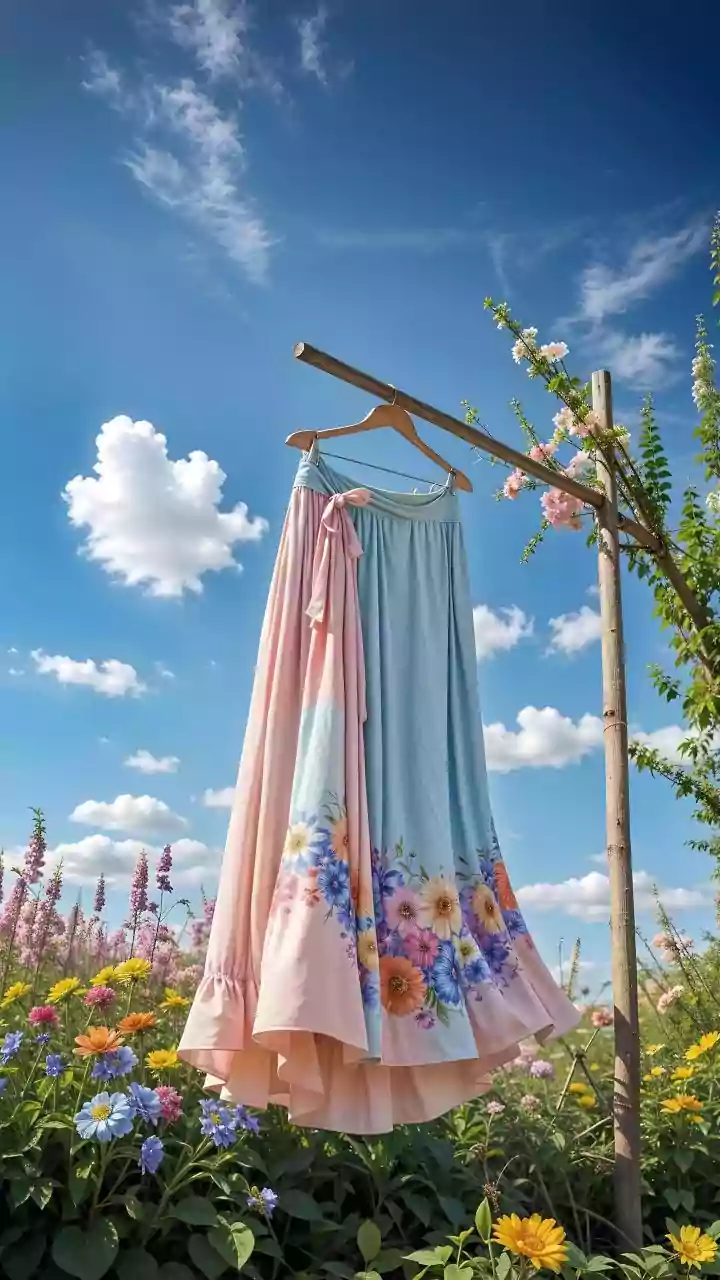
Within Aartivijay Gupta's creative universe, sustainable development is intrinsically linked to the timeless nature of her art-driven pieces. These garments are designed to be cherished and worn for years, embodying longevity over fleeting trends. Her initial foray into sustainability, marked by her debut at London, involved a significant partnership with the Aditya Birla group. For this collection, 30 percent of the fabric was meticulously crafted from recycled yarn Liva fabric. This commitment is not a one-off initiative; the brand is actively and progressively increasing the proportion of sustainable materials used in each subsequent collection, demonstrating a clear and consistent dedication to environmental responsibility in fashion.
Prints as Narrative
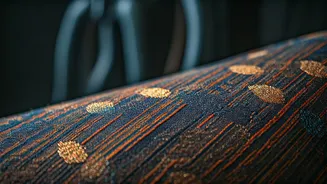
Aartivijay Gupta views prints not as superficial embellishments but as potent vehicles for storytelling. She believes that every heritage artwork possesses its own distinct language and vision, carrying within it a complete narrative penned by the artist. These stories often reflect their livelihood, personal experiences, or observed folk tales. Consequently, each printed piece becomes a timeless visual narrative, imbued with the very soul of the garment. Solid colors or structural designs, she argues, lack the profound historical depth, heritage, and artisanal intricacy that make these prints such powerful and effortless storytellers, adding a layer of cultural richness and personal connection.
The Future of Luxury
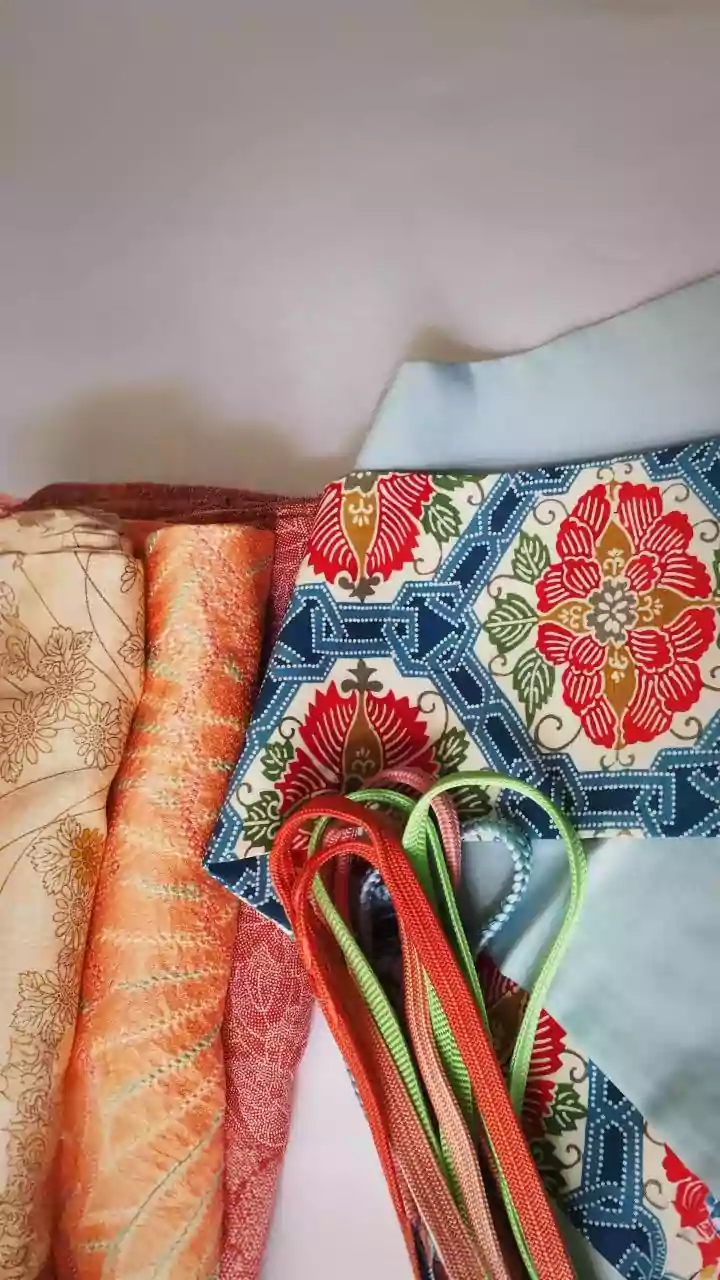
The future of Indian fashion, according to Gupta, lies urgently in 'old global artisanal'—a language that feels both urgent and effortless to her. She champions India's cultural heritage as the epitome of true luxury, citing hand silks, toosh, kalamkari, and hand-woven cottons as the authentic future of global luxury. In contrast, industrial production leads to the overconsumption characteristic of fast fashion and significant waste. Artisanal creation, however, fosters timeless, exclusive luxury. While local craftsmanship can satisfy the Indian clientele, a global reach amplifies employment opportunities and broadens impact. The appeal of the 'old' is deeply rooted in history, heritage, compelling storytelling, intricate craft, and soul, offering a depth and curiosity that newer, trend-driven fashion often lacks and has a consequently shorter shelf life.