

The Orange Peel Miracle
Orange peels are a treasure trove of skincare benefits, largely thanks to their rich Vitamin C content. This powerful antioxidant actively combats the damaging
effects of free radicals, molecules that accelerate cellular aging and lead to wrinkles. Beyond its protective capabilities, Vitamin C is instrumental in stimulating collagen production, a key protein that maintains skin's firmness and elasticity. Furthermore, natural compounds within orange peels possess mild bleaching properties, capable of reducing the appearance of dark spots and unifying skin tone. The presence of citric acid also aids in gentle exfoliation, sloughing off dead skin cells to reveal a smoother, more radiant complexion beneath. Crafting this serum at home offers an economical and eco-friendly alternative to commercial products, providing a natural way to achieve healthier-looking skin. It’s suitable for most skin types, but a preliminary patch test is always advised for those with sensitive skin to ensure no adverse reactions occur. Remember, this DIY remedy is for cosmetic purposes and should not replace professional dermatological advice.
Gathering Your Ingredients
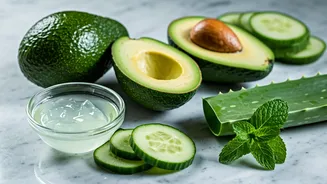
To begin your journey into crafting this homemade elixir, you'll need a few readily available components. Start with 2 to 3 organic oranges; opting for organic is crucial to steer clear of potentially harmful pesticides commonly found on conventional fruits. Next, procure 2 tablespoons of rose water, which offers a soothing and aromatic base; if unavailable, distilled water can serve as a functional substitute. Incorporate 1 tablespoon of pure aloe vera gel, which acts as a hydrating and calming foundation for the serum. For moisture-binding properties, add ½ teaspoon of vegetable glycerin, a humectant that draws hydration into your skin. Finally, enhance the antioxidant profile and extend the serum's shelf life with 2 Vitamin E capsules, squeezing their beneficial oil into the mix.
The Making Process
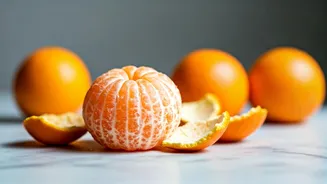
The creation of your revitalizing serum involves several distinct stages. First, thoroughly wash the organic oranges and carefully peel them, taking care to remove as much of the bitter white pith as possible, as this can affect the taste and texture of the final product. Spread the peels flat on a surface and allow them to dry completely; this can be achieved by sun-drying them over a few days or by using your oven on its lowest setting for one to two hours. Once dried, grind the peels into a very fine powder using a blender or food processor. It is essential to sift this powder through a fine sieve to eliminate any coarse particles, ensuring a smooth serum texture. Next, combine one tablespoon of this citrus powder with two tablespoons of rose water in a small bowl, covering it and letting it steep for 4 to 6 hours. This steeping period is vital for extracting the water-soluble Vitamin C. Strain the mixture through cheesecloth or a coffee filter, pressing to extract all the liquid and discarding the remaining solids. In a separate bowl, combine the infused orange liquid with your aloe vera gel and vegetable glycerin. Pierce the Vitamin E capsules and add their oil to the mixture. Whisk everything together vigorously until the aloe vera gel is fully integrated, resulting in a slightly cloudy, gel-like consistency.
Storage and Application
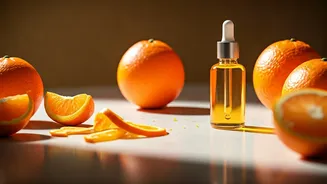
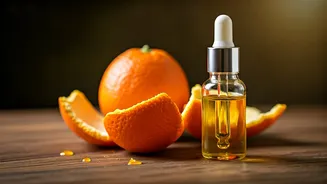
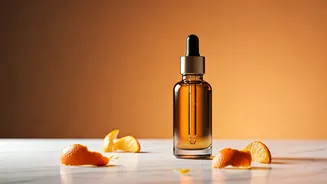
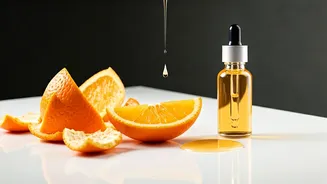
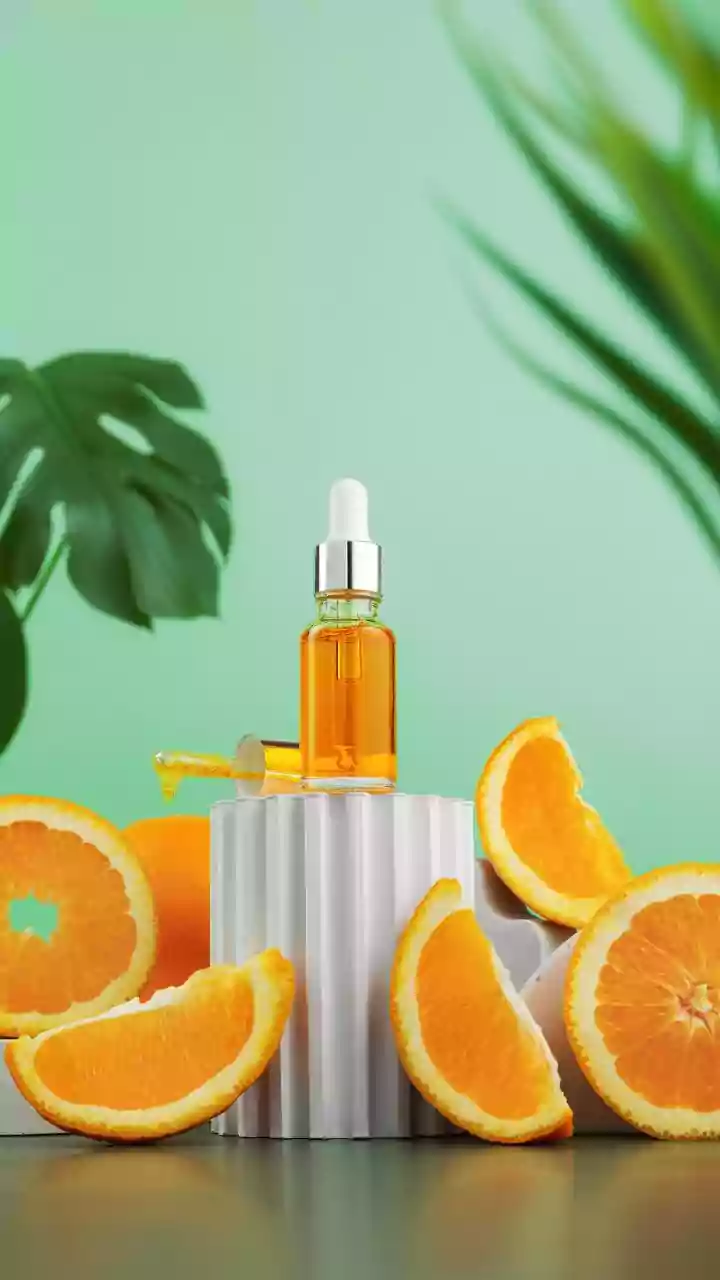
Proper storage and application are key to maximizing the benefits of your DIY anti-aging serum. Transfer the finished serum into a dark glass dropper bottle, such as amber or cobalt blue, to protect the delicate Vitamin C from light, which can quickly degrade its potency. Since this serum lacks chemical preservatives, it must be refrigerated to prevent the growth of mold and bacteria. To use, cleanse your face thoroughly and apply 3-4 drops of the serum, gently massaging it upwards onto your skin. Follow this with your preferred moisturizer. If applying in the morning, it is imperative to finish with a broad-spectrum sunscreen, as Vitamin C can increase photosensitivity, and sun exposure can rapidly diminish the serum's beneficial effects.
A Realistic Outlook
While the allure of DIY skincare is undeniable, it's important to maintain realistic expectations. The Vitamin C found in natural ingredients like orange peels is inherently unstable and prone to oxidation. If your serum begins to change color to a deep yellow or brown, or if it develops an unusual odor, it has oxidized and should be discarded immediately. For optimal results and to ensure freshness, prepare a new batch every 7 to 10 days. It's also worth noting that homemade water-based extracts may not penetrate the skin barrier as deeply as laboratory-formulated clinical serums; however, they provide a commendable surface-level brightening and hydration boost. As with any new skincare product, performing a patch test on your jawline 24 hours prior to full facial application is strongly recommended to check for any potential skin sensitivity.