Defining Personal Style
Developing a distinctive personal style is about more than just following trends; it is a journey of self-discovery. Begin by examining your preferences
– the colors you love, the cuts that feel comfortable, and the fabrics you find appealing. Consider the shapes that flatter your body type and how you want to present yourself to the world. Researching various style icons and fashion eras can also inspire you. Experiment with different aesthetics, from minimalist to bohemian, to discover what resonates with your personality. Ultimately, your personal style should reflect your authentic self, offering a visual narrative of who you are and what you value. Building a solid foundation involves curating pieces that you feel confident and comfortable in. This may involve investing in quality basics and experimenting with accessories to infuse individuality into your outfits. Embrace fashion as a playful process, allowing it to evolve along with your life experiences and changing tastes.
Decoding Current Trends
Staying abreast of current fashion trends does not mean you must blindly follow them. It means understanding what is happening in the fashion world and how you can adapt these trends to fit your personal style. Keep an eye on runway shows, fashion blogs, and social media platforms to identify emerging styles. Notice the colors, patterns, and silhouettes that are gaining popularity. Research how to wear each trend. For example, if oversized blazers are trending, try pairing them with slim-fit pants or a dress. If bright colors are in vogue, experiment with accent pieces or invest in a bold statement piece. Adaptability is key; incorporating trends that resonate with your personal style will help you stay current. Consider the longevity of trends before investing; some are fleeting, while others have staying power. Look for ways to blend current trends with timeless pieces from your existing wardrobe to create cohesive, stylish looks. Remember, the goal is to enhance your style, not to mimic everyone else.
Smart Shopping Strategies
Savvy shopping habits are essential to building a functional and fashionable wardrobe. Start by defining your needs. Identify gaps in your current collection and what pieces will add versatility. Prioritize quality over quantity; investing in well-made, durable items is often more rewarding than buying many cheap, disposable pieces. Look for classic staples that will endure the seasons. Consider the materials and the construction of the garments. Always check the fit, and understand your body type so you can select clothes that complement your shape. Explore different shopping venues; sometimes, thrift stores or consignment shops offer unique finds at lower prices. Take advantage of sales and promotions, but only buy items you truly need. Consider the cost-per-wear; a slightly more expensive item that you wear often can be a better investment than a cheap piece you rarely use. Avoid impulse purchases. Before buying, ask yourself if the item suits your lifestyle and if it works with other items in your wardrobe. This mindful approach ensures your purchases are practical and enhance your overall style.
Building Versatile Wardrobe
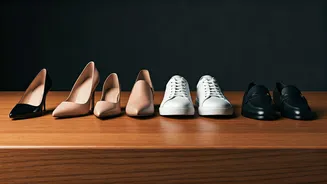
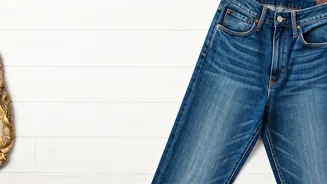
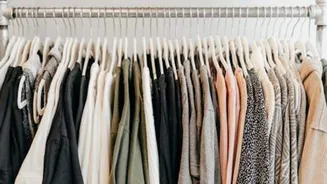
A versatile wardrobe provides options for various occasions, enhancing your personal style. Start with essential pieces, such as well-fitting jeans, neutral-colored tops, a classic blazer, and a versatile skirt or dress. These form the base of many outfits. Add items like a trench coat, a leather jacket, or a cardigan to vary your look. Focus on the color palette; neutral colors like black, white, gray, and navy provide versatility. Incorporate accent colors or patterns that express your personality. Choose adaptable footwear, like classic sneakers, comfortable boots, and stylish heels. Accessories, such as scarves, belts, and jewelry, are critical for adding personality and flair to any outfit. Consider your lifestyle when curating your wardrobe; ensure that it addresses all requirements, from work to leisure. Regularly evaluate and refine your wardrobe by removing pieces that no longer serve you and adding new items that enhance your style. A well-curated wardrobe offers endless opportunities for creativity and self-expression.
Fashion for Every Season
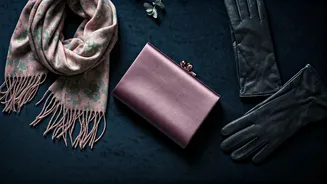
Each season presents distinct fashion considerations. In spring, embrace light fabrics and cheerful colors, layering pieces that accommodate fluctuating temperatures. Summer calls for breathable materials, such as cotton and linen, and lighter colors. Embrace dresses, shorts, and sandals. Autumn requires layering – think sweaters, jackets, and scarves in a warmer color palette. Boots and closed-toe shoes also become standard. Winter demands warm clothing, but there's no need to sacrifice style. Invest in a stylish coat, sweaters, and accessories such as hats, gloves, and scarves. Adapt your color palette to reflect the season; for instance, richer hues and darker tones work well in fall and winter. As the seasons change, adapt the texture of your clothes: opt for heavier fabrics for the cold months and lighter fabrics for the heat. Remember that accessories play a significant role. Experiment with seasonal patterns and prints to enhance the style and update your appearance.
Fashion Faux Pas to Avoid
Certain fashion mistakes can compromise a look, so it is important to be aware of them. One common mistake is wearing ill-fitting clothing. Clothes that are too tight or too loose detract from your appearance; ensure items fit correctly. Another error is over-accessorizing. Too many accessories can overwhelm an outfit. Keep your look balanced. Wearing the wrong shoes with an outfit can also throw off the balance of your look. Pay attention to proportions; ensure the shapes of the clothing complement your body. Failing to consider the occasion is another major mistake. Ensure that the clothes are appropriate for the event. Ignoring basic garment care, such as washing, ironing, or dry cleaning, can ruin the look of your clothes. Keeping your wardrobe in good condition is vital. Finally, neglecting your personal style is also a mistake; dressing in a way that does not reflect your personality will fail to convey your true self. Learn from these common errors to create more refined and attractive outfits.