



Crisp Khakhra Delights
Before pre-packaged biscuits, a thin, roasted flatbread from western India known as khakhra was a traveler's best friend. This creation, essentially a dried
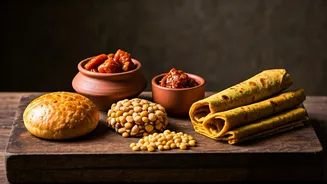
roti made from whole-wheat dough rolled exceptionally thin and baked until perfectly crisp, boasted an impressive resistance to moisture and damage. Families meticulously prepared these by layering them, often with a thin coating of ghee for enhanced flavor and preservation, and storing them in tin containers. Khakhra provided a satisfying option that could be enjoyed plain, with a touch of jaggery for sweetness, or accompanied by a tangy pickle. Its remarkable shelf life and lightweight nature made it the ideal choice for daytime travel, offering a delightful alternative when a hot meal wasn't feasible and complementing tea or coffee perfectly.
Sweet Thekua & Laddoos
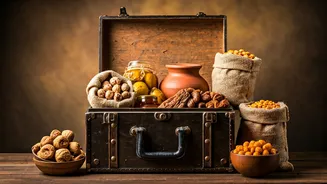
Across various regions of India, sweet, fried, or baked treats such as thekua—a robust cookie crafted from wheat and jaggery originating from Bihar—and an assortment of laddoos (made from besan, sesame seeds, or coconut) were indispensable travel companions. The high sugar or jaggery content inherently preserved these confections, while their dense and dry textures minimized the likelihood of them breaking apart during transit. Households would often prepare these items well in advance, carefully wrapping them in leaves or paper and incorporating ghee and toasted flours to reduce moisture content, effectively acting as an early form of food preservation. These provided an immediate source of energy, remained edible for several days, and often served as celebratory treats during journeys that coincided with important rituals or visits.
Sattu & Roasted Gram
For sustained protein intake during travels, sattu, a flour made from roasted gram, along with whole roasted chickpeas (chana) and peanuts, represented an ancient and effective solution. Sattu could be transported as a dry powder and conveniently mixed with water or buttermilk at various stops, creating a revitalizing beverage. Roasted chana and peanuts, requiring no additional preparation, offered a steady release of energy. In regions like central and eastern India, travelers would often carry small earthen pots filled with sattu, which could be blended with sour yogurt or jaggery to form a filling and cooling meal that was far more practical for travel than fresh pulses. These staples provided essential nutrients and sustained energy levels throughout the journey.
Puffed Rice Snacks
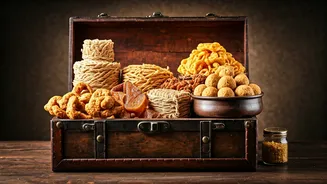
Murmura, or puffed rice, and its more elaborate spiced versions known as chivda, epitomized the concept of lightweight travel sustenance. Both home cooks and street vendors would prepare generous quantities, enhancing the puffed rice with ingredients such as peanuts, fried lentils, curry leaves, and a hint of lime or salt. A key advantage of chivda was its versatility; it could be adapted to local tastes and seasonal availability. Travelers could easily augment the mix with freshly available items like chopped onions, green chilies, or grated coconut, transforming a basic snack into a surprisingly satisfying meal. The aerated nature of puffed rice made it incredibly light yet voluminous, perfect for curbing hunger during long journeys, and it was forgiving enough that slight humidity would soften it without rapid spoilage, allowing for easy replenishment from a shared container.
Preserved Pickles & Chutneys
A small jar of pickle, or achar, possessed the remarkable ability to elevate even the most mundane staples into a delightful meal. Prepared using oil, salt, and acidic elements like vinegar or raw mango, pickles served a dual purpose as both a potent flavoring agent and a preservative. Similarly, fruit and vegetable preserves, typically encased in oil or thick sugar syrups, demonstrated excellent resilience to heat and extended travel periods. These compact, flavorful additions were invaluable for masking the slight staleness that could develop in breads or rice when access to hot, freshly cooked meals was impossible, ensuring a more palatable dining experience on the go.
Sun-Dried Fruit Treats
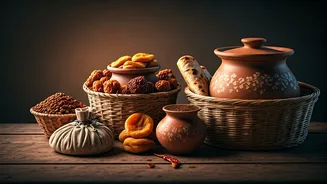
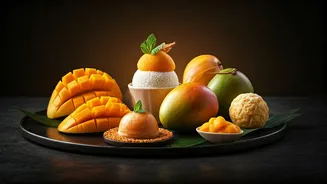
Aam papad, a dried mango fruit leather, and other forms of preserved fruits offered concentrated sweetness and energy in easily transportable sheets. By removing moisture, these sun-dried delights prevented spoilage while concentrating natural sugars, providing an instant energy boost. This method of preservation was particularly effective during peak harvest seasons when fruits were abundant and sunlight reliable. The slow drying process not only extended the shelf life of these fruits but also intensified their flavors, transforming seasonal produce into compact, travel-ready nutritional powerhouses. Often wrapped in waxed paper or banana leaves and stowed securely in the center of luggage to maintain dryness, these sweet and tangy treats provided a welcome contrast to savory travel foods.