






Mumbai's Erstwhile Gateway
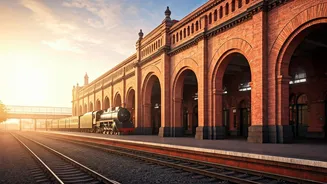
Byculla Railway Station, a foundational piece of India's railway narrative, commenced operations in 1853. This Mumbai-based station was integral to the
very first passenger train journey between Mumbai and Thane, marking a monumental shift in Indian transportation. Even today, Byculla station proudly displays architectural elements from its colonial past and continues to serve as a significant hub on the bustling Mumbai Suburban Railway, connecting countless commuters daily and standing as a living relic of that transformative era.
Kolkata's Eastern Portal
Howrah Junction, established in 1854, is more than just a station; it's a vital artery for eastern India. Located in Kolkata, it has historically served as the primary gateway for travellers heading into or out of the eastern part of the country. Over the decades, it has grown into one of India's busiest railway terminuses, a testament to its enduring importance in facilitating trade and movement across vast distances. Its sheer scale and continuous activity underscore its pivotal role in the nation's railway network since its inception.
Prayagraj's Ancient Link
Allahabad Junction, now known as Prayagraj, dates back to 1859 and was a critical junction on the early railway lines connecting northern and eastern India. Its strategic location made it an indispensable stop for travellers and goods, fostering connectivity between diverse regions during a formative period of Indian infrastructure development. The station's continued operation highlights its historical significance and its persistent role in the country's extensive rail network, witnessing generations of journeys.
Kanpur's Industrial Hub
Kanpur Central Railway Station, opened in 1859, emerged as a crucial linchpin in northern India's burgeoning railway system during the British Raj. It played a pivotal role in establishing vital connections between key industrial centers and important military garrisons. The station's existence facilitated the movement of resources and personnel, contributing significantly to the economic and strategic development of the region. Its enduring presence signifies its foundational importance in shaping north India's transportation landscape.
Chennai's Southern Pioneer
Royapuram Railway Station, inaugurated in 1856, holds the distinction of being the oldest surviving railway station in India. Situated in Chennai, this heritage site offers a direct glimpse into the early days of railway expansion in South India. Its architecture is a distinct reflection of the colonial era, showcasing the foundational styles that defined early railway infrastructure. Royapuram station stands as a tangible link to the past, preserving the memory of the dawn of the railway age in the southern subcontinent.
Mumbai's Gothic Masterpiece
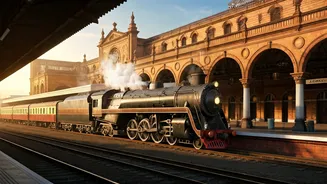
Chhatrapati Shivaji Maharaj Terminus, formerly Victoria Terminus, is a UNESCO World Heritage Site in Mumbai, built in 1887. This magnificent station is renowned for its breathtaking Victorian Gothic architectural style, making it one of India's most iconic and globally recognized railway landmarks. It is not merely a transit point but a symbol of grand historical architecture and a testament to the engineering prowess of its time, drawing admiration and attention from visitors worldwide.