






Movement Over Metrics
The prevailing fitness advice of hitting 10,000 steps daily is being re-evaluated by medical professionals. Instead of focusing on a rigid numerical target,
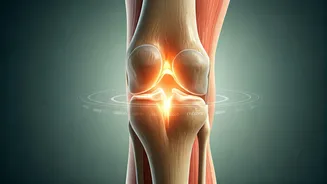
experts emphasize the importance of mindful movement tailored to individual bodies. For those new to regular physical activity, commencing with a more manageable range, perhaps between 3,000 to 4,000 steps, and incrementally increasing the distance over weeks is a recommended strategy. Crucial attention must also be paid to footwear; opting for shoes with adequate support can significantly cushion the impact on joints, unlike flimsy sandals or worn-out trainers. The terrain chosen for walking also plays a vital role, with softer surfaces like park trails being less taxing on the knees than hard, unyielding concrete. Furthermore, breaking longer walks into shorter, more frequent sessions throughout the day can be gentler on the body than a single, prolonged outing. Complementing walking with strength training is equally significant, as robust leg and core muscles act as natural shock absorbers, providing essential support to the knees and hips. Without this muscular foundation, walking alone may not offer complete joint protection.
Women's Unique Needs
Women's bodies undergo distinct hormonal and physiological changes throughout their lives, which can subtly impact joint stability and resilience. Conditions such as pregnancy, the postpartum period, and menopause, influenced by fluctuating hormone levels, can affect ligament laxity and overall joint comfort. For instance, during pregnancy, the hormone relaxin plays a crucial role in preparing the body for childbirth by increasing ligament flexibility, which can, in turn, lead to increased instability in the pelvic and knee areas. Even nutritional deficiencies, like severe iron deficiency, can influence energy levels and joint well-being. Consequently, a one-size-fits-all step goal is often inappropriate. A woman recuperating after childbirth, for example, might find that shorter, interspersed walks combined with ample rest are far more beneficial than aiming for extensive distances. Treating step counts as a competitive endeavor can be detrimental, overlooking the diverse and evolving needs of women's bodies.
Debunking the 10K Myth
The widespread adoption of the 10,000-step target as a universal fitness benchmark has been widely promoted, often celebrated by wearable technology. However, medical experts are now urging a shift away from this standardized approach, asserting that the human body is not a uniform machine. Dr. Akhilesh Rathi highlights that the notion of everyone needing 10,000 steps is largely a myth. While walking is an exceptionally safe and effective exercise, the optimal amount is highly individual, depending on one's physical condition, joint health, and general fitness levels. Research indicates that even as few as 4,000 steps daily can contribute to a reduced risk of premature mortality, with benefits increasing progressively with higher activity levels. The critical issue arises when individuals push their bodies to meet a target they are not adequately prepared for, potentially leading to undue stress on their joints and lower back.
Listen to Your Body
When individuals transition abruptly from a sedentary lifestyle to a rigorous 10,000-step regimen, they risk overloading their knees, ankles, and lower back. This risk is amplified for those with pre-existing conditions such as obesity, arthritis, flat feet, past ligament injuries, or underdeveloped muscles. Dr. Rathi cautions against 'overuse,' emphasizing that a sudden jump in activity can cause significant strain. Many often overlook subtle bodily signals; persistent heel pain upon waking, knee swelling, stiffness when ascending stairs, or nighttime hip aches are not indicators of progress but rather urgent calls for recovery. The U.S. Centers for Disease Control and Prevention (CDC) consistently advocates for gradual, sustainable physical activity over extreme exercise patterns. Ultimately, the focus should be on the qualitative aspects of movement rather than solely on the quantitative data displayed on a fitness tracker.
Sustainable Well-being
Modern fitness culture often frames health as a series of quantifiable metrics – calories burned, steps taken, heart rate zones. This can distract from the fundamental purpose of exercise: to enhance overall well-being and improve functional capacity. The reality is that while some individuals may feel optimal at 10,000 steps, others might thrive at 6,000, and for an older adult managing arthritis, achieving 3,500 pain-free steps can be a significant and valuable accomplishment. Dr. Rathi wisely advises, 'Your step count should work for your body, not against it. The goal is to stay active without causing harm.' Ultimately, walking should be an enjoyable and sustainable practice, not a punitive task dictated by technology. Cultivating healthy joints is a gradual process, built through consistent, comfortable movement over time.
The Joy of Walking
Walking continues to be celebrated as one of the most accessible and beneficial forms of physical activity. Unlike high-impact workouts that place sudden stress on the musculoskeletal system, walking provides a gentle, rhythmic motion that promotes joint lubrication and maintains cartilage health. Dr. Rathi elaborates that regular walking not only aids joint function but also strengthens the surrounding musculature, thereby reducing long-term stress on the joints. This is particularly advantageous for individuals who spend extensive periods seated, such as office workers, drivers, students, and the elderly, who often experience joint stiffness due to prolonged inactivity. A moderate walking routine enhances circulation and helps keep the muscles supporting the knees and hips robust. Beyond its physical advantages, walking offers significant mental health benefits, serving as an effective way to de-stress, improve sleep patterns, and provide a much-needed respite from screen time.