


Dandruff: More Than Dirt
Many people mistakenly believe dandruff is solely a consequence of not washing their hair enough. However, experts clarify that while hygiene is important
for general scalp care, it's not the primary driver of dandruff. Recent findings highlight that dandruff is actually rooted in a disruption of the scalp's natural barrier, significantly influenced by a common yeast called Malassezia globosa. This microbial imbalance, coupled with an inflammatory response, is the real culprit. Even those who maintain a rigorous washing routine can experience bothersome flakes and itching, underscoring that the issue runs deeper than surface cleanliness. To truly combat dandruff, one must understand the intricate biological processes occurring at the scalp level.
The Role of Microbes
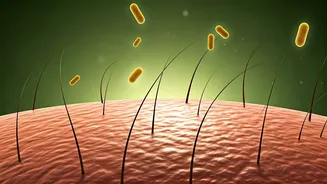
The primary instigator of dandruff is often an overabundance of Malassezia globosa, a type of yeast that naturally resides on everyone's scalp. This microorganism typically coexists peacefully, but certain environmental and personal factors can encourage its rapid proliferation. Increased oil production on the scalp, profuse sweating, humid atmospheric conditions, exposure to pollutants, heightened stress levels, and inconsistent hair washing practices can all create an environment where Malassezia thrives. As this yeast consumes the scalp's natural oils, known as sebum, it produces by-products that act as irritants. This irritation triggers inflammation and accelerates the shedding of skin cells, leading to the characteristic flakes associated with dandruff.
Decoding Shampoo Ingredients
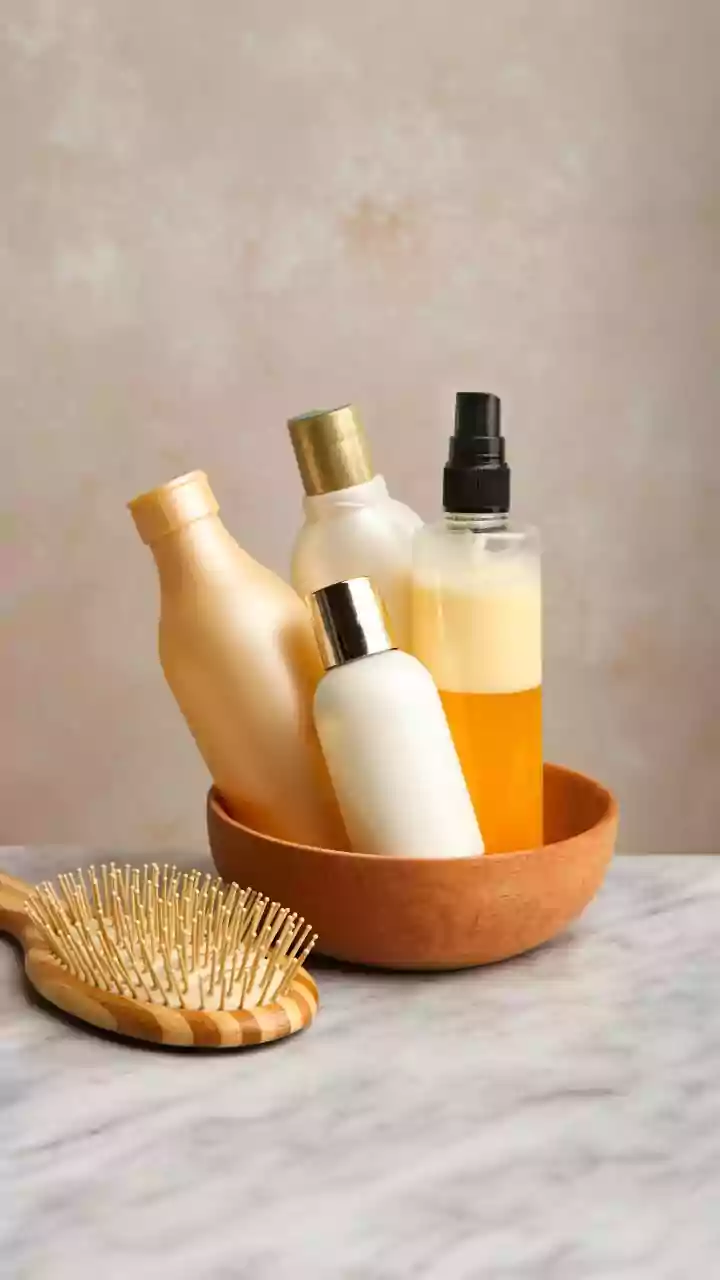
A common but often ineffective approach to dandruff is focusing solely on shampoos that promise immediate flake removal. While these products might offer temporary relief by physically removing visible flakes or slowing down skin cell turnover, they often fail to address the underlying fungal cause. This means that as soon as you stop using such shampoos, the flakes are likely to return because the root of the problem hasn't been resolved. Understanding the active ingredients in your anti-dandruff shampoo is crucial. Some ingredients focus on exfoliation or reducing skin cell shedding, which are symptomatic treatments. True effectiveness comes from ingredients that actively target the microbial imbalance, specifically the overgrowth of Malassezia, to restore a healthy scalp environment and prevent recurrence.
Targeting the Root Cause
To effectively manage dandruff, it's essential to choose treatments that directly confront the overgrowth of Malassezia, rather than merely masking the symptoms. One such clinically validated ingredient is Piroctone Olamine. This antifungal compound works by inhibiting the growth and activity of Malassezia, thereby helping to control its proliferation on the scalp. By reducing fungal activity, Piroctone Olamine helps to alleviate scalp irritation and re-establish a balanced scalp environment. Its formulation is designed to be gentle enough for regular use, making it a suitable component of a consistent scalp care routine. Studies have shown Piroctone Olamine to possess significant antifungal properties against Malassezia species, leading to a sustained decrease in dandruff severity when compared to non-antifungal treatments, reinforcing its efficacy in addressing the core issue.
Holistic Scalp Care
Beyond selecting the right shampoo, adopting healthy scalp habits is instrumental in maintaining a balanced and flake-free head of hair. It's advisable to wash your scalp regularly, especially after periods of intense physical activity that lead to sweating, to prevent the accumulation of excess oil and environmental residues. Ensuring that items like helmets and hair accessories are kept clean can also contribute to a healthier scalp environment. Avoiding prolonged exposure of the scalp to moisture and actively managing stress are further beneficial practices. By integrating these habits with targeted product use, individuals can effectively manage dandruff and promote overall scalp well-being, ensuring a healthier, more comfortable scalp.