



The Arrangement Illusion
Many homeowners believe clutter stems from having too many possessions. However, the real culprit is often the way items are distributed across surfaces.
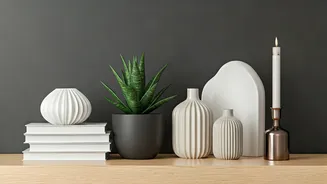
When small objects like books, candles, or mementos are scattered individually throughout a room, they create what designers term 'visual noise.' This lack of cohesion prevents the eye from finding a resting point, leading to a sensation of busyness. Instead of appreciating a thoughtfully decorated space, the gaze is constantly pulled from one unrelated object to another. The key takeaway is that it's not the number of items but their arrangement that dictates perceived tidiness. Grouping ten scattered items into three intentional clusters can instantly make the same collection feel curated and calm, proving that structure, not subtraction, is often the solution.
Beyond the Big Items
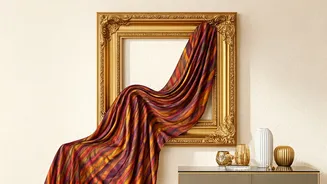
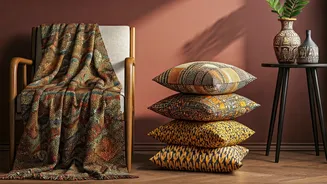
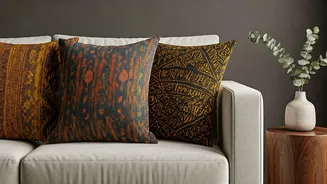
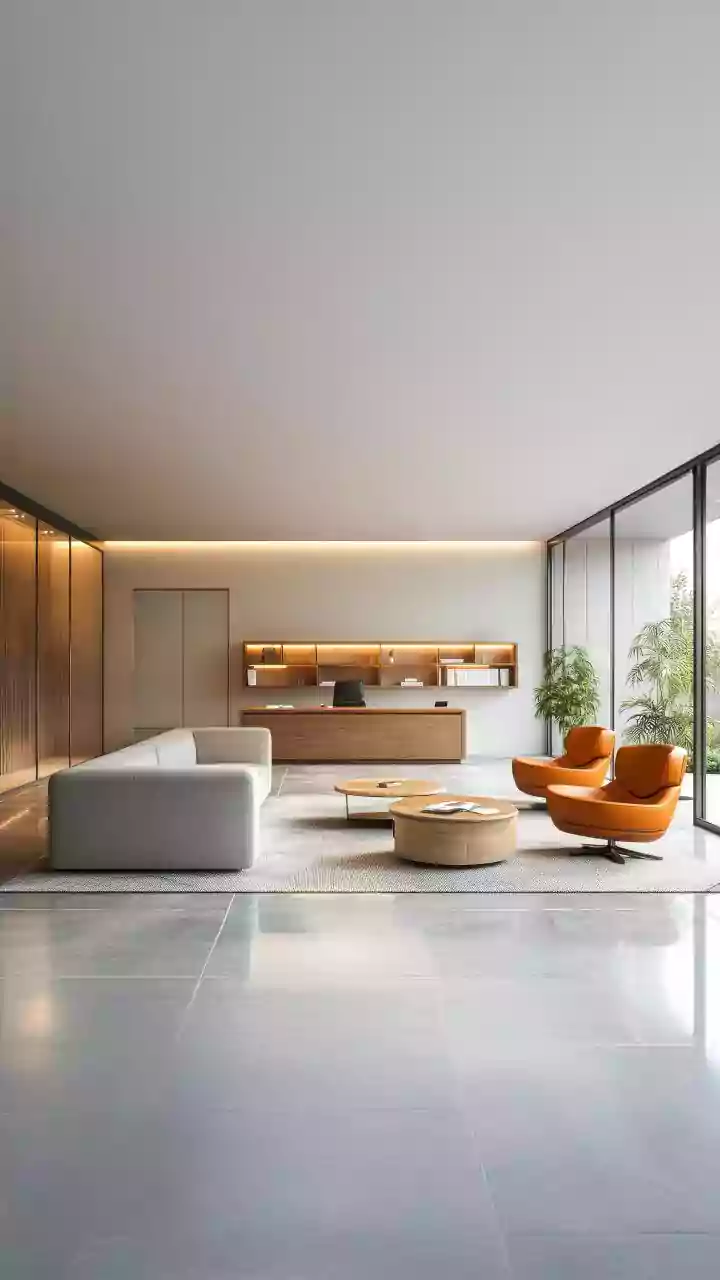
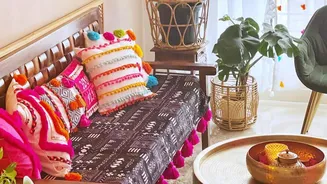
While large furniture pieces seldom contribute to a feeling of clutter, it's the accumulation of smaller, everyday items that truly fills a space. Think about the small objects that tend to gather: remote controls left on tables, an assortment of cushions with varying patterns, or numerous small decorative pieces adorning every available ledge. Even wall decor, when not thoughtfully placed, can contribute to visual overwhelm; an unevenly spaced collection of picture frames can make a wall appear chaotic rather than expressive. A common tendency is to 'fill every gap,' believing an empty space looks unfinished. However, it's crucial to recognize that unoccupied areas are not wasted. They serve as vital 'breathing room' for the eyes and the overall aesthetic of the home.
The Power of Patterns
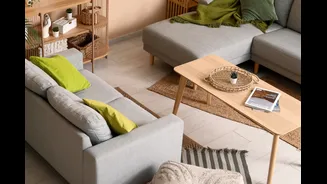
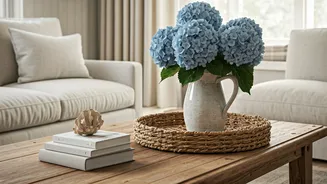
Our brains are naturally wired to seek and process patterns. When objects are arranged in groups, our minds perceive them as single units, significantly reducing the feeling of disarray. Consider a coffee table: a single tray holding a candle, a book, and a small plant creates a neat, intentional focal point. The same items, if dispersed across the table's surface, would appear messy. The transformation is purely a result of structured arrangement. Interior designers often employ the 'rule of three,' an odd number grouping that tends to look more organic and less staged. The underlying principle, however, is about creating balance and visual relationships between objects. When items have a connection, they cease to compete for attention, fostering a more harmonious environment.
Strategic Grouping Techniques
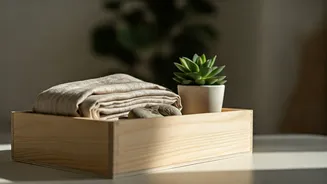
The most effective approach to taming clutter isn't necessarily about discarding possessions, but rather about refining and grouping them. Begin by completely clearing a single surface to create a blank canvas. Then, reintroduce items by arranging them in cohesive clusters. Employ tools like trays, decorative baskets, or even stacks of books to define these groupings and give objects a sense of belonging. Deliberately leaving some areas empty is also essential; this negative space provides visual contrast and allows the eye to rest. If everything is emphasized, nothing truly stands out. Furthermore, incorporating repetitive elements – such as similar colors, textures, or materials – helps to tie disparate objects together and establish a calming rhythm throughout the room, enhancing its overall sense of peace.