







A Spice Legacy
Zanzibar, an archipelago off Tanzania's coast, is renowned for its deep-rooted connection to spices, a legacy that shaped its history and identity. Historically,
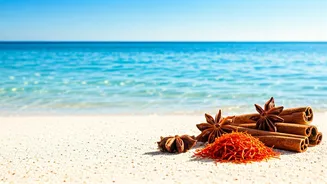
the island was a powerhouse in the global spice trade, particularly for cloves, at one point supplying the majority of the world's supply. This rich past is still palpable today, as visitors can wander through active spice farms. These farms offer a sensory journey, allowing one to experience the aromas and textures of ingredients like cloves, vanilla, and nutmeg, which were once so coveted. This experience provides a tangible link to Zanzibar's era as a commercially vital and sought-after land in the Indian Ocean, demonstrating how spice cultivation has been integral to the island's heritage and economy for centuries.
Azure Waters Unveiled
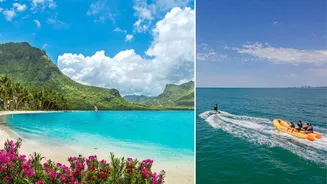
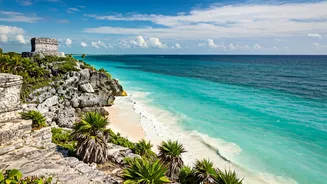
The waters surrounding Zanzibar are a spectacle of color, shifting from deep jade to brilliant sapphire and soft aquamarine, a transformation dictated by the dramatic ebb and flow of the tides. During low tide, the ocean recedes significantly, revealing expansive sandbanks that locals traverse to engage in traditional fishing. As the tide rises, these same areas become ideal spots for snorkeling. The coral reefs near Mnemba Atoll are exceptionally biodiverse, teeming with a vibrant array of marine life, including colorful reef fish, graceful sea turtles, and playful dolphins. This underwater world is one of East Africa's richest marine ecosystems, offering unforgettable experiences for nature enthusiasts.
Stone Town's Heritage
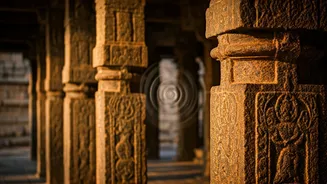
Stone Town, a UNESCO World Heritage site, is not merely a historical monument but a living, breathing city shaped by its merchant past. Its intricate network of narrow lanes was meticulously planned by Arab, Indian, and Swahili traders. These influential figures constructed inward-facing mansions, each distinguished by elaborately carved wooden doors that served as symbols of their status and prosperity. Across Stone Town, visitors can admire over 50 unique door styles. Some are embellished with brass spikes, a design element inspired by Indian architecture, while others bear intricate Quranic inscriptions, reflecting the rich cultural confluence that defines the city.
Cultural Melting Pot
Zanzibar stands as a testament to the confluence of numerous civilizations, with influences from Persians, Omanis, Portuguese, Indians, and the British leaving indelible marks on its architecture, cuisine, and language. This historical intermingling has given rise to the distinctive Swahili culture, a truly syncretic civilization that has masterfully blended these diverse elements into something entirely original. The local language, Kiswahili, exemplifies this fusion, incorporating numerous Arabic loanwords seamlessly within a Bantu grammatical framework. This linguistic structure serves as a living monument to centuries of extensive cultural and trade exchanges that have shaped the island.
Forodhani's Night Market
As dusk settles, Forodhani Gardens, situated along the waterfront, transforms into one of Africa's most atmospheric street food markets. Local vendors offer a tantalizing array of culinary delights, including the unique Zanzibar 'pizza'—a stuffed flatbread—freshly grilled octopus, refreshing sugarcane juice, and uroj o, a distinctive tamarind-laced soup found only on the island. Dining at this vibrant market is an immersive experience, allowing visitors to participate in a cherished nightly community ritual that has been a cornerstone of island life for generations, offering a taste of local culture and tradition.
Turtle Sanctuary Haven
Zanzibar is a crucial sanctuary for sea turtles, located along an ancient marine migration route. Historically, sea turtles were hunted by local fishing communities; however, a significant cultural shift has led to these communities becoming their most ardent protectors. This evolution from exploitation to conservation was driven by a growing sense of pride in the island's marine heritage and a recognition of the economic benefits derived from eco-tourism. Beaches like Kendwa and Nungwi are near natural tidal pools where green and hawksbill sea turtles are carefully rehabilitated before their release back into the ocean, highlighting Zanzibar's commitment to marine conservation.