








The Mumbai Incident
A distressing event in Mumbai's Pydhonie area has caused considerable alarm, following the reported deaths of four members of the Dokadia family. Their
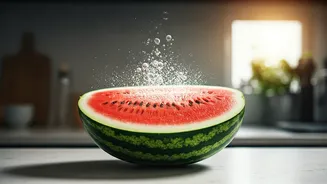
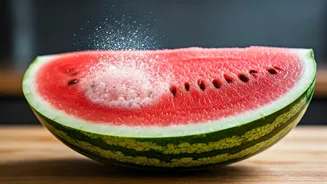
demise, which occurred after consuming watermelon late at night, has instilled a sense of fear and suspicion around this common summer fruit. Amidst this growing apprehension, a video began circulating online showing a cut watermelon exhibiting fizzing and bubbling. This clip, shared by Marathi actor Shashank Ketkar and a political leader, quickly amplified concerns on social media, leading many to question the safety of the watermelons they had been enjoying throughout the season. The visual evidence in the video seemed to confirm the worst fears of many, suggesting a hidden danger within the seemingly innocent fruit.
Understanding Fizzing Watermelons
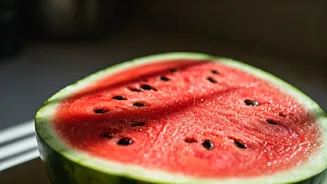
Contrary to the alarming implications suggested by recent viral videos, the fizzing and bubbling observed in cut watermelons are, in most instances, a result of natural fermentation rather than chemical contamination. This process occurs when bacteria or yeasts interact with the natural sugars present in the fruit, leading to the production of carbon dioxide gas. This same gas is responsible for the effervescence found in carbonated beverages. As the fruit remains intact, the gas accumulates internally, manifesting as bubbles or foam upon cutting. The warm climate prevalent in India significantly accelerates this fermentation process, as does the extended transit time watermelons often undergo before reaching consumers, particularly if they are not kept at appropriate temperatures. Therefore, a fizzy appearance is typically an indicator of an overripe or early-stage spoilage rather than deliberate tampering.
Debunking Chemical Myths
The notion of watermelons being injected with chemicals surfaces recurrently, often fueled by fear and misinformation. However, food safety experts consistently state that there is a lack of concrete evidence to support claims of widespread chemical adulteration of watermelons. The visual cues that might lead one to suspect tampering, such as unusual textures or the aforementioned fizzing, are far more likely to be signs of the fruit being overripe or beginning to decay naturally. These natural processes, driven by temperature and time, are the primary culprits behind watermelons exhibiting concerning characteristics. The panic surrounding chemical injections appears to be largely unfounded, with the more mundane reality of natural spoilage being the actual concern for consumers.
Selecting the Best Watermelon
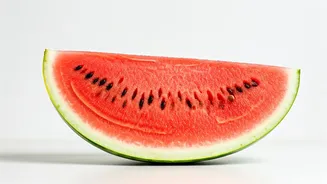
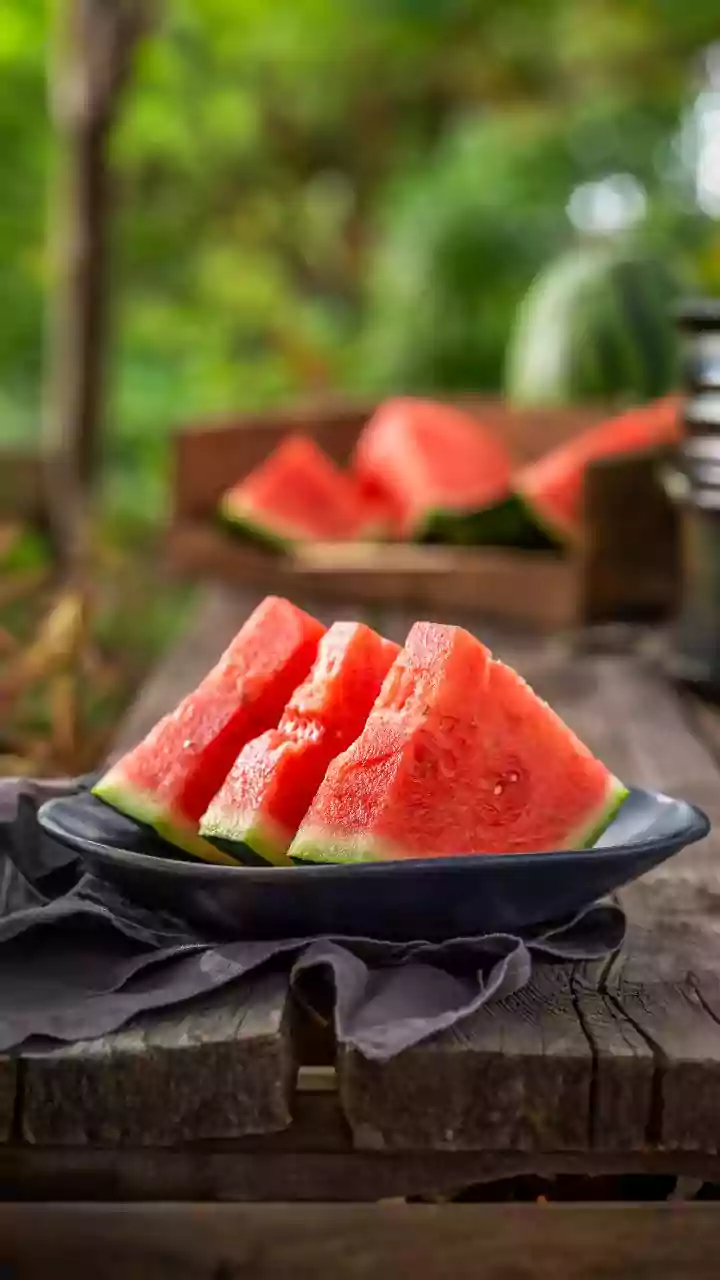
Navigating the market to find a ripe and safe watermelon can be made easier with a few key observations. Look for a prominent creamy yellow patch on the underside of the fruit; this indicates that the watermelon ripened sufficiently while resting on the ground. A pale or white spot may suggest it was harvested before reaching peak ripeness. When comparing two watermelons of similar size, opt for the one that feels heavier, as this usually signifies greater juice content. Gently tapping the watermelon can also provide clues; a deep, hollow sound is generally a positive indicator of ripeness and good quality. By paying attention to these visual and tactile cues, consumers can improve their chances of selecting a delicious and safe watermelon.
Trust Your Senses
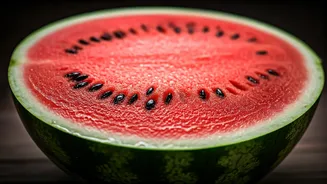
Once a watermelon is cut open, your senses become your most reliable guide to its freshness. Pay close attention to its aroma; any unusual smells, such as sourness or an alcoholic scent, are strong warnings that the fruit is past its prime. The texture is another critical indicator. If the flesh appears mushy, sticky, or excessively foamy, it’s a clear sign of spoilage. While a slight fizz might be due to natural fermentation, if you observe significant bubbling or foam, it is advisable to discard the fruit to avoid potential health risks. Prioritizing your sensory evaluation is a crucial step in ensuring you don't consume a spoiled watermelon.
Ongoing Investigations
It is crucial to note that the precise cause of the tragic deaths in the Mumbai incident remains under investigation, and early indications suggest that spoiled fruit may not be the sole or direct factor. Authorities are actively looking into the circumstances surrounding the event, and further details are anticipated as the investigation progresses. Until definitive conclusions are reached, it is important for the public to refrain from succumbing to panic. While exercising caution when purchasing and consuming fruits is always prudent, jumping to conclusions based on preliminary information or viral videos can be misleading. Remaining informed and awaiting official findings is the most responsible approach.