






Almond Oil Origins
The term 'almond oil' can sometimes be ambiguous, leading to confusion when selecting a product for your hair. Fundamentally, almond oil is derived from
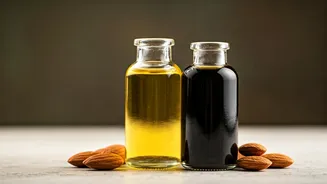
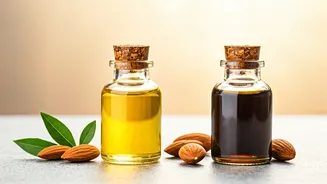
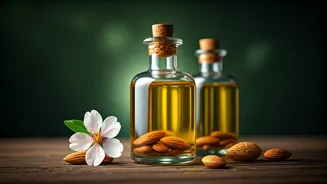
two distinct types of almonds: sweet almonds and bitter almonds. When a product is explicitly labeled 'sweet almond oil,' it signifies that the oil has been extracted from the familiar, edible sweet almonds, which are recognized for their safety and widespread use in beauty and wellness practices. Conversely, when a label simply states 'almond oil,' it typically refers to sweet almond oil, but this is not always the case, and this ambiguity is precisely where the misunderstanding arises. This distinction is crucial, especially when considering the oil's application on the scalp and hair for therapeutic or cosmetic benefits. Understanding the source of the oil is the first step in making an informed choice for hair care.
Safety and Suitability
When it comes to applying oil to your scalp and hair, safety is paramount, and this is where sweet almond oil unequivocally shines. Sweet almond oil is renowned for its gentle nature, making it a highly suitable choice for regular use on hair, skin, and even in infant care products. Its composition is mild and beneficial. In stark contrast, bitter almond oil contains specific chemical compounds that, if not meticulously processed and handled, can pose potential risks. Consequently, bitter almond oil finds its primary applications in the fragrance industry or in very specialized contexts, making it entirely inappropriate for direct application to the scalp. Therefore, for any consistent hair care regimen, selecting sweet almond oil is a straightforward and safe decision, free from any reservations.
Texture and Absorption
The sensory experience of using an oil on your hair can significantly impact its desirability and effectiveness. Sweet almond oil boasts a notably light consistency. It is neither excessively sticky nor does it feel heavy on the hair, and it typically carries a subtle, pleasant nutty aroma. A significant advantage of sweet almond oil is its excellent absorbency; it readily penetrates the scalp. This characteristic is particularly valuable in climates like India's, where heavier, greasier oils can feel uncomfortable and burdensome. In contrast, some generic 'almond oils' available in the market might feel thicker or leave a pronounced greasy residue. This often occurs when these products are either diluted with other oils or lack the purity of single-source sweet almond oil, diminishing the desired light and effective feel.
Nutrient Profile for Hair
Sweet almond oil is a veritable treasure trove of nutrients that directly contribute to the health and vitality of your hair. It is rich in Vitamin E, a potent antioxidant that plays a vital role in maintaining a healthy scalp environment. Additionally, it contains beneficial healthy fats that are instrumental in combating dryness and keeping the hair moisturized. The presence of magnesium in sweet almond oil is also noteworthy, as it has been observed in some instances to aid in reducing hair fall. When these components work in synergy, they collectively foster stronger, softer hair that is more resilient and less susceptible to damage. Bitter almond oil, on the other hand, does not offer these same hair-nourishing benefits in a manner that is safe for routine application, thus disqualifying it from consideration in a hair care context.
Impact on Hair Growth
It's important to approach the concept of hair growth with realistic expectations; no single oil can miraculously induce overnight hair growth. True hair growth is a complex process influenced by a multitude of factors, including genetics, diet, hormonal balance, and overall physical health. While oil alone cannot alter these fundamental determinants, sweet almond oil can significantly contribute to creating an optimal environment for hair to thrive and grow better over time. By smoothing the hair shaft, imparting essential moisture, and reducing split ends, it minimizes breakage. This reduction in breakage, while not accelerating growth speed, leads to hair that retains length and appears healthier. Furthermore, the massaging action associated with applying oil enhances scalp blood circulation, alleviates dryness, and maintains a balanced scalp condition, all of which are crucial for robust hair growth.
Achieving Softer Hair
One of the most immediate and noticeable benefits of incorporating sweet almond oil into your hair care routine is the significant improvement in hair texture and appearance. Your hair will feel considerably softer to the touch, exhibit a healthy sheen, and become far more manageable. While these effects might seem superficial, they collectively contribute to a more polished and well-maintained look. This enhanced softness and shine are direct results of the moisturizing and conditioning properties of the oil, which help to smooth the hair cuticle. Over time, these improvements lead to hair that is not only aesthetically pleasing but also more resilient and less prone to damage from styling or environmental factors, making it a worthwhile addition to your beauty regimen.
Selecting and Using Oil
For your hair care needs, the clear choice is sweet almond oil, ideally in its cold-pressed form. This guarantees purity and maximum nutrient retention. It's safe, effective, and perfectly suited for consistent use. When examining product labels, if it simply says 'almond oil,' take a moment to verify that it is indeed derived from sweet almonds. For application, a straightforward approach is best. The classic 'champi' or scalp massage, using a small amount of slightly warmed oil massaged into the scalp for 5–10 minutes, is highly recommended. Leaving it on for an hour or overnight before washing off, a couple of times weekly, yields excellent results. Alternatively, you can blend it with other oils like coconut for added hydration or castor oil for a richer texture, a practice common in many Indian households. For a quick fix, a tiny drop or two applied to hair ends can tame frizz and dryness without making the hair look greasy.
Common Pitfalls to Avoid
When integrating any new product into your beauty routine, it's helpful to be aware of potential missteps that can hinder optimal results. A common error is the overuse of oil; applying too much can make hair difficult to wash out and may leave it feeling heavy. It's also crucial to cultivate patience, as expecting instantaneous transformations is unrealistic; hair health is a gradual process. Furthermore, remember that topical treatments are only one piece of the puzzle; neglecting your diet means overlooking a fundamental aspect of internal hair health. Lastly, always prioritize quality. Purchasing low-grade or impure oil can mean missing out on the genuine benefits and potentially introducing unwanted substances. Consistently choosing high-quality, pure sweet almond oil is key to experiencing its full advantages.
Is It Worth It?
The value of incorporating sweet almond oil into your hair care routine is significant, provided your expectations are grounded in reality. It stands out as a simple, accessible, and genuinely beneficial product for enhancing hair texture, strength, and manageability. While it's not a panacea for hair loss or a solution for rapid growth, its consistent use undeniably leads to healthier-feeling and more resilient hair. The primary takeaway when faced with the choice between 'almond oil' and 'sweet almond oil' is straightforward: opt for sweet almond oil for all your regular hair treatments. Bitter almond oil should be exclusively avoided for scalp applications. By adhering to the correct type of oil, applying it consistently, and complementing your regimen with a balanced diet and fundamental hair care practices, you invest in long-term hair well-being. Ultimately, achieving beautiful hair is less about a single miraculous product and more about cultivating sustainable, beneficial habits over time.