







The Hidden '69'
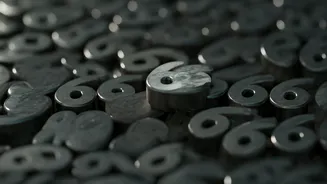
Imagine a vast grid filled with the number '66', creating a seemingly uniform pattern. However, nestled within this orderly arrangement is a single, elusive
'69', subtly breaking the monotony. This cleverly designed brain teaser aims to engage perceptive minds, particularly younger learners, by promoting keen observation and nurturing the virtue of patience. It encourages individuals to look beyond the initial, obvious repetition and to search for the slightest deviation from the established norm. The grid's consistent appearance of '66' can be quite mesmerizing, but the presence of that one different number invites a deeper, more focused examination, transforming a simple visual task into a delightful mental exercise.
Why Puzzles Appeal
Children are naturally drawn to patterns, finding comfort and predictability in repeating shapes and numbers. When a minor alteration occurs within these familiar structures, it ignites a powerful sense of curiosity. Puzzles like this offer more than just entertainment; they actively cultivate focus and patience, while subtly teaching a valuable life lesson: that appearances can be deceiving and careful examination is crucial. Parents often observe a shift in children's approach after the initial scan; they begin to compare elements rather than merely looking, a significant developmental step in learning how to observe effectively. This engagement with visual discrepancies helps to strengthen cognitive flexibility and attention to detail.
The Visual Deception
When most people first glance at the grid, their eyes tend to skim over the abundance of '66's, with the brain quickly recognizing the pattern and relaxing its scrutiny too early. This swift, generalized perception is precisely what the puzzle exploits. Hidden in plain sight, the '69' waits to be discovered. The inherent fun of this challenge lies in the satisfaction of finally spotting the anomaly after an initial period of being fooled. The effort required to identify the odd number makes the eventual discovery feel earned and rewarding, highlighting the difference between superficial scanning and deliberate observation. The digits themselves being identical, just flipped, is the core of the trick.
Skills Beyond Sight
The brain naturally seeks shortcuts, and when confronted with repetitive data, it tends to stop scrutinizing each individual piece, assuming uniformity. This tendency is exactly what makes this puzzle so effective. The numbers '66' and '69' share the same digits, merely presented in a different order, prompting the mind to read quickly and fill in the expected pattern. The underlying lesson here is the paramount importance of meticulous observation and the benefit of slowing down to uncover details that speed might otherwise obscure. This principle extends far beyond simple puzzles, influencing how children approach reading, learning, and problem-solving in academic settings, fostering a more analytical and less presumptive approach to information.
Building Big Skills
A simple number game like this can evolve into a meaningful shared experience at home. Collaborating to scan the grid, exchanging guesses, and finally celebrating the discovery of the hidden number fosters a strong sense of accomplishment and teamwork. Furthermore, it gently introduces the concept of resilience, teaching that not finding the answer immediately is not a failure but an integral part of the learning process. Over time, successfully navigating these small challenges empowers children to trust their own judgment, encourages them to re-examine assumptions, and nurtures a persistent sense of curiosity about the world around them.