




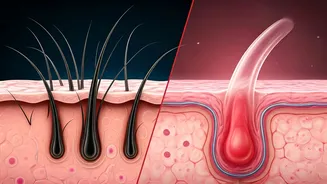

Understanding Hair Loss
Hair fall is a common concern, often stemming from stress, inadequate nutrition, hormonal imbalances, or genetics. While genetic hair loss can be challenging
to reverse entirely, recent or mild cases can often be managed to slow progression and encourage regrowth. It's important to have realistic expectations; significant improvement, rather than a complete overnight fix, is the primary goal when addressing hair thinning.
The Power of Microneedling
Microneedling involves using a derma roller with fine needles to create minuscule punctures on the scalp. This controlled micro-trauma prompts the body's natural healing response, significantly boosting blood circulation to the area. This increased blood flow delivers vital nutrients and oxygen to the hair follicles, encouraging them to become more active. Furthermore, microneedling enhances the absorption of topical treatments applied afterward, essentially preparing the scalp to receive beneficial ingredients more effectively. Research indicates that this stimulation can help revitalize dormant follicles and promote improved hair growth.
Rosemary Oil's Role
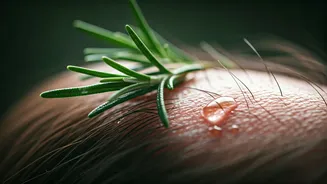
Rosemary oil has gained popularity for its potential to aid hair growth. It is believed to enhance blood circulation within the scalp, which is crucial for delivering nutrients to hair follicles. Additionally, its anti-inflammatory properties can contribute to a healthier scalp environment. A notable study comparing rosemary oil to minoxidil, a well-known hair loss treatment, found comparable improvements in hair growth after a six-month period. More recent investigations also suggest that rosemary oil-based formulations can lead to increased hair density and thickness, effectively reducing hair shedding over time.
Synergistic Effects Combined
The combination of microneedling and rosemary oil creates a powerful, synergistic effect for hair regrowth. Microneedling initially primes the scalp by opening up pathways and increasing blood flow, essentially preparing the ground. Following this, applying rosemary oil, diluted with a carrier oil like coconut or castor oil, provides the scalp with beneficial compounds that support follicle health and stimulate growth. This two-step process is akin to loosening the soil before adding nutrient-rich fertilizer, optimizing the conditions for healthier, more robust hair to emerge.
A Practical Routine
Implementing this treatment requires a consistent yet manageable routine. Begin by using a derma roller (0.5 mm to 1 mm) on thinning areas once or twice weekly for about 5-10 minutes, ensuring gentle application and avoiding excessive pressure. A slight redness post-treatment is normal, but bleeding is a sign to stop. For rosemary oil application, mix 4-5 drops with a tablespoon of carrier oil and massage into the scalp 2-4 times a week. Leave it on for several hours or overnight before washing. Patience is key; visible improvements typically take 4-6 weeks for reduced hair fall, 2-3 months for early regrowth signs, and up to six months for noticeable enhancement.
Avoiding Common Pitfalls
Several common mistakes can hinder progress. Overdoing microneedling can lead to scalp damage, while using undiluted rosemary oil may cause irritation. Expecting immediate results is unrealistic, as hair growth is a gradual process. Crucially, neglecting internal factors like diet and stress will limit the effectiveness of topical treatments. Low protein, iron deficiencies, and a diet high in processed foods can negatively impact hair health, underscoring the importance of a holistic approach that includes proper nutrition and stress management.
Holistic Hair Health
For optimal results, this regimen should be complemented by broader lifestyle adjustments. Prioritizing protein-rich foods such as eggs, paneer, and dals, alongside iron-rich options like spinach and dates, is essential. Effective stress management techniques are also paramount, as chronic stress significantly contributes to hair loss. Furthermore, adopting gentle hair care practices, such as avoiding harsh styling methods and minimizing heat damage, supports overall scalp health and reduces physical stress on the hair follicles, reinforcing the idea that lifestyle choices play a more significant role than any single product.
Safety and When to Seek Help
When performed correctly, microneedling and rosemary oil treatments are generally safe. However, individuals with scalp infections, very sensitive skin, or severe hair loss conditions should exercise caution or avoid these methods. If hair fall is sudden, extreme, or persistent, it is strongly recommended to consult a dermatologist. Relying solely on at-home remedies might not be sufficient for underlying medical issues, and professional guidance is crucial for appropriate diagnosis and treatment.