




Salon Presentations Emerge
The genesis of what we recognize as fashion shows can be traced back to the mid-19th century in Paris. It was here that pioneering designer Charles Frederick
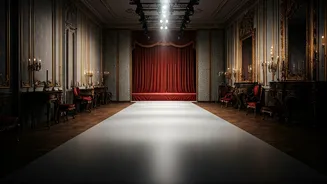
Worth initiated a novel approach to showcasing his creations. Instead of solely relying on sketches or static displays, Worth engaged live models to don his exquisite garments. These models would then present the clothing to his exclusive clientele within the intimate setting of his Parisian salon. These private, intimate showings for wealthy patrons are now widely acknowledged as the very first fashion shows, laying the groundwork for future presentations and establishing a direct connection between designer and potential buyer through a live visual experience.
Haute Couture's Theatrical Turn
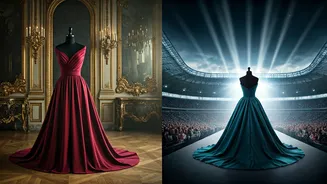
As the 20th century dawned, the concept of fashion presentations began to evolve beyond private salon viewings. Parisian couture houses started to organize more structured fashion events, specifically aimed at attracting buyers and catering to an elite clientele. Visionary designers like Paul Poiret took this evolution a significant step further. They transformed these presentations into elaborate spectacles, imbuing them with a sense of drama and artistry. Poiret, in particular, infused his shows with elements of theater, incorporating music and carefully curated themed settings to create a more immersive and captivating experience for attendees, setting a new benchmark for fashion presentation.
American Fashion Parades
Concurrently, across the Atlantic, fashion shows were beginning to gain traction in the United States during the early part of the 20th century. Department stores played a pivotal role in this burgeoning trend. To entice shoppers and to keep them abreast of the latest sartorial offerings, especially those originating from Europe, these stores began organizing their own 'fashion parades.' These events served as a public display of the newest styles, bringing the allure of high fashion to a broader American audience and contributing to the growth of the domestic fashion industry by popularizing European trends and inspiring local designers.
The Dawn of Fashion Weeks
The landscape of modern runway culture significantly shifted with the establishment of New York Fashion Week in 1943. This landmark event emerged during a critical period of World War II. With travel to Paris, the traditional epicenter of fashion, becoming exceedingly difficult, American designers found themselves needing an alternative platform to showcase their work. The inception of New York Fashion Week provided this vital opportunity, fostering American fashion talent and independence, and marking the beginning of a more organized, recurring series of fashion events that would eventually become the global phenomenon known as Fashion Week.
The Supermodel Phenomenon
The 1990s witnessed a transformative era for runway shows, elevating them to global spectacles of unprecedented scale. This period was synonymous with the rise of the supermodel. Iconic figures like Naomi Campbell and Cindy Crawford became household names, commanding international attention and dominating fashion weeks worldwide. Their presence and star power amplified the media's focus on the runway, turning fashion shows into major cultural events and solidifying the runway's place in popular consciousness, making designers' creations accessible and aspirational to a wider audience.
Immersive Artistic Stages
In the contemporary era, fashion runway shows have transcended mere garment display to become elaborate, immersive artistic performances. Designers are increasingly focused on crafting comprehensive experiences that engage multiple senses and tell compelling stories. Brands renowned for their innovative approaches, such as Chanel and Alexander McQueen, have consistently pushed the boundaries by transforming their shows into dramatic and highly conceptual artistic statements. These productions often feature intricate set designs, theatrical elements, and a strong narrative, blurring the lines between fashion, art, and entertainment, creating unforgettable visual and emotional impact for their audiences.