





Cultural Dress Statements
The decision to embrace traditional attire in modern settings serves as a powerful testament to the enduring significance of cultural heritage. One striking
example is a 'Marathi mulgi' who chose to wear a Nauvari saree when taking her Canadian citizenship oath. This choice was a conscious effort to keep her roots alive, demonstrating how clothing can act as a bridge across geographical boundaries and generations. This act of wearing the traditional attire is not merely a fashion statement, but a declaration of cultural pride and a commitment to preserving ancestral traditions, no matter where life takes a person. It is a visible reminder of belonging and continuity, connecting individuals to their cultural background.
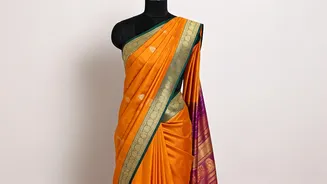
The Nauvari Saree
The Nauvari saree, in particular, holds a special place in Maharashtrian culture. The way it is draped is distinct and represents a strong sense of identity. The wearing of this traditional attire, especially during significant events such as a citizenship oath, is a deliberate act of connecting with ancestry. The Nauvari saree's style and significance make it more than just a piece of clothing; it's a symbol of cultural identity and heritage. It is a visible statement of who a person is, where they come from, and what they value. It symbolizes a connection to the past while existing comfortably in the present, a way of carrying tradition into the future.
Fashion's Role
Fashion acts as a vital tool in preserving cultural heritage and connecting individuals to their ancestral roots in many ways. It allows people to visibly display their cultural pride and keep traditions alive. By choosing to wear traditional garments, people make a statement about their identity and values, which helps to preserve customs for future generations. Furthermore, fashion creates a sense of belonging and community, uniting individuals with shared cultural backgrounds. The choice of attire therefore, transcends mere aesthetics; it becomes a powerful emblem of identity and an expression of one's connection to their past, while simultaneously shaping one's future.