


Evolving Consumer Values
By 2025, consumers, especially in markets like India, were predicted to place greater importance on ethical and sustainable practices. This shift would
likely influence purchasing decisions, with a preference for brands that showcase transparency and responsibility. Consumers may favor brands that prioritize sustainable materials, fair labor practices, and reduced environmental impact. Furthermore, there could be a decline in conspicuous consumption, with individuals valuing experiences and personalized services over extravagant displays of wealth. This change would lead to luxury brands having to redefine their value proposition to align with evolving consumer priorities. Brands that successfully adapted their business models to reflect these values could see a competitive advantage, attracting a new generation of conscious consumers. The focus would be shifting from mere status symbols to brands that provide products and services with authenticity.
Sustainability Takes Center
Sustainability would be a key driver shaping luxury in 2025. Fashion brands faced increasing pressure to address their environmental footprints. This meant integrating sustainable practices throughout their supply chains, from sourcing raw materials to manufacturing and distribution. Innovative materials, like recycled fibers and lab-grown alternatives, were expected to gain prominence. Brands were also likely to invest in circular economy models, designing products for longevity and offering repair or resale services. Consumers would become more aware of the environmental and social impacts of their purchases, pushing for greater transparency. Regulations and certifications related to sustainability would also increase, compelling brands to meet stringent standards. Luxury brands that lead in sustainable practices could build brand loyalty and attract environmentally conscious consumers. Brands who didn't adapt could risk their brand image and miss new market opportunities.
Digital Experiences Redefined
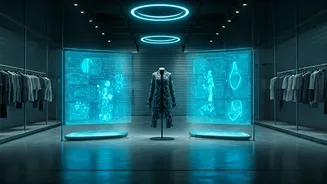
The digital world would be even more integrated into the luxury fashion experience by 2025. E-commerce platforms would become sophisticated, offering personalized shopping experiences that emulate the feel of physical boutiques. Augmented reality (AR) and virtual reality (VR) technologies would allow consumers to virtually try on clothes, visualize products in their homes, and interact with brands in innovative ways. Social media would continue to play a crucial role in brand storytelling, with luxury brands employing influencers and content creators to engage with target audiences. Data analytics would inform all aspects of the customer journey, from product development to marketing strategies. Brands would use data to predict trends, understand consumer preferences, and deliver personalized experiences. Digitalization will create new opportunities for luxury brands to connect with consumers, enhance engagement, and offer exclusive experiences beyond physical stores. Companies that do not integrate these new tech experiences run the risk of falling behind.
The New Face of Luxury
In 2025, luxury was not just about owning exclusive items; it would encompass a broader lifestyle. This meant a shift toward personalized experiences, exceptional customer service, and access to exclusive events. Brands might focus on building communities around their products, offering unique experiences like private shopping appointments, travel packages, and access to exclusive clubs. Customization would become even more significant, with brands providing tailored products and services to cater to individual preferences. The definition of luxury would evolve, extending beyond material possessions to encompass values like sustainability, ethical production, and social impact. Brands that could successfully tell their story, create meaningful connections, and deliver exceptional experiences, are those who would thrive.