




What is Designer Rice?
Scientists at CSIR-NIIST in Thiruvananthapuram have engineered a novel rice variety, aptly named 'designer rice,' designed to tackle prevalent nutritional
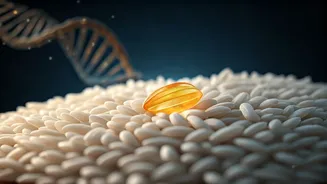
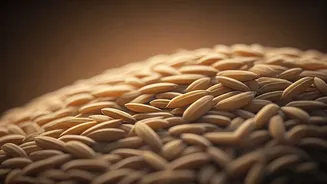
deficiencies and health concerns in India. This innovation repurposes broken rice, a byproduct of milling, transforming it into a nutrient-dense staple. Unlike conventional rice, which is primarily starch, this new version undergoes a process of deconstruction and reconstruction. Researchers break down traditional rice grains into their fundamental components – starch, protein, and fiber. Subsequently, these elements are reassembled to enhance the grain's nutritional value. This involves reducing the starch content and incorporating additional protein along with vital micronutrients. The process is not genetic modification; it's a sophisticated food-processing technique that alters the grain's nutritional composition, ensuring it remains safe and beneficial for consumption without the use of any harmful chemicals, as confirmed by their press release.
Designer Rice's Nutritional Edge
This specially engineered rice offers a significant nutritional upgrade compared to its conventional counterpart. While standard rice typically contains a modest 6-8% protein, this designer variant boasts an impressive protein content exceeding 20%. Furthermore, it addresses the issue of rapid blood sugar spikes associated with regular rice by featuring a low Glycaemic Index (GI) value below 55. This characteristic ensures a slower release of energy into the bloodstream, making it a safer and more suitable option for individuals managing diabetes, a growing concern in India. Beyond protein and carbohydrate management, the designer rice is fortified with essential micronutrients. It actively combats anemia by integrating iron, folic acid, and Vitamin B12 directly into the grain's structure, providing a comprehensive nutritional boost that goes beyond basic sustenance.
Addressing India's Health Crisis
India faces a dual health challenge: being recognized as the 'diabetes capital of the world' due to the high GI of common staples like white rice, and widespread 'hidden hunger' where millions suffer from micronutrient deficiencies despite consuming adequate calories. Designer rice offers a multifaceted solution to these critical issues. By providing a low-GI alternative, it helps mitigate the dangerous blood sugar spikes that often follow meals for diabetics. Simultaneously, its enhanced protein and micronutrient profile directly addresses the pervasive problem of hidden hunger, ensuring that individuals receive essential nutrients vital for bodily functions, even when their overall calorie intake might be insufficient. This innovation bridges the gap, promoting overall health and well-being within the Indian population.
Taste and Cultural Integration
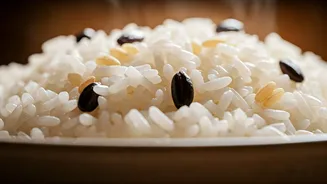
A key advantage of this innovative rice is its seamless integration into existing dietary habits and cultural practices. Dr. Anandharamakrishnan, the lead scientist, highlights that the designer rice not only tastes superior to regular rice due to its increased protein content but also requires no drastic lifestyle changes. This means individuals can continue enjoying their beloved rice dishes, such as pulao and biryani, without needing to adopt unfamiliar or expensive alternatives like quinoa or salads. The essence of this breakthrough lies in enhancing the nutritional value of a familiar food item, making healthier eating accessible and culturally congruent. This approach respects traditional cuisine while offering a powerful tool for improving public health, ensuring widespread adoption and impact.
A Circular Economy Approach
The development of designer rice also champions principles of a circular economy, adding significant value to agricultural byproducts. By utilizing broken rice grains, which are typically a less valued commodity resulting from the milling process, scientists have created a new income stream and resource utilization strategy for farmers. This approach transforms what was once considered waste into a high-value nutritional product. It fosters a more sustainable agricultural ecosystem by enabling farmers to derive greater economic benefit from their produce. This innovation, born from a lab in Kerala, symbolizes a leap forward in food technology, turning a humble grain into a cornerstone of a healthier nation and a more efficient food system.