







Tradition vs. Change
Traditionally, elderly care in India has been a family responsibility, often involving multi-generational households. However, societal shifts, including
urbanization, changing family structures, and increased mobility, have altered this dynamic. The rise of nuclear families and the migration of younger generations for education and work have made it challenging to provide consistent care within the traditional framework. Consequently, senior living communities are emerging as a viable and, in many cases, preferred option for the elderly. These communities offer structured support, social interaction, and access to amenities that can be difficult to manage independently. This transition represents not just a change in living arrangements but also a shift in societal attitudes towards aging and independence.
Addressing Common Myths
Misconceptions often surround senior living in India. Many believe that these communities are solely for those abandoned by their families or for individuals with significant health issues. Another myth suggests that such living arrangements lead to isolation. In reality, senior living communities cater to a diverse range of individuals, including those who are perfectly capable of independent living but prefer the benefits of community. These environments provide opportunities for social interaction, recreational activities, and access to healthcare services, thereby reducing feelings of loneliness and enhancing overall well-being. Furthermore, they offer security and peace of mind, freeing residents from the burdens of home maintenance and other responsibilities, allowing them to enjoy their retirement years more fully. It’s important to dispel the stigma and acknowledge the positive aspects of these communities.
Features of Modern Living
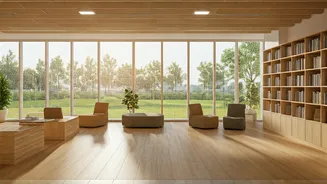
Modern senior living communities in India offer a wide array of features designed to enhance the quality of life for residents. These include well-appointed living spaces, ranging from individual apartments to villas, designed with senior-friendly features like grab bars and easy access. Many communities offer a range of amenities like dining halls, recreational facilities, fitness centers, and swimming pools. Furthermore, they provide a variety of services such as housekeeping, laundry, and healthcare support, including on-site nurses and access to medical professionals. Social activities are a cornerstone of these communities, with organized events, clubs, and outings to foster a sense of belonging and reduce isolation. The focus is on creating a holistic environment that supports physical, mental, and social well-being.
Purposeful Aging Redefined
The concept of purposeful aging emphasizes the importance of continuing to find meaning and fulfillment in life during the senior years. Senior living communities in India are increasingly embracing this philosophy by offering programs and opportunities for residents to pursue their interests, hobbies, and passions. Many communities have dedicated activity centers, workshops, and classes that cater to a wide variety of interests, from arts and crafts to yoga and meditation. There are also opportunities for volunteering and community involvement, allowing residents to contribute their skills and experience. The goal is to provide a vibrant and engaging environment where residents can remain active, engaged, and continue to find purpose in their lives, thus challenging the traditional view of retirement as a time of inactivity and decline.
Future Trends & Growth
The senior living sector in India is poised for significant growth, driven by an aging population and changing social dynamics. Experts anticipate an increase in the number of senior living communities, with a focus on providing diverse options that cater to different needs and preferences. There is also a growing emphasis on incorporating technology to enhance the quality of life for residents, including telemedicine, smart home features, and communication tools. Furthermore, there is a focus on sustainability and eco-friendly practices in the construction and operation of these communities. These trends reflect a broader societal shift towards valuing the contributions of senior citizens and recognizing the importance of providing them with supportive and enriching environments. This creates a promising outlook for the future of senior living in India, marking it as a dynamic field.