





The Power of Touch
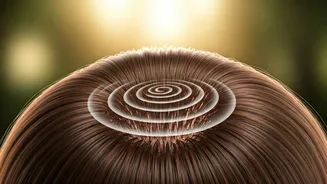
Scalp massage is a time-honored practice that offers more than just relaxation; it's a biological imperative for robust hair growth. By physically stimulating
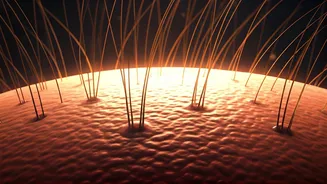
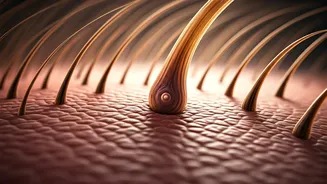
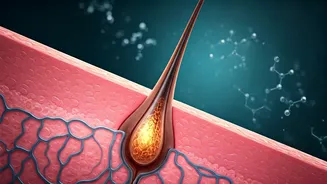
the scalp, this technique enhances blood circulation, effectively delivering essential oxygen and nutrients directly to the hair follicles. This increased vascular flow is crucial for nourishing the roots and promoting a healthier environment for hair to thrive. Furthermore, the mechanical action of stretching the scalp has been linked to stimulating dermal papilla cells, which play a vital role in hair follicle health and can signal for thicker, stronger hair regrowth. While not a definitive cure for advanced hair loss, consistent and proper scalp massage is a highly effective, side-effect-free method for reducing hair shedding, improving hair texture, and encouraging new growth in areas experiencing thinning.
Realistic Regrowth Expectations
While the idea of a bald spot is distressing, scalp massage offers a promising avenue for improvement, though it's essential to set realistic expectations. It acts as a powerful supportive tool rather than a magic wand for complete hair restoration. For thinning that stems from factors like elevated stress levels, suboptimal circulation, or a temporary resting phase for follicles, a dedicated massage routine can indeed help reactivate growth. However, if a hair follicle has been dormant for an extended period, indicative of advanced or permanent hair loss, the observable results might be more subtle. Nevertheless, cultivating a healthy scalp is foundational; it optimizes the environment for any hair treatment to be more effective and offers significant benefits to overall scalp health, making it a worthwhile endeavor regardless of the severity of hair loss.
Optimizing Your Routine
The timing of your scalp massage can enhance its benefits, but consistency remains the paramount factor. Consider incorporating it into your bedtime routine, as your body is in a state of repair overnight, allowing for optimal nutrient absorption. Alternatively, a pre-wash massage, especially when combined with a light oil like rosemary or jojoba, can significantly improve product penetration. The post-shower window also presents an ideal opportunity, as your pores are open and your scalp is clean, making it receptive to stimulation. The golden rule for efficacy is frequency; aim for at least 4–5 sessions per week. Infrequent massages, such as once a month, will yield minimal to no discernible results, emphasizing that dedication is key to achieving tangible improvements in hair health and growth.
Mastering the Technique
Achieving optimal results from scalp massage requires a specific technique, prioritizing your hands as the most effective tools. Begin by preparing your scalp, either dry or with a light oil application. Crucially, use the fleshy pads of your fingertips, never your nails, to avoid causing micro-tears that can damage hair roots. Start at your hairline and employ slow, deliberate circular motions, gradually moving towards the crown and then down to the nape of your neck. Apply 'Goldilocks' pressure—firm enough to feel the skin moving over the bone, but not so intense that it causes discomfort. Dedicate at least 3 minutes to massaging any areas experiencing thinning, using rhythmic circular motions to boost circulation. Conclude with light fingertip tapping, reminiscent of raindrops, and very gentle tugs on small sections of hair to further stimulate nerve endings at the root. Aim for a total session duration of 10–15 minutes for maximum benefit.
Enhancing with Oils
To amplify the effects of your scalp massage, incorporating specific oils can act as powerful natural boosters. Rosemary oil has gained significant attention, with some studies suggesting its effectiveness in promoting early regrowth comparable to 2% minoxidil. Castor oil, though thick and potentially messy, is exceptionally rich in nutrients and highly beneficial for thinning patches. Onion oil, while possessing a distinct aroma, is abundant in sulfur, a compound many individuals attest to for reducing hair breakage and supporting growth. These oils, when massaged into the scalp, can provide targeted nourishment and support the hair follicles, complementing the stimulation provided by the massage itself.
Common Pitfalls to Avoid
Even with the best intentions, certain common mistakes can hinder the progress of your scalp massage efforts. One significant pitfall is inconsistency, often referred to as being a 'weekend warrior,' where infrequent sessions lead to negligible results; consistency is key. Another mistake is applying excessive pressure, which can lead to increased hair shedding rather than promoting growth. If you notice more hair loss during your massage, it's a clear indication to ease up on the intensity. Finally, be mindful of over-applying heavy oils without proper cleansing. This can lead to clogged pores and follicles, creating an environment that is counterproductive to hair growth, underscoring the importance of a clean scalp and appropriate oil usage.
The Realistic Timeline
Witnessing tangible results from scalp massage requires patience and consistent application over time. Within the first month, you may notice a positive shift in your scalp's condition, feeling less tight and dry, and potentially observing a reduction in the amount of hair shed. By the second month, the existing hair might appear more lustrous and possess greater lift at the roots, indicating improved follicle health. The period between months three and six is often where the most significant payoff occurs. During this time, you are likely to observe the emergence of new, fine 'baby hairs' beginning to fill in sparse areas, signaling that the stimulation and nourishment are effectively encouraging new growth cycles.