
Digital Fashion's Role
Rohit Bal, a prominent figure in Indian fashion, opted out of creating digital fashion films during the recent pandemic and digital fashion weeks. He believes
these formats lack the soul and sensory experience essential to true fashion, stating that while clothes may be aesthetically pleasing, the lasting impressions are often from the settings rather than the designs themselves. This preference highlights his traditionalist view, where the tangible and emotional connection to clothing is paramount, contrasting with the prevalent digital shift in the industry. Bal's stance suggests a deeper reflection on how fashion is consumed and appreciated, prioritizing authentic engagement over fleeting digital presentations. He asserts that if fashion were purely a cinematic medium, the industry wouldn't have relied on physical shows for so long.
The Indian Fashion Landscape
Bal expresses a critical view of India's general indifference towards fashion as a significant cultural or economic entity. He points out the immense bureaucratic hurdles faced in staging fashion events, referencing the complex permissions required for his show at the Qutub Minar. The designer feels that government bodies have historically offered little support to the fashion sector. He estimates that only a minuscule fraction of the Indian population actively engages with or purchases high fashion. In Bal's opinion, the nation's true passions lie with Bollywood and cricket, leading to a stark disparity in business and export values when compared to fashion. This sentiment underscores his perception of fashion's marginalized status within the broader Indian cultural and commercial context, a stark contrast to its prominence in global fashion capitals.
Craftsmanship and Collaboration
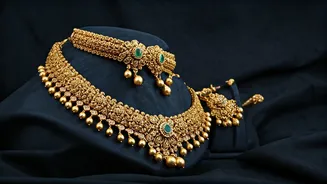
Addressing the common critique of designers not adequately crediting craftspeople, Rohit Bal emphasizes the logistical complexities involved. He illustrates this with a heavily embroidered sherwani, noting the involvement of thirty artisans, with many roles changing hands multiple times due to the nature of the unorganized sector. Bal acknowledges that fashion is fundamentally teamwork, and while designers bring the vision, artisans are indispensable for execution. He shares an anecdote about a small, embroidered brown rabbit appearing on a sherwani, a detail imagined and executed by an artisan beyond the approved design, showcasing the inherent talent and creative spirit of craftspeople. This highlights his belief in the essential synergy between designer and artisan, where mutual respect and understanding are crucial for creating exquisite garments.
Bal Bache Launch
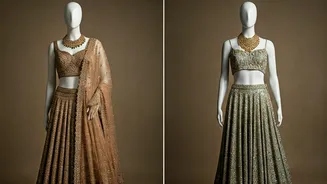
Far from being weary of fashion, Rohit Bal maintains a fervent passion, viewing his work as an artistic pursuit rather than solely a commercial endeavor. He acknowledges that a purely commercial approach would have yielded significantly greater financial returns. His current ambition extends beyond apparel, encompassing other creative domains like home decor, tapestry, pottery, and glassware. Bal's extensive portfolio includes past collaborations with numerous brands across various sectors, and he has recently partnered with Biba for a new festive collection. He has introduced 'Bal Bache,' a children's line featuring miniature bandhgalas for boys and lehnga-gowns for girls, reflecting his affection for children and his desire to extend his design aesthetic to younger audiences. He oversees his collections meticulously, managing designers and approving all aspects from color palettes to textiles and embroideries, ensuring a cohesive and high-quality output without micromanagement.
Persona vs. Work
Rohit Bal attributes his elusiveness and selective interviews to a long-held realization that his personal persona often overshadows his creative work. He finds that many media outlets and collaborators are drawn to his celebrity status rather than a deep engagement with his designs. This has led him to limit his public interactions, preferring to avoid the 'dancing monkey' effect he experiences when recognized. Bal admits that while celebrity offers advantages like preferential treatment, he prioritizes protecting his privacy and ensuring his work receives the focus it deserves. Despite his unconventional designs, which some might deem less contemporary, his stores attract a consistent clientele, including younger demographics looking for bridal wear. The accessibility of his ready-to-wear pieces on his e-commerce platform also indicates a strategic approach to business and market reach.
Future Fashion Shows
Rohit Bal remains deeply connected to his roots and expresses a longing for his homeland, Kashmir, though he refrains from public commentary on sensitive political issues. He articulates a clear vision for his return to staging physical fashion shows, should the industry fully embrace them again. Bal envisions not just a display of garments, but rather a grand, elaborate production that captivates the audience. This suggests a return to the spectacular, immersive experiences he was once known for, emphasizing the theatrical and artistic potential of fashion presentations. His commitment to this vision implies that any future shows will be a testament to his enduring dedication to creating memorable and impactful fashion moments, moving beyond the current trends of digital or simplified presentations.