




Childhood's Influence
The FW26 collection by Maragno drew heavily from the concept of childhood, presenting a blend of past memories and present-day fashion sensibilities. The designers
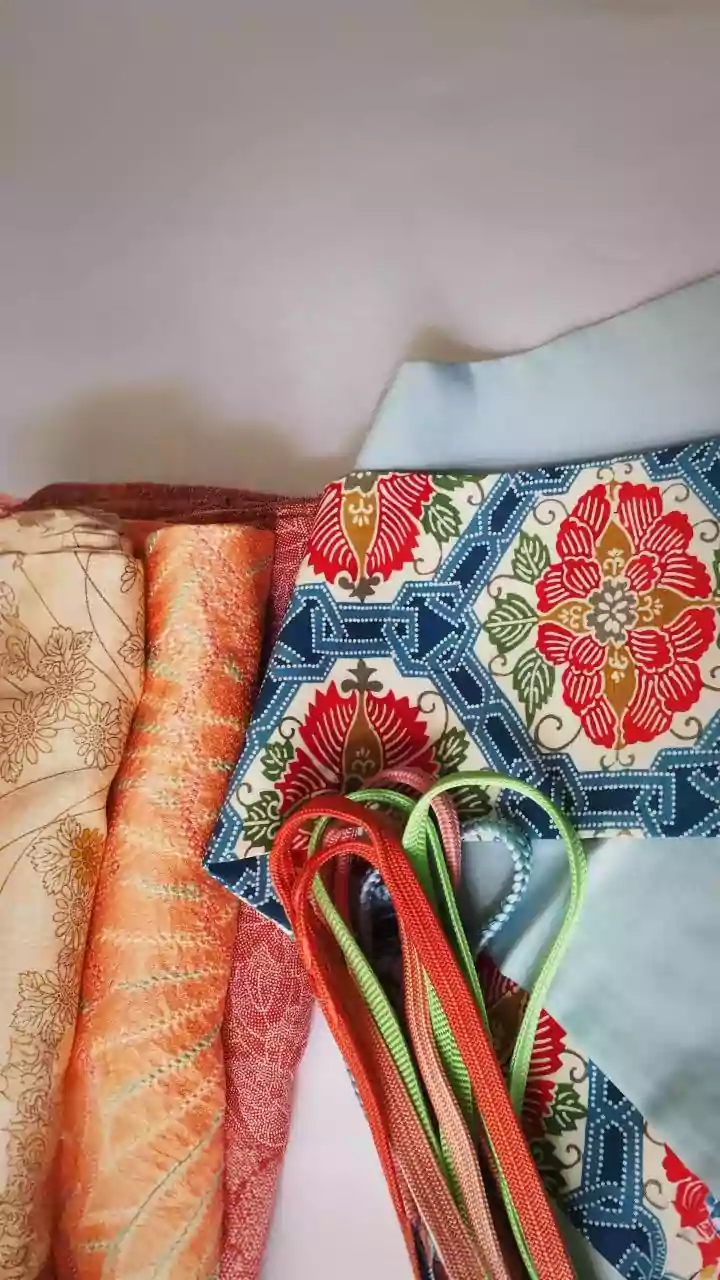
sought to encapsulate the simplicity and joy of childhood, translating these emotions into wearable art. This involved revisiting familiar shapes and patterns, reimagining them through a contemporary lens. The creative process began with recalling childhood experiences. The design team meticulously reviewed old photographs, children's books, and other nostalgic references. This helped them to identify recurring themes and aesthetic elements that could be incorporated into the collection. The color palette was selected to evoke specific memories and emotions associated with childhood. Soft pastels, vibrant primary colors, and gentle earth tones were strategically used to represent different aspects of childhood. These colors were carefully chosen to be visually appealing, creating a sense of comfort and familiarity. The fabrics were also selected for their tactile qualities. Soft, comfortable materials were chosen to enhance the feeling of nostalgia. This approach created a collection that aimed to resonate with the wearer on an emotional level, transporting them back to their own childhood. The collection was designed to be not just a fashion statement but also a journey of rediscovery, blending the past with the present to create something uniquely modern and meaningful. The entire process showcased a commitment to storytelling through design, where each garment carried a piece of the past, presented in a stylish, forward-thinking manner.
Sustainable Fabric Focus
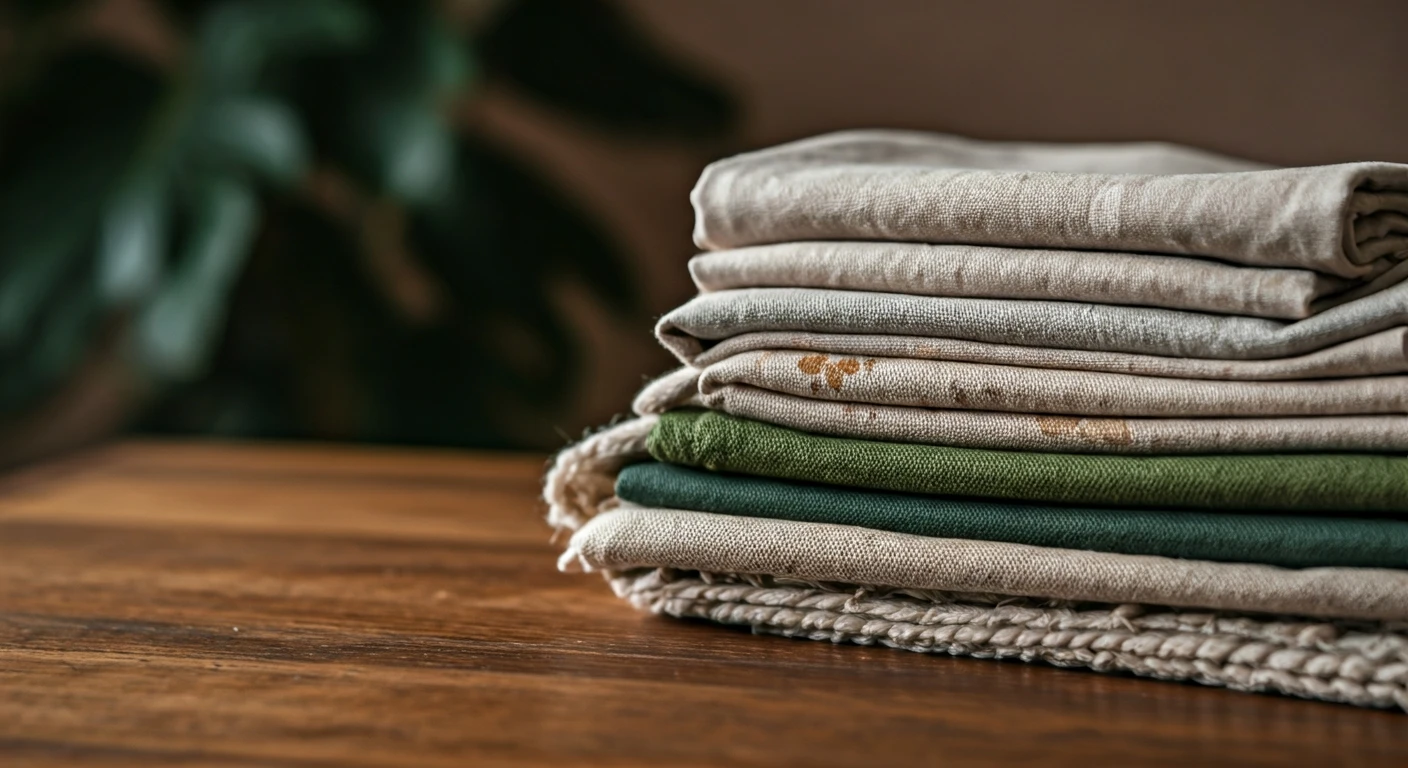
A defining aspect of the FW26 collection was its commitment to sustainability. The designers prioritized eco-friendly fabrics, underlining a dedication to ethical production practices. This approach encompassed various sustainable materials, chosen for their environmental benefits and aesthetic qualities. Organic cotton was a key component, valued for its soft texture and lower environmental impact compared to conventional cotton. Recycled materials were incorporated into the collection to repurpose existing resources, reducing waste. Innovative plant-based fabrics, like those made from natural fibers, offered a sustainable alternative to synthetic options. Each fabric selection was guided by a desire to minimize the ecological footprint, thereby reflecting a larger commitment to environmental responsibility. Furthermore, the sourcing of these fabrics was carefully managed. The design team collaborated with suppliers that prioritized ethical labor practices and transparent supply chains. The production process also adhered to eco-friendly methods. This included reducing water consumption, minimizing waste, and utilizing energy-efficient manufacturing techniques. This integrated approach guaranteed that the collection was not only stylish, but also aligned with responsible consumerism. It demonstrated a conscious effort to create fashion that cares for the planet and respects the people involved in its creation. This collection presented sustainable fashion as an intrinsic part of its core, underscoring its relevance and appeal.
Design Elements Explored
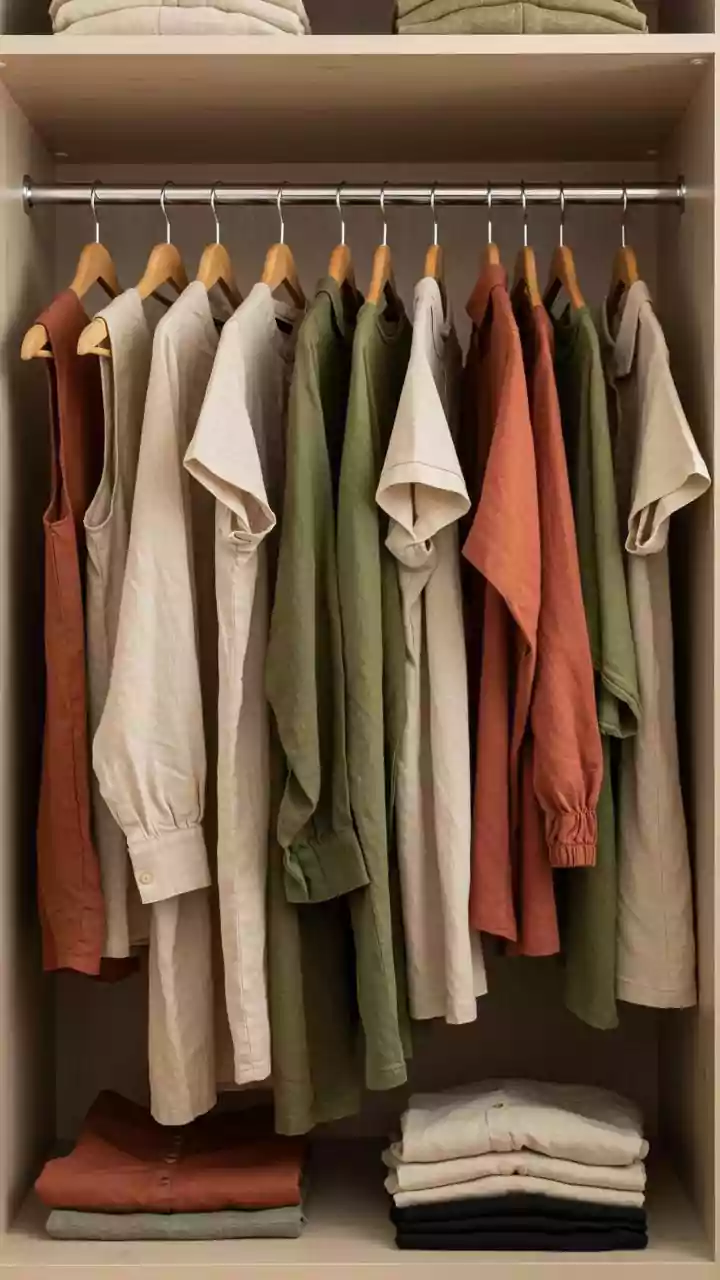
The design of the FW26 collection was characterized by a harmonious blend of classic childhood motifs and modern design principles. The pieces were marked by simple shapes, clean lines, and a focus on wearability, making them suitable for everyday use. Classic silhouettes, such as A-line dresses, playful overalls, and comfortable knitwear, were revitalized with modern touches. These familiar shapes were reimagined using contemporary techniques, such as unexpected color combinations and textured details. The collection also featured playful patterns and graphic elements inspired by children's drawings and games. These added a sense of whimsy and joy to the designs. The use of embroidery, prints, and patchwork brought each garment to life. Additionally, the designers paid close attention to the details, like buttons, zippers, and seams, ensuring that each garment was both stylish and functional. The overall aesthetic emphasized comfort and ease, allowing for movement and play. The designs were intentionally versatile, capable of being mixed and matched to create various looks. The collection aimed to be accessible and inclusive, appealing to a broad range of tastes and body types. The designs reflected the values of simplicity, sustainability, and joy, providing a fresh perspective on contemporary fashion. This highlighted the collection's ability to seamlessly blend the innocence of childhood with modern fashion ideals, offering a timeless aesthetic.
Ethical Production Practices
Ethical production formed a central element of the FW26 collection's identity. This commitment extended beyond the choice of sustainable materials to encompass the entirety of the manufacturing process. The brand worked in partnership with factories that followed strict ethical guidelines, ensuring fair wages, safe working conditions, and respect for worker rights. Transparency and traceability were also emphasized in the production, offering insight into every step of the garment's creation. Detailed information about the origins of the materials, the manufacturing processes, and the individuals involved were provided to the consumer. This transparency enabled consumers to make informed choices, aligning their purchases with their values. Additionally, efforts were made to reduce waste and minimize the environmental impact of production. The use of eco-friendly dyes and low-impact printing techniques helped reduce pollution. The brand continuously sought innovative solutions to improve its sustainability practices, which included exploring new materials and refining manufacturing processes. Furthermore, the brand supported local communities. This included partnerships with artisans and social enterprises, contributing to economic development and cultural preservation. This comprehensive approach to ethical production demonstrated a commitment to creating fashion that is not only beautiful but also responsible, fair, and sustainable. This reinforced the brand's position as an industry leader, dedicated to positive change.
Collection's Impact & Legacy
The FW26 collection by Maragno left a noteworthy mark on the fashion industry by successfully blending nostalgia, sustainability, and ethical production. It helped spark a conversation about the role of sustainable practices in high fashion. The collection's use of eco-friendly fabrics and ethical manufacturing practices demonstrated that fashion can be both stylish and responsible, encouraging other brands to consider their environmental impact. Its design elements, influenced by the simplicity and joy of childhood, resonated with consumers seeking authenticity and meaning in their wardrobe choices. The collection's positive reception showed that there is a growing demand for sustainable and ethically made fashion, paving the way for further innovation and expansion in this area. This collection established a new standard, where fashion reflects a strong commitment to environmental and social values. The legacy of this collection extended beyond its initial impact, influencing design trends and encouraging designers to explore the theme of nostalgia in innovative ways. It also inspired other brands to prioritize transparency and ethical sourcing. The overall impact of the FW26 collection highlighted that fashion could be a powerful tool for positive change, promoting sustainability, ethical practices, and the celebration of enduring values.