






Spotting the Imposters
The first step in enjoying sweet potatoes is making sure you've actually got them! Fake sweet potatoes might look similar, but they lack the nutritional
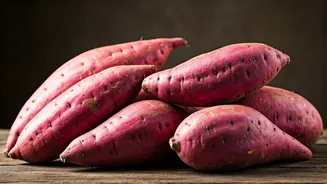
value and unique taste of the real thing. To check for purity at home, start by examining the skin. Real sweet potatoes typically have smooth, unblemished skin, while fakes might have a rougher texture or unusual markings. Next, check the flesh. A genuine sweet potato will have a vibrant color, ranging from deep orange to light yellow, depending on the variety. If the color seems off or the texture is too hard or watery, it's best to be cautious. Another method is the smell test: sweet potatoes have a distinct, slightly sweet aroma. If it smells off, or like nothing at all, it could be a fake. Finally, consider the source; always buy from a reputable vendor to minimize the risk of being misled.
Sweet Potato Dishes
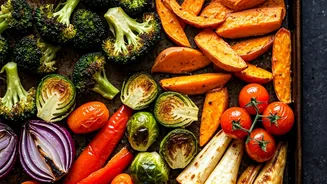
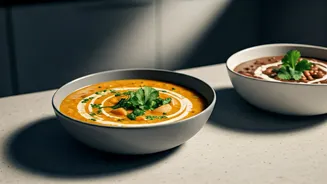
Once you've confirmed you have genuine sweet potatoes, it's time to get cooking! These versatile vegetables can be used in numerous ways. First, consider sweet potato fries – a healthier alternative to regular fries, seasoned with salt, pepper, and a touch of paprika, baked until crispy. Next, try a sweet potato and black bean burrito; roast the sweet potato, mix it with black beans, and wrap it in a tortilla with your favorite toppings. For a simple side, roast sweet potato cubes with olive oil, rosemary, and garlic. Another option is a creamy sweet potato soup – blend roasted sweet potatoes with vegetable broth and a dash of coconut milk. Then there's sweet potato hash, where you dice and sauté sweet potatoes with onions, peppers, and your choice of protein. Finally, create a sweet potato smoothie. Blend cooked sweet potato with banana, almond milk, and a touch of cinnamon for a naturally sweet and nourishing treat.
Health Benefits Await
Beyond their delicious flavor, sweet potatoes offer significant health advantages. Packed with vitamins and minerals, they are an excellent source of vitamin A, crucial for vision and immune function. They're also rich in antioxidants, which fight cell damage and may lower the risk of chronic diseases. Sweet potatoes are a good source of fiber, aiding digestion and promoting a feeling of fullness. Fiber can also help regulate blood sugar levels, making them a suitable choice for those managing diabetes. The complex carbohydrates in sweet potatoes provide sustained energy release, avoiding the energy spikes and crashes associated with simple sugars. The bright orange flesh gets its color from beta-carotene, a precursor to vitamin A, and a powerful antioxidant. Adding sweet potatoes to your diet can significantly contribute to overall well-being, providing essential nutrients in a delicious and satisfying way.
Tips for Preparation
Preparing sweet potatoes is straightforward, enhancing both their flavor and nutritional profile. Begin by washing and scrubbing the sweet potatoes to remove any dirt or residue. Peeling is optional; the skin is edible and contains valuable nutrients. For roasting, cube the sweet potatoes into similar sizes for even cooking, tossing them with oil and seasonings before placing them in a preheated oven. Boiling sweet potatoes involves cutting them into chunks and simmering them in water until tender, which you can then mash or use in soups. Grilling sweet potatoes is also an option; cut them into thick slices and grill them over medium heat until tender, adding grill marks and smoky flavor. When baking, pierce the sweet potatoes several times with a fork to allow steam to escape, then bake until soft. Consider the cooking method based on your desired dish and how you wish to accentuate the flavors and textures. Season with herbs, spices, and a touch of salt and pepper to customize the taste.
Storage Solutions
Proper storage preserves the quality and extends the shelf life of your sweet potatoes. Before storing, ensure the sweet potatoes are dry to prevent spoilage. Ideally, store them in a cool, dark, and well-ventilated location, such as a pantry or root cellar. Temperatures between 12-15°C (55-60°F) are optimal. Avoid storing sweet potatoes in the refrigerator; the cold temperatures can make them hard and affect their flavor and texture. If you have already cooked sweet potatoes, let them cool completely and store them in an airtight container in the refrigerator for up to five days. For longer-term storage, consider freezing cooked or uncooked sweet potatoes. You can peel, dice, and blanch them before freezing, ensuring they retain their color and texture. Properly stored sweet potatoes will maintain their quality, allowing you to enjoy their versatility for an extended period.