




Produce Picks Made Simple
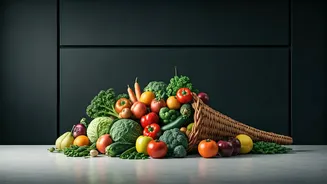
When stocking up on fruits and vegetables, prioritizing local and seasonal options is a game-changer for freshness and reduced pesticide exposure. For
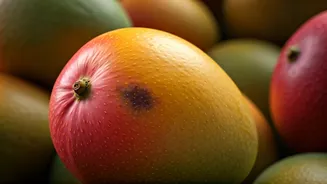
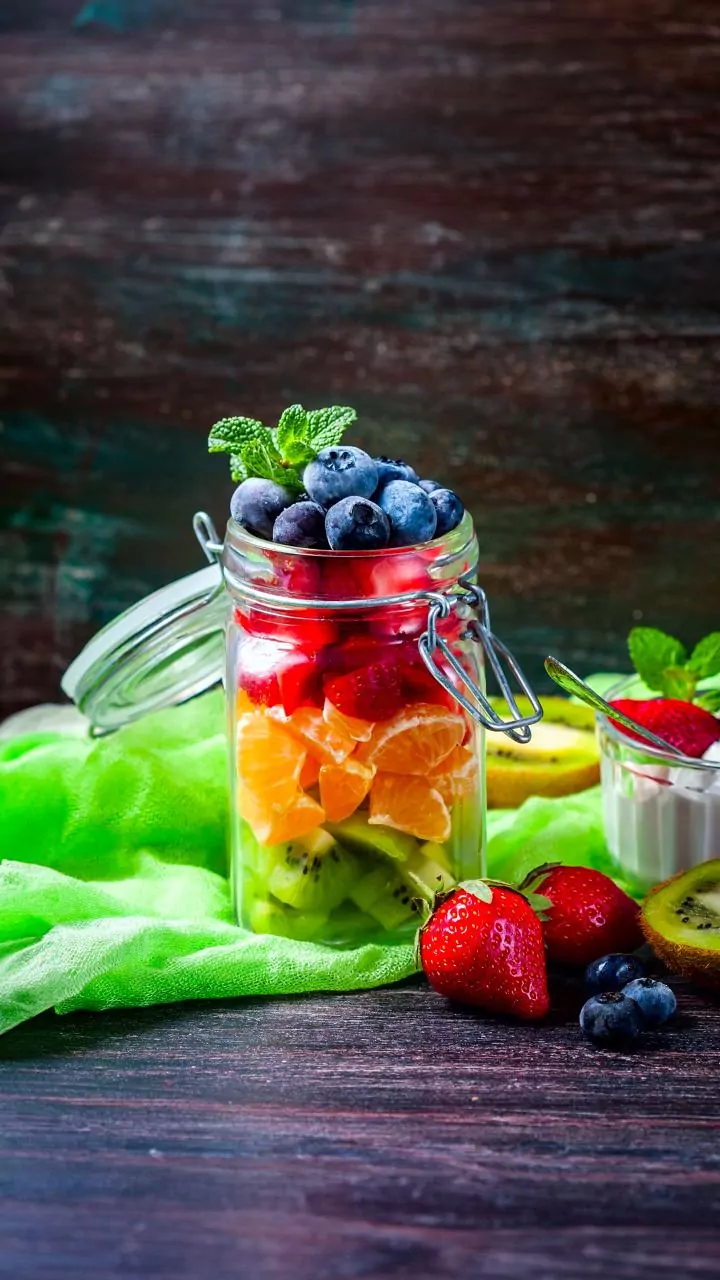
those concerned about chemical residues, understanding the 'dirty dozen' and 'clean fifteen' lists is crucial. The 'dirty dozen' produce, including items like strawberries, kale, spinach, nectarines, apples, grapes, bell peppers, cherries, peaches, pears, celery, and tomatoes, are candidates for organic selection due to higher pesticide absorption. Conversely, the 'clean fifteen,' such as avocado, papaya, pineapple, onions, peas, asparagus, melon, kiwi, cabbage, mushrooms, mangoes, and sweet potatoes, are generally considered safer even when not organic. For any non-organic produce, a simple yet effective cleaning method involves soaking them in warm water with half a teaspoon of baking soda for about fifteen minutes, which helps significantly in removing surface residues.
Salt, Sweetness, and Spice
Managing salt intake is vital, especially for young children. For infants under one year, aim for a maximum of 400 mg of sodium daily, as they already get sufficient amounts from breastmilk or formula; therefore, avoid adding salt to their food. Be mindful of 'hidden' salt in common foods like cheese and bread. Between one and three years, a slight increase to 800 mg of sodium per day is acceptable, and after four years, it can be up to 1200 mg. When choosing salt, opt for iodised sea salt or pink Himalayan salt. For spices, storing them in glass containers is preferable to plastic. When purchasing products labelled organic, look for the official Jaivik Bharat logo and the FSSAI license number. Many smaller Indian farms might market their produce as 'natural' due to the cost of certification; direct purchases from trusted local farmers often represent a more reliable and practical choice. When it comes to sweeteners, for babies under one year, options like maple syrup, honey, or dates are recommended. The American Academy of Pediatrics advises against all added sugars, including coconut sugar, jaggery, and white sugar, until after age two, as a baby's system processes them similarly to regular sugar. Post-two years, aim for less than 25 grams of added sugar daily. Natural sugars from whole fruits are perfectly acceptable. Always check packaged food labels for no added sugar or a maximum of 2 grams per 100 grams. Jaggery, while containing some minerals and being less refined than white sugar, is still a sugar and should be used sparingly.
Wholesome Fats and Grains
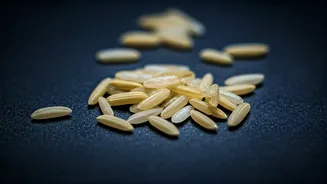
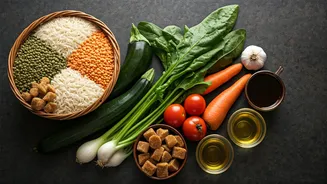
For cooking mediums, choosing cold-pressed or traditionally prepared oils and ghee is beneficial. Extra-virgin olive oil, coconut oil, and traditional desi ghee are excellent choices when consumed in moderation. Eggs are a complete protein source, and it's advisable to source them from a reliable provider, looking for the Jaivik Bharat mark if organic options are preferred. When selecting dals and beans, local varieties often offer superior freshness and nutritional value. It's a good practice to rinse them thoroughly and, if possible, soak them overnight to enhance digestibility, particularly for delicate digestive systems. For dairy products like milk, curd, and paneer, full-fat versions are recommended for babies and toddlers. Similarly, for staple grains such as rice, wheat, ragi, and oats, sourcing locally is often a wise decision. Prioritizing whole grains is generally best, as they provide sustained energy release and essential dietary fiber.