






Breathing Toxic Air
Urban air, laden with exhaust fumes, industrial waste, and burning debris, poses a significant threat to children's respiratory systems. Particularly insidious
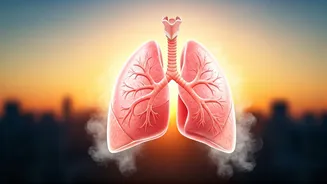
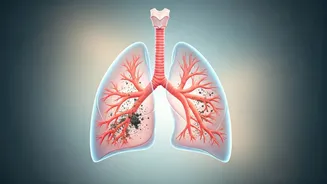
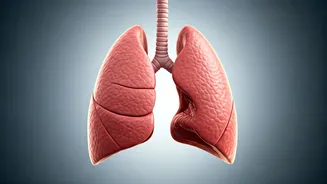
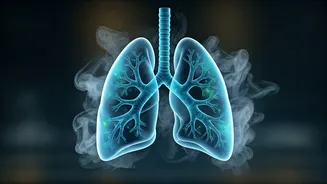
are PM2.5 particles, microscopic dust that infiltrates deep into the lungs, triggering persistent inflammation and irritation. Because children inhale more air relative to their body weight, they are disproportionately affected by these toxins. This constant exposure can lead to lasting harm to delicate airways, making them more susceptible to frequent infections and breathlessness. The invisible nature of this danger means that even without visible smog, the air can silently compromise a child's health, impacting their overall well-being and daily activities.
Vulnerable Lungs Developing
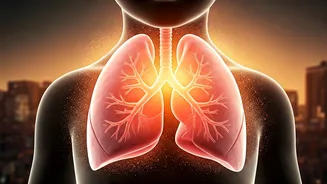
A child's respiratory system is in a constant state of growth until adolescence, with air sacs expanding and lung capacity increasing. This developmental phase makes them especially susceptible to the damaging effects of polluted air. Prolonged exposure to toxins can stunt this crucial growth, potentially leading to permanently diminished lung function. Consequently, children may experience reduced stamina, an increased frequency of respiratory illnesses, and a higher likelihood of developing chronic lung conditions later in life. What might seem like a recurring cold could in fact be the lungs reacting to the toxic airborne particles, a silent testament to the environmental challenges they face daily.
Asthma and Pollution's Grip
For children managing asthma, air pollution acts as a potent and often unavoidable trigger, escalating the severity and frequency of their symptoms. During periods of poor air quality, asthma attacks become more common, necessitating more frequent use of inhalers and potentially leading to emergency room visits. The chronic inflammation caused by repeated flare-ups can make asthma increasingly difficult to manage. Beyond asthma, children with existing respiratory conditions are prone to recurrent chest infections, sometimes requiring hospitalization. The emotional and financial strain on families dealing with these amplified health issues can be immense, highlighting the urgent need for solutions that address the root cause of air pollution.
Long-Term Health Risks
The damage inflicted by air pollution extends far beyond immediate symptoms. Over time, chronic exposure can manifest as persistent breathlessness, a lingering cough, and a general decline in physical stamina, even in children who were previously healthy. Emerging scientific evidence points towards a link between long-term air pollution exposure and an increased risk of lung cancer, even in individuals who have never smoked. This persistent environmental hazard can also accelerate lung aging and reduce overall life expectancy. Furthermore, the elderly are equally at risk, with pollution exacerbating existing heart and lung conditions, meaning multi-generational households can be simultaneously impacted by the same polluted air.
Beyond Individual Actions
While measures like wearing masks, limiting outdoor activities during peak pollution hours, and improving indoor air quality offer temporary relief, they are not comprehensive solutions. The true remedy for safeguarding children's respiratory health lies in addressing pollution at its source through systemic changes. This includes advocating for cleaner fuel sources, investing in robust public transportation systems, enforcing stringent emission standards for industries and vehicles, and implementing thoughtful urban planning. Ultimately, ensuring clean air is a collective responsibility that requires policy reform, public awareness, and united action to protect the health of future generations. Clean air is not a luxury, but a fundamental necessity for healthy development.