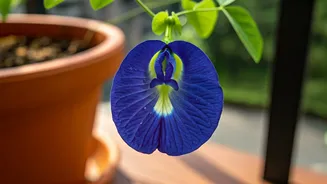

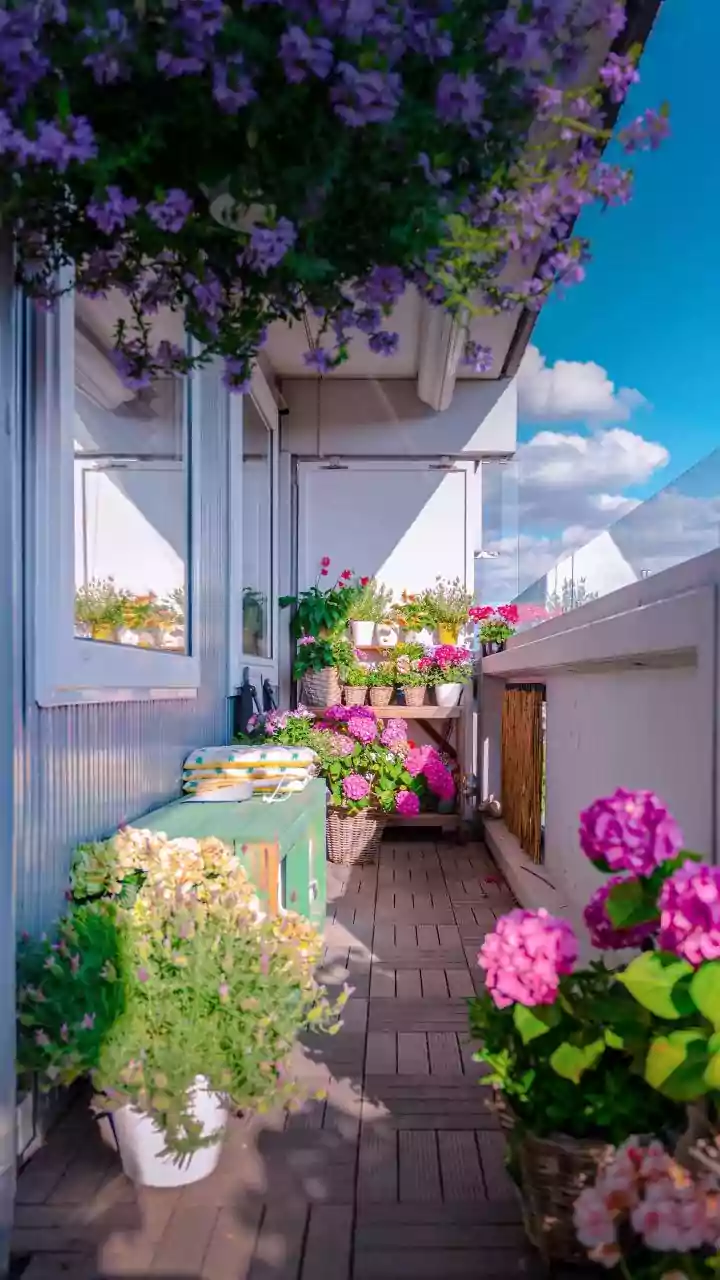

Sunlight & Spot Selection
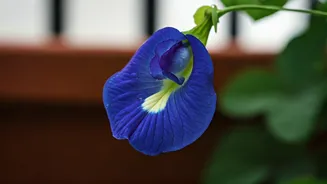
To ensure your Aparajita plant thrives and showers you with its beautiful blue flowers, positioning it in a location that receives ample direct sunlight
is paramount. This climbing vine flourishes under full sun conditions, with bright light being crucial for encouraging abundant blooming. For a balcony garden, aim to place the pot where it can bask in strong morning or afternoon sun for a significant portion of the day. Avoid areas that are perpetually in deep shade, as this will hinder its growth and flowering potential. Consistent exposure to sunlight is key to unlocking the plant's full ornamental beauty and ensuring a healthy, vibrant appearance throughout its growing season.
Potting Essentials
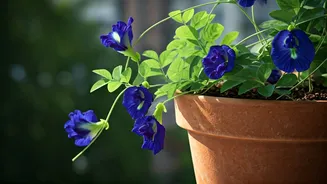
Selecting the correct pot and ensuring proper drainage are vital for a flourishing Aparajita plant. As a twining vine, it requires sufficient space for its roots to develop comfortably. A practical starting size for a container would be one that is approximately 8 to 12 inches deep and 12 to 14 inches wide. Crucially, the pot must be equipped with adequate drainage holes. Stagnant water at the root level can be detrimental, leading to root rot and significantly reducing the plant's ability to produce flowers. Ensuring good aeration and preventing waterlogging is fundamental for its overall health and productivity.
Soil Mix for Growth
The foundation of a healthy Aparajita plant lies in its soil. This plant thrives in a light, well-draining, and fertile soil mix. It prefers conditions that range from dry to slightly moist, meaning consistent watering is beneficial, but the soil should never become waterlogged or overly saturated. For a balcony pot, it's advisable to use a loose potting mix. Incorporating some compost into this mix will not only enhance its ability to retain adequate moisture but also provide essential nutrients, keeping the soil airy and nourishing the plant simultaneously. This balanced approach to soil composition supports robust root development and overall vitality.
Seed Preparation & Sowing
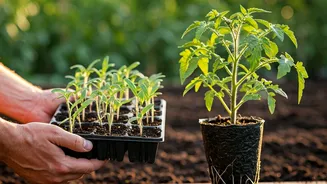
Initiating your Aparajita garden from seed is a straightforward process, though a little pre-treatment can significantly boost germination success. Before planting, it's recommended to soak the seeds in water for several hours, or even overnight. This soaking period helps to soften the tough seed coat, making it easier for the seedling to emerge. For an even quicker start, you can gently nick the surface of the seed coat before soaking. Once prepared, sow the seeds about 1 inch deep within your prepared potting mix. Ensure they are spaced adequately to prevent overcrowding of the young vines as they grow. Maintain a lightly moist soil environment after sowing, and be aware that Aparajita germinates best in warm conditions, so warmer weather typically yields better results for balcony gardeners.
Watering Wisely
While Aparajita appreciates consistent moisture, particularly during its early stages of growth, it is imperative to avoid waterlogged conditions. A mindful watering approach is essential to prevent issues like fungal diseases, which can be exacerbated by excessively wet foliage. Direct water to the soil, rather than overhead, to minimize leaf moisture. A good general guideline is to water when the top inch of soil begins to feel dry to the touch, rather than adhering to a strict daily schedule. This ensures the plant receives adequate hydration without the risks associated with overwatering, promoting healthier root systems and more prolific flowering.
Providing Climbing Support
As a natural twining vine, Aparajita requires external support to grow upright and showcase its beauty effectively. Providing a climbing structure, such as a small trellis, a sturdy wire frame, or even utilizing a balcony railing or grill, will guide its growth. Without adequate support, the vine tends to sprawl, which can result in an untidy appearance. With a simple climbing aid, however, the plant can ascend neatly, creating a more visually appealing display and maximizing its aesthetic potential in a confined balcony space. This structural assistance encourages a more organized and attractive growth habit.
Pruning for Blooms
Regular pruning plays a crucial role in maintaining the vigor and bloom production of your Aparajita plant. Strategic trimming helps to keep the vine compact and bushy, preventing it from becoming leggy and weak. Removing spent flowers, a practice known as deadheading, is highly effective in encouraging the plant to continuously produce new blooms. This redirects the plant's energy from seed production back into flowering. If you notice the vine developing excessive length, lightly trim the growing tips. This action stimulates the growth of new side shoots, leading to a fuller plant and more blossoms. Furthermore, for minor pest issues like aphids, a strong spray of water can often dislodge them, and removing infested leaves can also be effective, especially in balcony settings where immediate intervention is often sufficient.