


Diet: The Hair Foundation
Your hair follicles are incredibly active cellular factories, constantly requiring a steady supply of the right nourishment. However, the human body prioritizes
essential functions over hair growth, meaning that during dietary shortfalls, your hair is the first to suffer. Consequently, the condition of your hair serves as a direct indicator of your overall nutritional status. Understanding this connection reveals that what you eat directly translates into the vitality and growth of your strands. The science behind it is clear: without adequate fuel, these rapidly dividing cells cannot perform optimally, leading to compromised hair structure and reduced growth cycles. Therefore, a consistently balanced intake of key nutrients is paramount for maintaining strong, healthy hair, making the breakfast table your first line of defense.
Protein & Healthy Fats
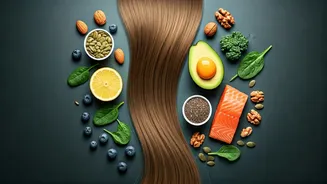
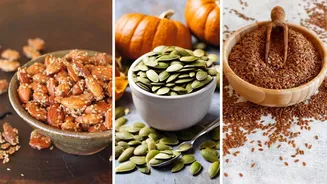
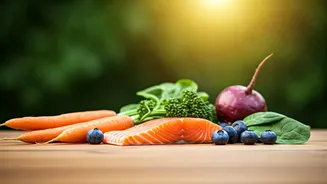
Macronutrients form the bedrock of robust hair development. Protein, the primary building block of hair in the form of keratin, is absolutely critical. Insufficient protein intake forces your body to accelerate the transition of hair from its active growth phase (anagen) to its resting and shedding phases (telogen), resulting in weaker, brittle hair and increased thinning. To combat this, incorporate ample lean meats, eggs, fish, legumes, tofu, and Greek yogurt into your diet. Equally vital are Omega-3 fatty acids, which your body cannot synthesize independently. These essential fats are indispensable for a healthy scalp, as they lubricate the sebaceous glands surrounding hair follicles, ensuring adequate sebum production for scalp moisture and silky hair. Incorporating fatty fish like salmon, alongside chia seeds, walnuts, and flaxseeds, can significantly contribute to scalp health.
Micronutrient Powerhouse
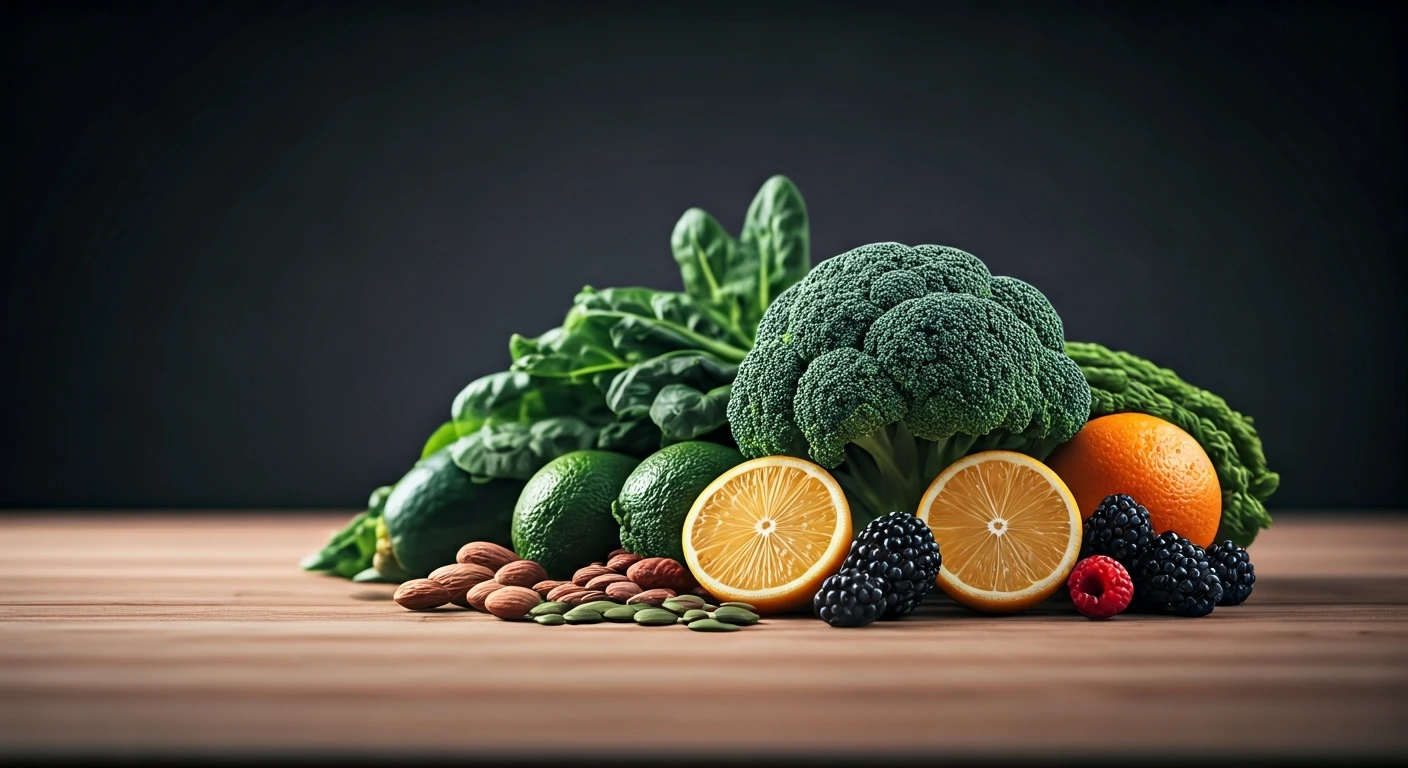
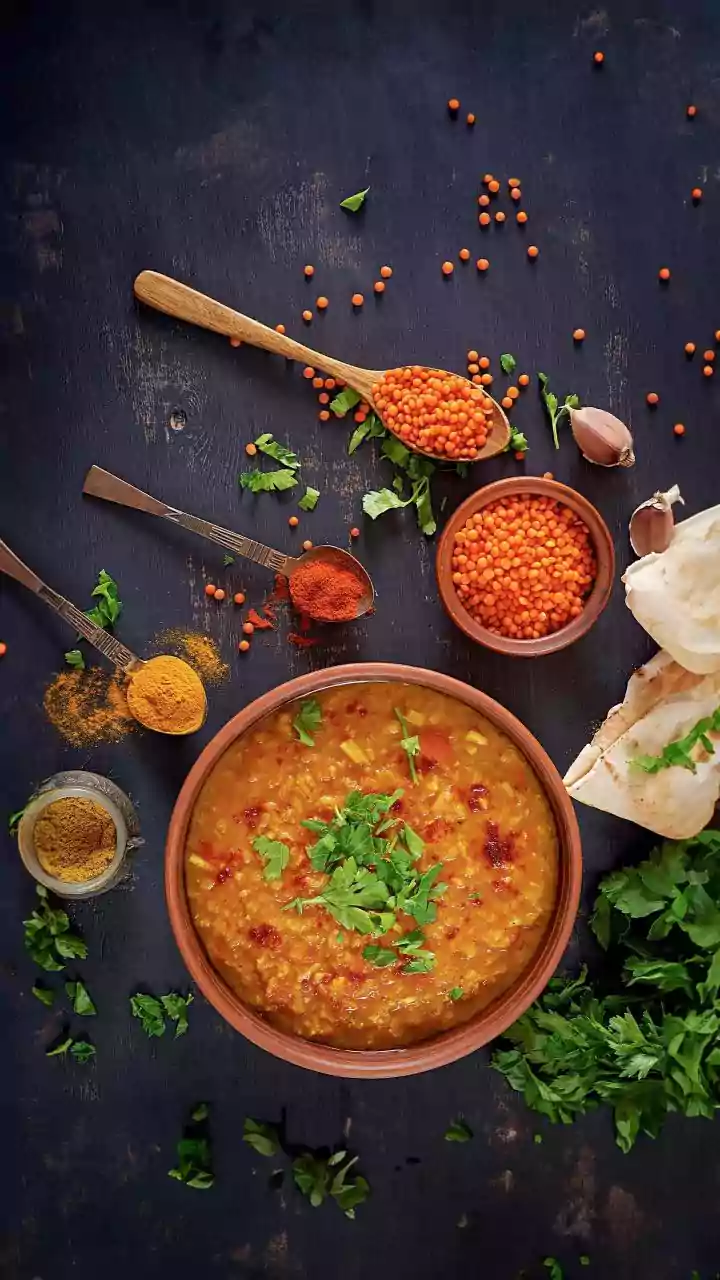
Micronutrients play indispensable roles in fostering hair health. Iron is a key player, as its presence is essential for producing hemoglobin, the protein responsible for transporting oxygen to hair roots. Iron deficiency is a prevalent cause of hair loss, particularly among women. Ensuring adequate intake through sources like spinach, lentils, and red meat is crucial. A practical tip for plant-based iron sources is to pair them with Vitamin C-rich foods, such as lemon juice, to enhance absorption. Zinc is another vital mineral that aids in hair tissue repair and maintains optimal function of the scalp's oil glands. Unexplained shedding can often be linked to zinc deficiency, making pumpkin seeds a beneficial addition to your diet. B-vitamins, especially Biotin (B7) and B12, are renowned for their role in keratin production and supporting red blood cell formation, which nourishes the scalp. Vitamin C, a potent antioxidant, protects against damage and aids collagen synthesis, preventing premature aging and breakage of hair. Furthermore, Vitamin D, obtainable through limited sun exposure or fortified dairy, is suggested to play a direct role in the development of new hair follicles.
Whole Foods vs. Supplements
Before resorting to hair supplements, it's important to understand that 'more' is not always beneficial. In fact, excessively high levels of certain nutrients, such as Vitamin A and Selenium, have been documented to cause hair loss. Scientific research consistently demonstrates that nutrients are absorbed more effectively by the body when consumed from whole foods compared to isolated, high-dose supplements. Unless a specific deficiency has been medically diagnosed through a blood test, prioritizing a balanced diet is the safest and most effective approach. Patience is also a virtue; hair growth is a gradual process, typically around half an inch per month. Consistent adherence to a nutrient-rich diet for three to six months is necessary to observe noticeable and lasting improvements in hair thickness and growth rate.