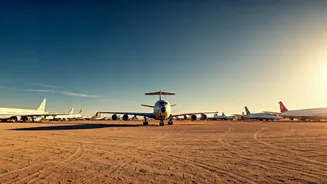







What Are Boneyards?
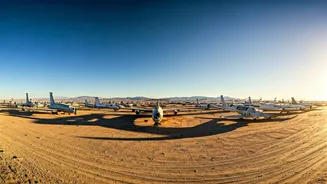
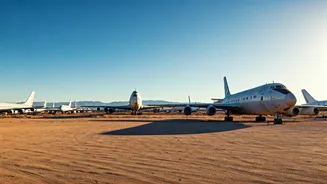
Aircraft boneyards, often referred to as graveyards, are expansive locations dedicated to storing aircraft that have been retired from active service.
Far from being mere junkyards, these sites function as crucial centers for preserving aircraft, salvaging valuable components, and managing the recycling of retired planes, encompassing everything from commercial airliners to military fighter jets. Facilities like the renowned Davis-Monthan Air Force Base in Arizona house thousands of these decommissioned aircraft, meticulously managed for various purposes. They represent a vital part of the aviation ecosystem, ensuring that valuable resources are not simply wasted but rather strategically managed for continued use or responsible disposal, thereby extending the operational life of the active fleet and contributing to cost savings within the industry.
Why Deserts Work Best
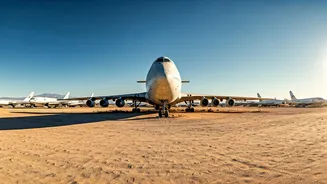
The choice of deserts as the primary location for aircraft boneyards is driven by a unique set of climatic advantages. The arid environment, characterized by low humidity and minimal rainfall, significantly slows down the natural processes of rust and degradation. This is particularly crucial for preserving the structural integrity of the aircraft over extended periods. Furthermore, the ground in many desert regions, such as the caliche soil found in Arizona, is hard-packed and stable enough to support the immense weight of parked aircraft without the need for extensive paving. This natural foundation reduces infrastructure costs and maintenance requirements. The consistent, dry heat, while harsh, minimizes the corrosive effects of moisture, allowing planes to remain in storage for decades with relatively little deterioration, making deserts an environmentally and economically sound choice for this specialized form of storage.
Arrival and Preparation
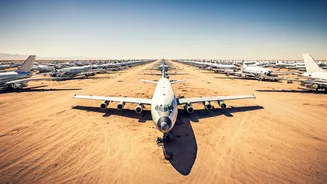
When an aircraft reaches the end of its operational life and is designated for storage, a meticulous preparation process begins. Before being parked, all fuel and operational fluids are drained to prevent leaks and minimize fire hazards. Subsequently, critical components such as engines and air intakes are carefully sealed using specialized spray-on coatings. These protective layers shield sensitive parts from the abrasive effects of dust and the damaging intensity of the sun's ultraviolet rays. The aircraft are then meticulously arranged in orderly rows, often with white, reflective covers placed over cockpits and propellers to further mitigate UV damage. Routine checks and maintenance, such as rotating tires and testing essential systems, are performed periodically, ensuring that the aircraft remain in a condition that allows for potential reactivation if the need arises during periods of high demand, such as global health crises.
Component Salvage Process
The practice of 'cannibalization' is central to the operational efficiency of aircraft boneyards. This involves the careful removal of valuable and functional components from retired aircraft for reuse on actively flying planes. High-demand parts, including engines, sophisticated avionics systems, and robust landing gear, are systematically harvested. This practice offers significant financial benefits to airlines, as acquiring these salvaged parts is substantially more cost-effective than purchasing brand-new replacements. By strategically sourcing components from decommissioned aircraft, airlines can significantly reduce their maintenance expenditures, extend the service life of their existing fleets, and maintain operational readiness without incurring the prohibitive costs associated with manufacturing or procuring new parts from scratch, thus playing a critical role in the economic sustainability of air travel.
Recycling or Revival Paths
At the ultimate end of their lifecycle, aircraft stored in boneyards face one of two primary fates: complete recycling or, in rare instances, reactivation. For planes that have reached their absolute end-of-life, a comprehensive dismantling process takes place. Materials like aluminum are melted down and repurposed for everyday items such as beverage cans, while valuable metals like titanium can find new applications, such as in the manufacturing of golf clubs. This meticulous recycling ensures that nearly every component is salvaged and given a new purpose, minimizing waste. Conversely, some aircraft, like the robust B-52 bombers, have demonstrated the possibility of being brought back into service after years of storage, highlighting the potential for revival and continued utility even after extended periods of inactivity in the desert climate.