


Ties: A Bold Statement
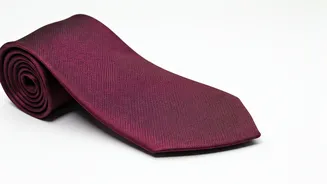
The re-emergence of ties in women's fashion isn't merely a fleeting trend but is rather a sartorial decision laden with implications. For many, ties, traditionally
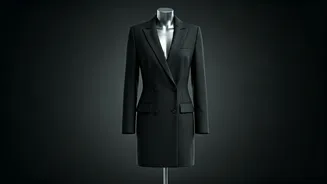
a hallmark of masculine attire, were formerly associated with rigid corporate cultures and a symbol of patriarchy. Now, however, the tie has been adopted by women, appearing on runways, in magazines, and on the streets, transforming its meaning in the process. This isn't just about wearing a tie; it is about reclaiming a symbol, challenging conventional notions, and broadcasting a sense of self-assurance. Women wearing ties often combine them with traditionally feminine pieces, producing a bold mix that defies stereotypes. This fashion choice reflects the multifaceted nature of contemporary feminism and the different modes of expression it enables. It signals a willingness to engage with the symbolic language of power and redefine it on their terms. This act of reappropriation also indicates an awareness of how fashion can serve as a conduit for more profound cultural shifts.
Fashion's Cultural Reflection
Fashion has always been a mirror reflecting societal shifts and cultural currents, and the reintroduction of ties into women's wardrobes serves as a clear indication of this. The fashion industry, responding to and sometimes driving cultural change, has incorporated the tie to signify women's growing influence. The rise of women in positions of power, from corporate boardrooms to political offices, has played a key role in the mainstreaming of this trend. When women wear ties, they project an image of authority, competence, and ambition. Furthermore, the Indian fashion scene, heavily influenced by global trends, is seeing an increase in designers and stylists who use the tie to express fresh ideas. This fashion choice also sparks conversations about the evolution of gender roles in a nation where traditional norms are being tested and redefined constantly. The tie has become a symbol of empowerment, offering women a way to express their personalities, challenge expectations, and explore their identities through clothing.
Meanings and Interpretations
Interpreting the meaning behind women’s adoption of ties needs careful consideration, because fashion statements often carry multiple layers of interpretation. The tie might be seen as a sign of solidarity with other women, a way to show unity and support. Conversely, it can also be seen as an individualistic act, a declaration of independence and self-expression. The tie's symbolism can vary based on context, styling, and individual identity. For some, the tie might be a direct challenge to the male-dominated spheres, where it was traditionally worn, while for others, it might represent a desire for inclusivity and a wish to transcend restrictive gender norms. In the Indian context, the tie's meaning is even more complex, since it has a long history and has been embraced by different cultures. The combination of the tie with traditional Indian garments can yield new interpretations, symbolizing a fusion of modernism and cultural pride. This flexibility highlights the tie's versatility and how it is used to express complex ideas about identity, power, and belonging.
The Indian Context
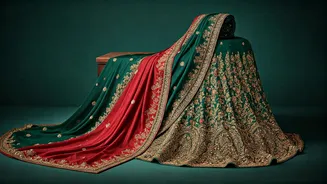
India's fashion landscape, a blend of heritage and modernity, presents a unique backdrop for the resurgence of ties. The country’s diverse society, with its varying cultural norms and values, adds layers of complexity to this trend. In urban centers, women are increasingly adopting the tie as a statement of professional and personal empowerment, echoing global trends. Conversely, in other parts of India, the tie is being incorporated into traditional attire to produce an interesting fusion of old and new. The adoption of ties in Indian fashion involves creative styling and novel cultural contexts. The tie’s interpretation also differs from region to region, becoming a symbol of self-expression in a fast-evolving social climate. Ultimately, this fashion trend reflects a broader discussion on gender roles and the rights of women in modern India. As women challenge long-held conventions and redefine their roles in society, fashion, once again, becomes a powerful tool to express their voice.