


Why Pumpkin Seed Oil?
Summer's environmental stressors, including heat and frequent washing, can compromise scalp health and lead to increased hair shedding. Pumpkin seeds offer
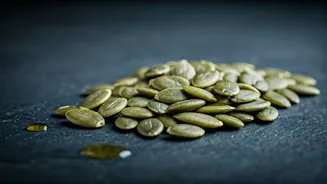
a powerful, natural solution due to their rich nutrient profile. They are particularly high in zinc, a mineral crucial for maintaining a healthy scalp environment and potentially reducing hair loss. Additionally, the seeds contain beneficial fatty acids that work to fortify hair follicles and impart a smoother, shinier appearance to the strands. An interesting aspect of pumpkin seed oil is its potential to inhibit DHT (dihydrotestosterone), a hormone commonly associated with hair thinning and loss in both men and women. By addressing these factors, pumpkin seed oil can significantly contribute to strengthening weak roots and improving overall hair vitality, especially when the scalp is already under duress from the summer climate.
Realistic Expectations
It's vital to approach any natural hair remedy with grounded expectations. Pumpkin seed oil, while beneficial, is not an overnight miracle cure for thinning hair. The results it offers are gradual and cumulative, focusing on improving the underlying health of your scalp and hair. Consistent application over time is key to experiencing its full potential. Think of it as a long-term investment in your hair's well-being rather than a quick fix. The primary benefits include a healthier scalp, a noticeable reduction in hair shedding, and the promotion of stronger, more resilient hair growth. While dramatic transformations aren't immediate, the steady improvement in hair condition and a decrease in hair fall are tangible outcomes of regular use.
Easy Oil Infusion
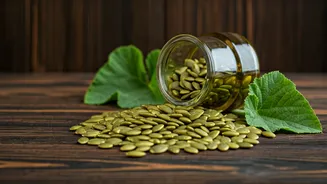
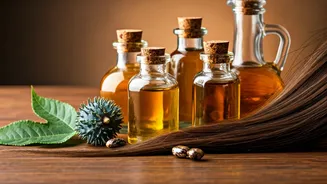
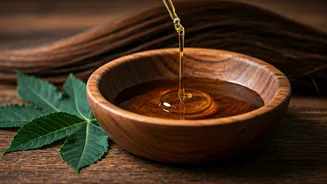
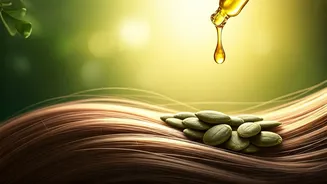
Creating potent pumpkin seed oil at home doesn't require specialized equipment; a simple infusion method yields excellent results. For a quick approach, lightly crush about 2 tablespoons of raw, unsalted pumpkin seeds to help release their nutrients. Gently heat 1 cup of a carrier oil, such as coconut oil (preferred for its light and cooling properties in summer) or olive oil, over low heat. Add the crushed seeds to the warmed oil and allow them to infuse for approximately 5 to 10 minutes, ensuring the heat remains low to prevent burning the seeds or oil. Once this brief infusion is complete, remove the mixture from the heat and let it cool entirely. After cooling, strain the oil into a clean, airtight container for storage and use. For those who prefer to avoid heat, a no-heat method involves crushing the seeds lightly, placing them in a jar with your chosen oil (coconut or almond oil are good options), and letting it steep in a cool, dark place for about a week, shaking it daily. After 5-7 days, strain the oil. Both methods are straightforward and highly effective.
Proper Application Technique
The effectiveness of pumpkin seed oil hinges significantly on its proper application. Begin by warming a small quantity of the oil slightly, ensuring it's comfortably warm and not hot to the touch. Directly apply the oil to your scalp, focusing on areas where thinning is most apparent. The next crucial step is massage; use your fingertips to gently massage the oil into your scalp using slow, circular motions for about 5 to 10 minutes. This promotes circulation and aids absorption. For maximum benefit, leave the oil on for at least one to two hours, or ideally, overnight. After the treatment period, wash your hair using a mild shampoo. To achieve optimal results, this process should be repeated 2 to 3 times per week, a frequency that is sufficient to support hair health without overwhelming the scalp.
Observed Progress Over Time
Patience and consistency are key to observing the positive effects of pumpkin seed oil. Within the first couple of weeks of regular use, you might notice your scalp feeling less dry and irritated, with your hair beginning to feel softer to the touch. By the third to fourth week, many individuals report a reduction in hair fall, and the scalp generally feels healthier. After a month or two of continued application, you may begin to see the emergence of fine baby hairs in previously thinning areas, provided the hair follicles are still viable. The overall texture and resilience of your hair are also likely to improve. While these changes are not drastic overnight, they represent a significant and noticeable enhancement in hair health and density over time.
Summer-Specific Benefits
Summer presents unique challenges to scalp health. Increased sweat can lead to clogged pores, while the sun's UV rays and more frequent washing can strip natural moisture, weakening hair roots. Pumpkin seed oil is particularly well-suited to address these summer-induced issues. It provides essential nourishment to the scalp without feeling heavy or greasy, especially when used in the correct dosage. When combined with a lighter carrier oil like coconut oil, it also imparts a pleasant cooling sensation, which can be very soothing to an overheated scalp during hot weather. This balancing act helps maintain a healthier scalp environment, which is fundamental for robust hair growth, even when temperatures are soaring.
Common Application Pitfalls
Many individuals seeking natural hair solutions often abandon their efforts too soon or apply them incorrectly, hindering their potential benefits. A common mistake is expecting rapid results, such as significant hair growth within a single week, which is unrealistic for most natural treatments. Inconsistency in application is another major deterrent; failing to use the oil regularly as recommended will prevent the cumulative effects from manifesting. Using an excessive amount of oil can also be counterproductive, potentially weighing down the hair and clogging pores. Furthermore, it's important not to neglect the role of scalp massage, as it significantly enhances the oil's absorption and effectiveness. Lastly, overlooking dietary factors can limit the overall success of any topical treatment.
Dietary Foundations Matter
The efficacy of topical hair treatments like pumpkin seed oil is significantly amplified when supported by a balanced internal diet. Even the most beneficial oil will struggle to promote healthy hair if your nutritional intake is inadequate. Prioritize incorporating nutrient-dense foods into your daily meals. This includes a variety of nuts and seeds, leafy green vegetables, lean protein sources such as eggs, lentils, and paneer, and a generous amount of fresh fruits. Consistently consuming pumpkin seeds themselves can also contribute positively to hair health. Pumpkin seed oil should be viewed not as a standalone magic potion but as a complementary element within a holistic approach to hair care, which inherently includes a nutritious diet for the best possible outcomes.