
Current Fashion Trends
Fashion is an ever-changing landscape where new trends constantly emerge, reflecting cultural shifts and innovative designs. One of the most prominent
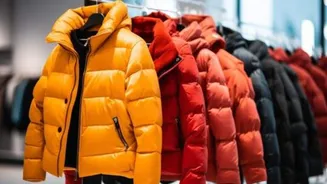
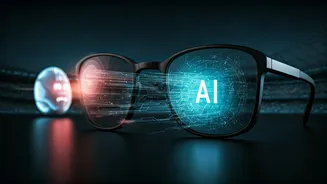
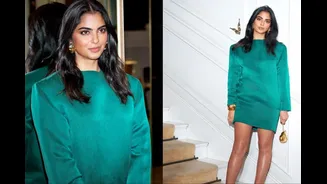
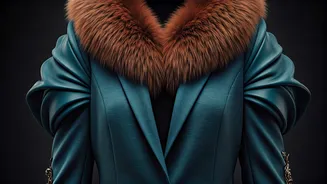
trends is the embrace of oversized silhouettes, often seen in coats, sweaters, and blazers, promoting comfort and a relaxed style. Bold colours continue to dominate, with vibrant hues like fuchsia, electric blue, and sunshine yellow making a statement. Alongside these bold choices, minimalist aesthetics remain popular, focusing on clean lines, neutral palettes, and timeless pieces. Another significant trend is the rise of upcycled and repurposed clothing, showcasing creativity and a commitment to reducing waste. The integration of technology is also transforming fashion, with wearable tech, digital fashion, and virtual try-on experiences gaining traction. Furthermore, the influence of streetwear continues to impact high fashion, with collaborations and designs blurring the lines between casual and luxury wear. Ultimately, these diverse trends highlight the multifaceted nature of contemporary fashion, where personal expression and environmental consciousness play equally important roles.
Timeless Style Essentials
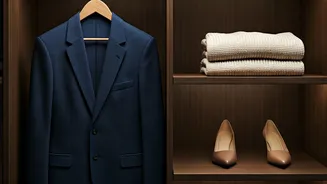
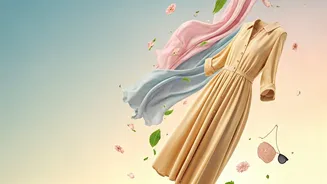
While trends come and go, some styles remain eternally fashionable, embodying sophistication and enduring elegance. A classic trench coat is a wardrobe staple, adaptable for various seasons and outfits. A well-tailored blazer adds polish to any ensemble, from professional settings to casual outings. A crisp white shirt is a versatile piece that can be dressed up or down, offering endless styling possibilities. The perfect pair of dark-wash jeans is essential, providing comfort and a foundation for many looks. A little black dress (LBD) is an iconic piece, offering an elegant solution for formal events. A high-quality leather handbag adds both practicality and style, and a simple cashmere sweater offers both comfort and luxury. Elegant pumps or classic loafers provide the perfect finishing touch. These elements collectively form a foundational wardrobe, allowing individuals to navigate fashion with ease and timeless flair.
Sustainability in Fashion
The fashion industry is undergoing a crucial transformation as sustainability becomes a central concern. The environmental impacts, including water usage, textile waste, and carbon emissions, are driving the need for change. Sustainable practices involve using eco-friendly materials such as organic cotton, recycled polyester, and innovative fabrics like those made from food waste or agricultural byproducts. Brands are adopting circular fashion models, focusing on the reuse, repair, and recycling of garments to reduce waste. Transparency and ethical production are critical, requiring companies to disclose their supply chains and ensure fair labor practices. Supporting slow fashion, which prioritizes quality over quantity, encourages consumers to invest in durable and timeless pieces. Fashion rental and resale platforms are gaining popularity, offering alternatives to fast fashion. Educating consumers about the impacts of their choices and promoting responsible consumption are vital steps. Ultimately, a sustainable future in fashion requires a collective effort, merging style with environmental responsibility for a healthier planet and a more equitable industry.
Styling Tips & Tricks
Mastering personal style involves understanding key elements and applying them effectively. Building a versatile wardrobe starts with investing in core pieces that can be mixed and matched to create diverse outfits. Consider your body shape and personal preferences when choosing clothing, prioritizing fit and comfort. Experimenting with different colours and patterns can elevate your style; mixing textures adds dimension to your looks. Accessorizing can transform an outfit: a scarf, a statement necklace, or a well-chosen bag can add individuality. For visual balance, understanding proportions is essential. Pay attention to the fit of your clothes, ensuring they complement your figure. Keep your style evolving: read fashion blogs, follow influencers, and experiment with different trends. Remember that style is about confidence and self-expression, enabling you to embrace your individuality and create a wardrobe that reflects your personal journey.
Future of Fashion
The fashion industry is continually shaped by innovation and social change, pointing to a dynamic future. Technology will likely transform various aspects of the industry, from design and production to retail and consumer engagement. Artificial intelligence (AI) will play a more significant role in forecasting trends, creating personalised shopping experiences, and optimizing supply chains. 3D printing could allow for on-demand clothing production and customized fits, reducing waste and lead times. Virtual and augmented reality (VR/AR) will enhance the shopping experience, enabling consumers to try on clothes virtually. Collaboration between fashion brands and technology companies will become more common, leading to new product categories. Sustainability will continue to drive innovation, with brands focused on developing eco-friendly materials and circular business models. Socially conscious fashion will gain prominence, focusing on ethical sourcing, fair labor, and inclusive design. The future of fashion promises to be innovative, sustainable, and reflective of a rapidly evolving world.