






The Silent Threat
Diabetes, while often associated with heart, kidney, and nerve issues, poses a significant and frequently overlooked threat to your vision. The disease's
progression can silently compromise the intricate network of blood vessels within your retina. This damage doesn't manifest suddenly but develops gradually, often without noticeable pain or symptoms, making early detection and intervention paramount. Dr. Nusrat Bukhari, an ophthalmologist at Apollo Spectra Hospital, emphasizes that diabetes impacts not just major organs but also the eyes, a crucial point often forgotten until vision problems arise. The slow, insidious nature of this damage means that by the time symptoms become apparent, the condition may be considerably advanced and more challenging to treat effectively, underscoring the importance of proactive eye care for individuals managing diabetes.
Inside the Diabetic Eye
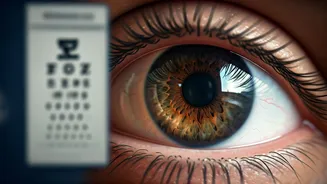
Your eye functions much like a camera, with the retina acting as the film that captures light and converts it into signals sent to the brain. This vital layer is densely populated with a network of minuscule, sensitive blood vessels. When blood glucose levels remain elevated over extended periods due to diabetes, these delicate vessels begin to weaken. They can swell, develop leaks, or even become obstructed. In response to this damage, the body may attempt to generate new blood vessels, but these are often abnormal and fragile, leading to further complications. This entire process is termed diabetic retinopathy, a leading cause of vision impairment globally, as reported by the National Eye Institute. This condition, alongside cataracts and glaucoma, can severely impact sight, with the primary danger lying in the absence of early warning signals.
Consequences of Unmanaged Diabetes
When diabetes goes unchecked, it creates a cascade of ocular problems, rarely confining its damage to a single issue. It significantly increases the risk of developing several serious eye conditions. Diabetic retinopathy, characterized by compromised blood vessels in the retina, directly affects visual clarity. Diabetic macular edema occurs when fluid accumulates in the retina, causing swelling and distorted vision. Cataracts, a clouding of the eye's lens, can also develop prematurely in individuals with diabetes. Furthermore, glaucoma, a condition where pressure builds within the eye, can damage the optic nerve, leading to irreversible vision loss. Dr. Bukhari highlights that unmanaged diabetes is a direct pathway to these conditions, noting a concerning rise in diabetes-related eye diseases in urban India, particularly among those over 40. Consistent blood sugar management, regular screenings, and a healthy lifestyle are key to preventing or delaying such vision-threatening complications.
The Stealthy Onset of Symptoms
The insidious nature of diabetic eye disease lies in its subtle progression, often going unnoticed for prolonged periods. Many individuals feel perfectly healthy until the condition has advanced significantly. When symptoms eventually do emerge, they can be varied and may include a persistent blurring or fluctuation in vision, the appearance of dark spots or floaters in the field of vision, difficulties with seeing in low light conditions, or sudden, noticeable changes in eyesight. Dr. Bukhari cautions that the lack of early, apparent symptoms can lead to considerable panic, stress, and anxiety once the problem is identified. Research further indicates that a substantial portion of individuals with diabetic eye disease remain unaware of their condition in its nascent stages, emphasizing the critical need for regular, proactive eye examinations.
The Body's Chain Reaction
Diabetes seldom acts in isolation; it often triggers a complex chain reaction of physiological responses that exacerbate its impact. Elevated blood sugar levels are the primary culprits, directly damaging the delicate blood vessels throughout the body, especially those in the retina. This damage is frequently compounded by other common co-morbidities associated with diabetes. High blood pressure exerts additional strain on these already compromised vessels. High cholesterol can thicken the blood, impeding its flow and further stressing the vascular system. The habit of smoking critically reduces the oxygen supply to vital tissues, including the eyes. Combined, these factors create an optimal environment for the development and progression of severe eye damage. Dr. Bukhari explains that while high blood sugar directly impacts retinal vessels, leading to leakage and abnormal growth, the interplay of these additional health concerns dictates the ultimate severity of the eye condition for each individual.
Proactive Vision Preservation
Fortunately, the vast majority of vision loss associated with diabetes is preventable or can be significantly delayed through diligent and consistent self-care. Embracing a few key lifestyle adjustments can make a profound difference in safeguarding your eyesight. Maintaining blood sugar levels within the recommended target range is paramount. This involves regular monitoring, ideally every 2–4 weeks, and tracking your HbA1c levels every three months to assess long-term glucose control. Prioritizing a diet rich in fresh, fiber-filled foods over processed options is crucial. Engaging in approximately 45 minutes of physical activity daily is highly beneficial. Incorporating stress management techniques such as yoga or breathing exercises can also play a supportive role. Crucially, scheduling an annual comprehensive eye examination with an ophthalmologist is essential, even if your vision appears perfectly normal, to catch any potential issues in their earliest stages.