





A Tale of Two Sambars
The beloved lentil stew, sambar, is a staple across South India, but its preparation and taste vary dramatically from region to region. This divergence
is not merely a matter of preference but is deeply rooted in local culinary traditions and how the dish is integrated into meals. A recent social media exchange highlighted this, pitting the widely appreciated Bengaluru style against its Chennai counterpart. While the debate may have started with a lighthearted comment about a cricket match, it opened the door to a fascinating discussion about the intricate flavors and textures that distinguish these two iconic variations. Experts explain that these differences are largely shaped by regional palates and the specific ingredients emphasized in each locale, making each sambar a unique reflection of its origin.
Bengaluru's Sweet Embrace
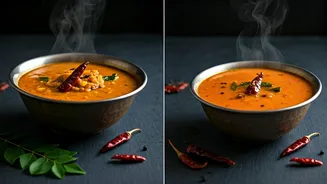
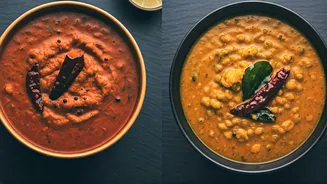
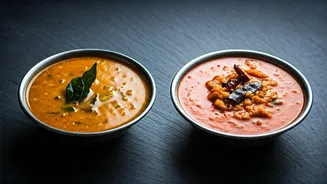
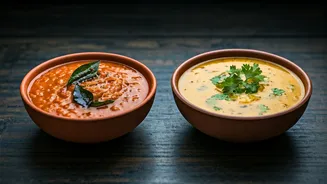
In Bengaluru and across the wider Karnataka region, sambar typically presents a comforting, slightly thicker consistency. A hallmark of this style is a subtle sweetness, often achieved through the addition of jaggery. The spice blend is generally robust, designed to complement the textures of accompanying dishes like idlis, vadas, and dosas. Chefs highlight that the flavor profile is carefully constructed to harmonize with these breakfast and tiffin items. Furthermore, Bengaluru sambar often incorporates a generous variety of vegetables and may feature freshly ground spice pastes, contributing to its layered and aromatic character. This approach creates a richer, more rounded taste experience, making it a beloved choice for many.
Chennai's Tangy Kick
Contrastingly, sambar in Chennai and much of Tamil Nadu tends to be more fluid in its consistency. It is characterized by a more pronounced tanginess, largely attributed to a more generous use of tamarind, and a sharper, more assertive spice profile. This style is frequently served as an integral part of a full meal, especially with rice, necessitating a flavor balance that cuts through the richness of the grains. While Chennai sambar might highlight a single primary vegetable like drumstick, brinjal, or pumpkin, its defining feature remains its piquant and zesty nature. The careful calibration of tamarind and spices results in a cleaner, more direct flavor that appeals to those who enjoy a bolder taste experience.
Historical Roots and Culinary Evolution
The distinct regional variations of sambar can be traced back to historical influences, including the Thanjavur-Maratha reign. Legend suggests that sambar originated when Chhatrapati Sambhaji Maharaj visited the Thanjavur court. A royal cook, unable to find kokum for a traditional preparation, substituted it with tamarind and added vegetables, creating a lentil stew that was subsequently named in the king's honor. Over centuries, this foundational dish evolved. While both styles share this legendary origin, the culinary philosophies of Bengaluru and Chennai have shaped their development. Bengaluru's preference for a sweeter, multi-vegetable preparation with freshly ground masalas contrasts with Chennai's focus on a tangier, spicier profile, often with a single vegetable and a more precise spice blend, reflecting centuries of regional adaptation.
The Art of Spices and Ingredients
The divergence between Bengaluru and Chennai sambar is further accentuated by the specific methods of spice roasting and the precise ratio of lentils to liquid. Experts note that while both cuisines draw from a common set of ingredients, the emphasis and preparation techniques differ significantly. In Chennai, the sambar powder and the timing of tamarind addition are crucial for achieving its characteristic sharp and tangy flavor. In Bengaluru, the use of freshly ground masala builds depth and complexity, leading to a more aromatic and comforting taste. These differences, though subtle, profoundly impact the overall mouthfeel and aftertaste, demonstrating how local preferences and cooking methodologies sculpt a universally loved dish into distinctly regional favorites.