

The Unseen Damage
Over time, our beloved rugs can appear to age prematurely, developing flattened patches in high-traffic areas like the path from the door to the couch
or a hallway. This wear isn't due to magic; it's a direct consequence of consistent footfall. Each step, whether from shoes, boots, or bare feet, exerts pressure that compresses the rug's fibers. This repeated compression in the same spots accelerates the flattening process far more quickly than one might anticipate. The good news is that a straightforward practice, often overlooked, can dramatically counteract this effect before delving into the solution. It's crucial to first grasp the underlying mechanics of how our daily movements contribute to this gradual deterioration of our floor coverings. The constant friction and pressure leave an indelible mark, turning vibrant fibers into a dull, matted surface in concentrated zones.
Underlying Forces at Play
Many are unaware of the extent to which ordinary walking impacts their carpets. Research indicates that persistent foot traffic not only causes physical wear on flooring but also diminishes its slip resistance – the very friction that prevents us from sliding. As tiny particles from shoe soles are ground into the fibers, they contribute to their breakdown. This isn't solely about fiber integrity; studies on indoor air quality, such as one published in Atmospheric Environment, have revealed that foot traffic can cause airborne particle levels in carpeted hallways to fluctuate by up to 90%. Each footstep stirs up settled dust and debris, which then acts like microscopic sandpaper, abrading the carpet fibers from within. This dual action of physical compression and abrasive debris significantly shortens a rug's intended lifespan and impacts the air we breathe within our homes.
Uneven Wear Patterns
The wear on a rug is rarely uniform. The most pronounced damage typically occurs in the specific pathways we traverse daily. Consider the habitual route from your sofa to your television in the living room, or the well-trodden strip in a busy hallway; this repetitive motion is the primary culprit behind concentrated wear. The type of footwear also plays a significant role. Heavier shoes with less flexibility exert greater pressure with each step, meaning that sturdy hiking boots or bulky sneakers are considerably harsher on rugs than soft slippers. This disparity in pressure results in uneven flattening. While the central portion of your rug might still look relatively new, the areas subjected to constant movement can appear significantly more aged and worn out, creating a stark visual contrast across the entire piece.
The Simple Rotation Solution
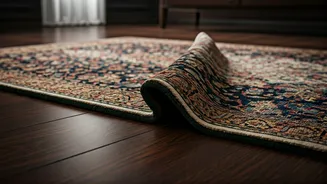
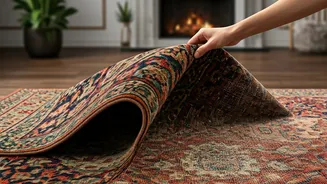
Here lies the simple yet effective remedy: regularly rotating your rug. This practice involves repositioning the rug, flipping it, and swapping its location to redistribute the impact of foot traffic. By doing so, the worn-out sections get a much-needed respite, allowing fresh, less-abraded areas to take their place. This cyclical rotation ensures that wear is spread out evenly across the entire rug, preventing any single area from deteriorating prematurely. The frequency of this rotation is directly tied to the room's traffic levels. Rugs in high-traffic areas like entryways or living rooms should ideally be rotated every three months, while those in less frequented spaces, such as bedrooms or quiet reading nooks, can be rotated every six months. This simple act of moving your rug can dramatically prolong its life and maintain its aesthetic appeal.
Complementary Care Practices
For optimal results, rug rotation should be combined with a few complementary maintenance habits. Regular vacuuming is essential, not just for cleanliness, but because trapped dirt and grit act as internal abrasives, accelerating fiber wear. Removing this debris actively slows down the deterioration process. Investing in a good rug pad is also highly beneficial. An underpad provides cushioning, absorbing the impact of each step and thereby reducing the pressure that leads to fiber flattening. If feasible, encouraging household members and guests to wear softer footwear indoors can also make a significant difference. While this might be challenging to enforce consistently with visitors, it undeniably helps your rug retain its texture and integrity for a longer period.