






Nature's Ancient Hair Care
For centuries, indigenous Hawaiians have tapped into the remarkable hair-enhancing properties of a tropical plant known as Awapuhi, scientifically named
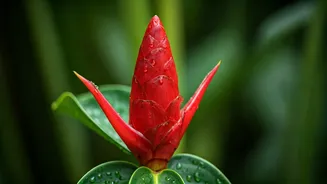
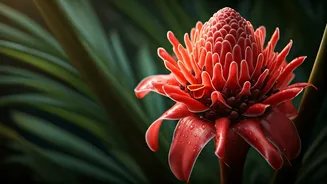
Zingiber zerumbet. Long before modern haircare products lined store shelves, this unique botanical served as a natural cleanser and conditioner. Its striking, pinecone-like red flower heads hold a treasure trove of clear, fragrant sap. This sap is now gaining widespread recognition as a potent, all-natural alternative for hair cleansing, challenging conventional beauty routines and highlighting the power of ancient botanical wisdom in contemporary hair care.
Harvesting The Gooey Goodness
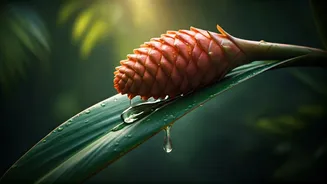
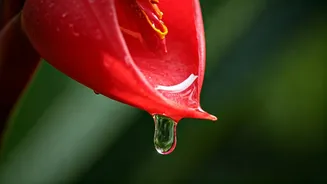
The captivating secret to Awapuhi's hair benefits lies within its mature, vibrant red flower cones. These cones are formed from overlapping bracts, concealing pockets brimming with a clear, sweet-smelling, gel-like sap. Harvesting this natural treasure is surprisingly sustainable; a gentle squeeze on the mature cone releases the liquid, much like water from a sponge, without harming the plant. Remarkably, the cone regenerates its sap supply within a couple of days, allowing for repeated, eco-friendly harvesting. Once collected, the sap is typically strained through a fine-mesh sieve or cheesecloth to remove any impurities like dirt or tiny insects, ensuring a pure, clean extract for use. To preserve this fresh extract, which has a short shelf life, a clever tip is to freeze it in ice cube trays, allowing for easy access to a ready-to-use hair treatment whenever needed.
Versatile Hair Treatments
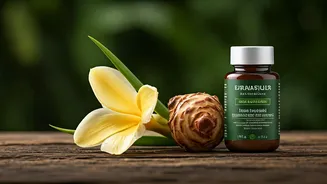
Shampoo ginger's naturally derived sap offers an incredibly versatile approach to haircare, catering to various needs. For a gentle cleanse, simply apply the wet sap directly to your scalp and massage; while it won't produce a heavy lather like commercial shampoos, it effectively cleanses hair, leaving it feeling refreshed. To boost hydration, use the sap as a deep conditioner by applying it from roots to ends after washing, letting it sit for three to five minutes before rinsing. For managing frizz, a small amount of the sap applied to damp, towel-dried hair and then air-dried can work wonders, providing a natural hold and a subtle ginger-lily fragrance without any stiffness. Even dry or irritated scalps can benefit; massaging the sap into dry roots for 10-15 minutes as a pre-wash treatment can offer soothing relief.
The Science of Silky Hair
The effectiveness of shampoo ginger is rooted in its potent botanical compounds. Its sap is rich in saponins, which are natural plant-based surfactants. These gentle agents create a mild foam that efficiently binds to dirt and excess oil, cleansing the scalp without stripping away the hair's essential protective natural oils. Furthermore, the extract contains zerumbone, a powerful compound celebrated for its significant anti-inflammatory and antimicrobial properties. This makes it an excellent ally for combating scalp itchiness and addressing microbial imbalances that can lead to dandruff. The sap's characteristic slippery texture is attributed to natural mucilage, a substance that acts as a film-forming agent. This mucilage coats each hair strand, effectively sealing in moisture and smoothing the hair cuticle, resulting in exceptionally soft, lustrous hair with noticeably reduced frizz.