
Celebrity Style Impact
Celebrity influence continues to play a pivotal role in dictating fashion trends. When individuals in the spotlight, like athletes or actors, make public
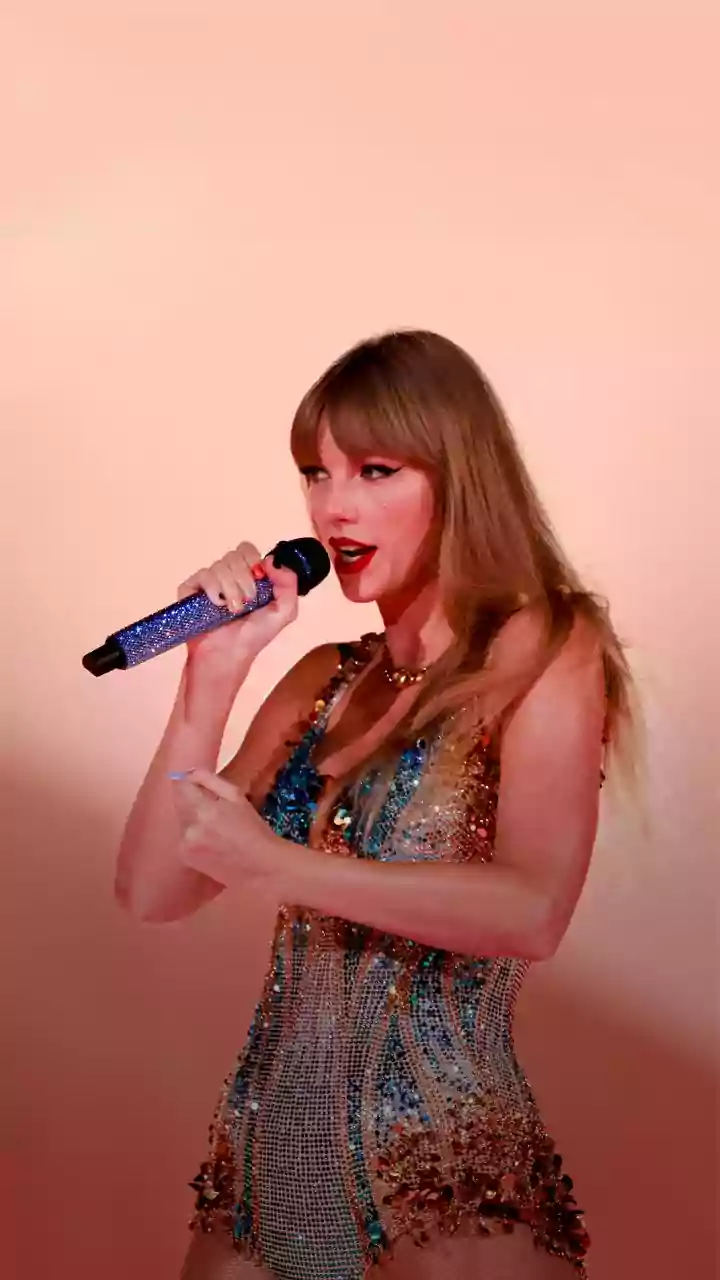
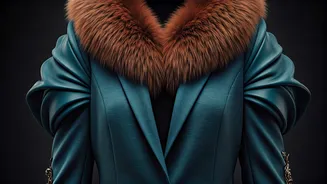
appearances, the clothes they wear instantly capture attention, influencing the styles and brands that people choose. For instance, the outfits donned by Taylor Swift or the sports gear worn by athletes like Travis Kelce become instant talking points, driving sales and boosting visibility for specific designers and brands. The choices made by public figures, whether on the red carpet or during casual outings, serve as a constant source of inspiration, defining what is considered fashionable. This phenomenon highlights how powerful celebrity endorsements and public appearances are in the fashion industry and its trends, affecting consumer behaviour and fashion market dynamics.
Fashion Trend Forecasts
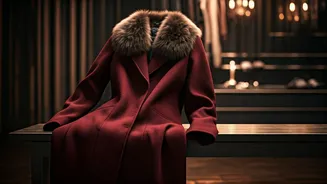
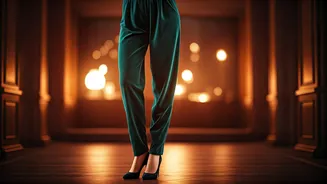
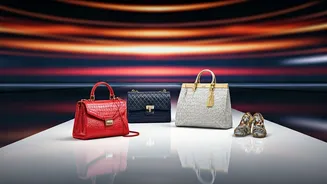
Fashion trends are cyclical, with past styles frequently resurfacing in updated forms. Examining current forecasts shows a preference for blending comfort with sophistication. There's a noticeable increase in incorporating sustainable materials and practices, reflecting a broader consciousness of environmental issues. These trends also include minimalist designs that focus on timelessness and versatility, allowing wearers to mix and match various wardrobe pieces. Additionally, there is a rise in inclusive fashion, promoting diverse body types and embracing a broader definition of beauty. The fashion world continuously balances novel innovations with the evolution of existing trends, which allows it to accommodate diverse tastes and values.
Lifestyle Influencers Today
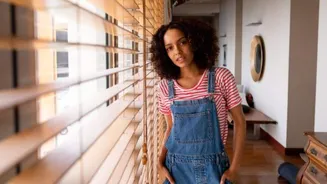
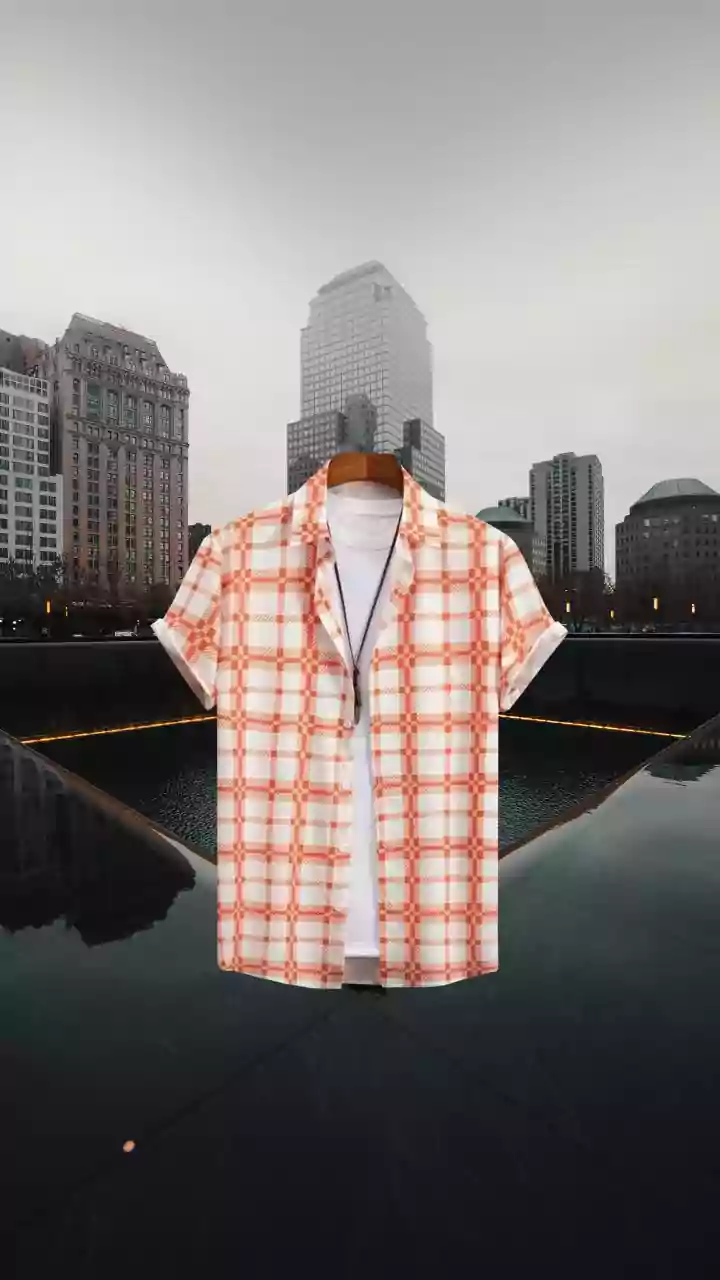
The role of lifestyle influencers is becoming increasingly significant in influencing consumer choices and shaping cultural norms. These digital personalities curate content around a spectrum of topics, from travel and wellness to personal finance and home decor, connecting with sizable audiences across various platforms. They are perceived as relatable and approachable, making them trusted sources of product recommendations and style advice. Through their carefully crafted content, influencers help introduce new brands and offer insights into various aspects of lifestyle. This dynamic is transforming how brands interact with their target audiences, as companies move towards collaborations to capitalize on the authenticity and reach of influencers. The influencer economy highlights the potent combination of social media engagement and the power of individual endorsements, reshaping how lifestyles are perceived and celebrated.
Fashion and Culture Fusion
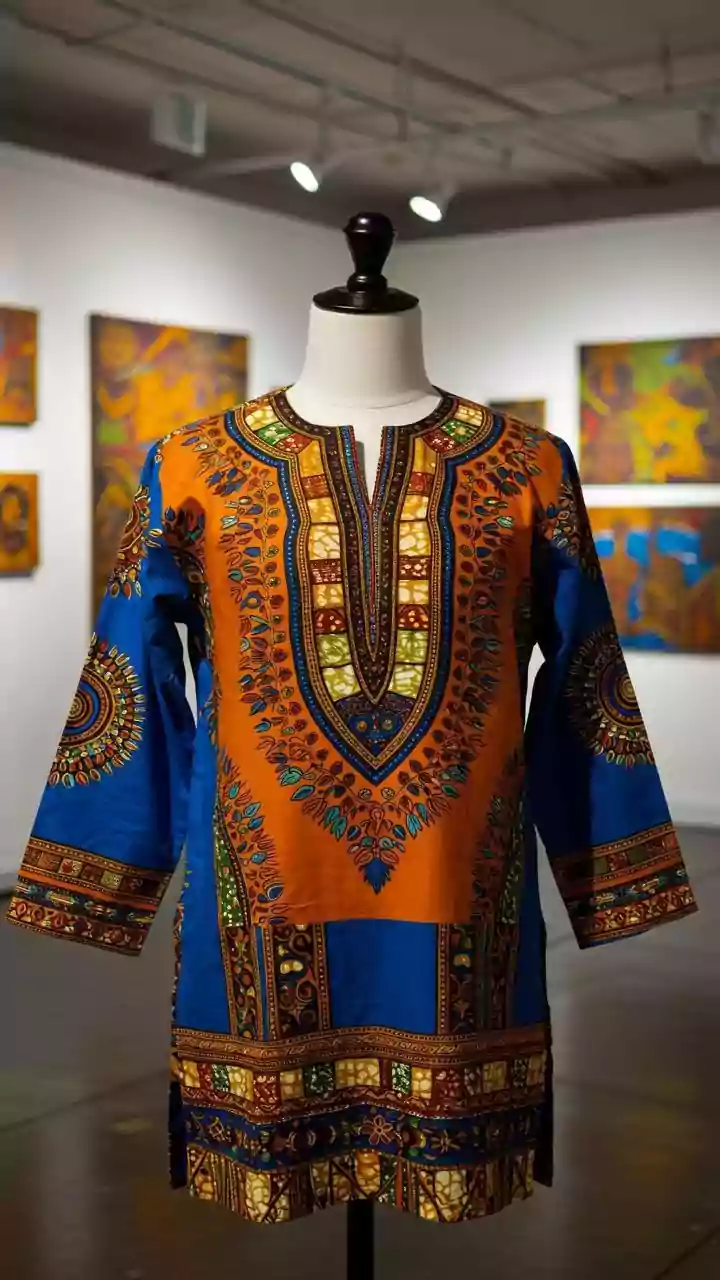
Fashion and culture are closely intertwined, with cultural events, artistic movements, and societal changes all affecting style. Fashion designers frequently draw inspiration from various cultures, incorporating traditional patterns, fabrics, and silhouettes into modern designs. For instance, the use of vibrant colours or geometric patterns may pay homage to particular cultural traditions. Likewise, major events like music festivals and film premieres heavily influence fashion trends. Societal shifts, such as the increased focus on sustainability or inclusivity, also have a significant impact on fashion. This fusion of cultural expressions and style highlights fashion's role as a mode of self-expression. Fashion also serves as a visible representation of community values and evolving social norms, thereby becoming an ever-changing mirror of society.
Looking Ahead: Trends
Fashion and lifestyle trends continuously evolve, with current indicators pointing to future shifts. Sustainability is expected to become an even greater concern, with more designers and consumers leaning towards eco-friendly materials and ethical manufacturing processes. We can anticipate greater integration of technology and fashion through wearable tech and personalized shopping experiences, allowing consumers to express their individuality. Moreover, fashion may move towards more gender-neutral styles and body-positive marketing to emphasize diversity. Simultaneously, there will be a continued importance on practicality, with more comfortable and adaptable clothing choices. In the long term, fashion will remain an ongoing interplay of creativity, technology, and social values, making the industry both dynamic and reflective of changes happening throughout the globe.