







The Rise of Comfort Beverages
In the digital age, a fascinating trend has emerged where young adults, particularly Gen Z, are increasingly turning to specific beverages as sources of
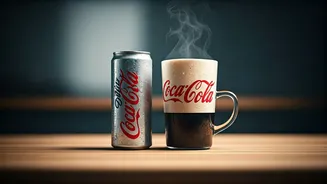
emotional comfort and stability. These 'emotional support' drinks, ranging from elaborately prepared coffees and teas to popular soft drinks like Diet Coke, transcend mere refreshment. They represent carefully cultivated rituals, tangible anchors in a fast-paced world, and a deliberate method for managing stress and anxiety. This phenomenon, widely showcased on social media platforms, highlights a generation that openly discusses mental well-being and actively seeks accessible, personalized strategies for self-soothing. The act of selecting, preparing, and savoring these drinks provides a much-needed moment of mindfulness, offering a pause and a sense of personal control when external circumstances feel overwhelming or unpredictable. This trend underscores a broader societal shift towards acknowledging and addressing mental health needs through everyday practices.
Psychological Roots of Support Drinks
From a psychological standpoint, the concept of an 'emotional support' drink is rooted in fundamental human needs for comfort, predictability, and routine, especially when individuals face stress or feel overwhelmed. As clinical psychologist Dr. Rimpa Sarkar explains, these beverages function as symbolic coping tools—familiar, readily available, and offering immediate sensory gratification. Whether it’s the warmth of coffee, the sweetness of a flavored soda, or the unique taste of a particular tea, these drinks provide a tangible sense of control amidst emotional volatility. This phenomenon is also intertwined with broader societal influences, including heightened awareness of mental well-being and the pervasive impact of digital connectivity on social interactions. These drinks serve as a small, controllable indulgence that can offer a much-needed sense of agency and pleasure in daily life. The visual appeal, often enhanced by elaborate preparations and aesthetic presentation, further amplifies their role, making them highly shareable content that solidifies their cultural significance.
Ritual, Identity, and Soothing
The significance of 'emotional support' drinks extends beyond immediate comfort; they are deeply intertwined with personal identity and the creation of stabilizing rituals. For individuals like advertising executive Joshua Thakur, his morning pour-over is a non-negotiable start to a hectic day, serving as a reward for completing tasks and a vital tool for overcoming afternoon slumps. Similarly, Shivasree Venkateswaran finds her daily filter coffee to be a grounding ritual, evolving from a family tradition into a crucial element for focus and tension relief during her workday. These routines provide predictability, which can be incredibly calming for the nervous system, signaling familiarity and order. The sensory engagement—holding a warm mug, savoring a specific flavor, and consciously slowing down—also acts as a grounding mechanism, bringing attention to the present moment. Furthermore, claiming a drink as an 'emotional support' beverage is a way of acknowledging personal stress while normalizing self-soothing behaviors in a socially acceptable manner, making it a defining aspect of their personal identity and coping repertoire.
The Sober-Curious Generation
An interesting facet of this trend is Gen Z's embrace of the sober-curious movement, which contrasts with previous generations' association of social interaction and fun with alcohol. Unlike Millennials who normalized social drinking, Gen Z prioritizes personal well-being, effectively challenging the notion that 'drinking equals fun.' This shift is supported by statistics: a 2024 UK study indicated that consumers aged 20-24 are significantly less likely to spend on alcoholic beverages than previous generations, leading to Gen Z being dubbed 'the soberest generation.' In 2023, only 18-20 percent of Americans under 28 reported regular alcohol consumption. This inclination towards sobriety makes 'emotional support' drinks a clean and accessible alternative for managing life's challenges. For instance, PR professional Aaditya Sharma chooses Appy Fizz not for its caffeine but for its consistent flavor and reliability when everything else feels uncertain, consciously opting for non-alcoholic avenues to de-stress rather than forming potentially harmful habits associated with alcohol.
Social Media's Amplifying Role
Social media platforms, particularly TikTok, have played a significant role in amplifying and popularizing the 'emotional support' drink trend, transforming individual coping mechanisms into relatable, shareable content. The visual appeal of elaborately prepared beverages, coupled with personal anecdotes about their comforting effects, creates a shared language and culture around stress management and self-care. This online visibility not only validates these practices but also fosters a sense of community among young adults facing similar pressures. Memes, reels, and videos detailing 'withdrawal symptoms' during shortages, like the one experienced with Diet Coke due to geopolitical events, further highlight the emotional attachment and perceived necessity of these drinks. While these habits offer temporary relief and are a form of 'micro-coping' in high-stress environments, it's crucial to recognize their role as surface-level mechanisms. As Dr. Sarkar notes, these trends reflect a genuine search for accessible, non-overwhelming ways to regulate emotions in contemporary life, with social and cultural reinforcement playing a key part in their widespread adoption and perceived legitimacy.