






Vegetarian Food Challenges
Adjusting to Japan's culinary landscape presented an initial hurdle for many vegetarians, including an Indian educator who found limited options outside
major urban centers. During a trip to Mie Prefecture, sustenance often came from convenience items like chips, peanuts, chocolates, and bread, rather than traditional Japanese fare. The pervasive use of dashi, a fish-based broth fundamental to many Japanese dishes like soups and noodle bases, meant constant vigilance was required. However, as she settled into life in Japan, discovering eateries offering vegan sandwiches, plant-based ramen, and flavored yogurts became part of her routine. The growing availability of vegetarian and vegan-friendly establishments in cities like Tokyo and Osaka indicates a positive trend for those seeking plant-based meals across the country.
Bicycle Parking Fines
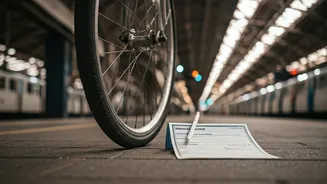
A common yet impactful observation in Japan is the stringent organization of public spaces, vividly illustrated by an incident involving improper bicycle parking. Upon returning to her parked bicycle, the creator found a fine tag, demanding a 5,000 yen payment. Fortunately, a warning sufficed for this honest mistake. In numerous Japanese municipalities, illegally parked bicycles are promptly impounded and relocated to designated storage facilities. Owners must then present identification and pay a retrieval fee. This experience underscored the meticulous adherence to rules governing public areas, a characteristic frequently noted by newcomers to Japan.
Train Delay Certificates
Japan's world-renowned punctual train system offers a unique mechanism for passengers affected by delays: the 'Chien Shōmeisho,' or delay certificate. This official document, obtainable from railway companies for delays of five minutes or more, serves as proof for educational institutions or workplaces that the passenger was not at fault for being late. These certificates can be acquired in print from station staff or ticket machines, and many railway companies also provide them online through their websites. The document typically includes essential details like the date, train line, and the approximate duration of the delay, demonstrating a system designed for transparency and accountability.
Efficient Self-Payment
The prevalence of highly efficient payment systems is another striking aspect of daily life in Japan. Vending machines and self-service counters are ubiquitous, used for everything from purchasing drinks and train tickets to settling restaurant bills. A particularly noteworthy feature is the precise functioning of these machines; they accurately calculate the total cost of goods and services, and subsequently dispense the exact correct change after payment. This eliminates the need for manual money counting or verification of change received, contributing to a streamlined and hassle-free transaction experience for consumers.