






Ancient Alliances Formed
The tale of cats and humans is not one of domestication through human intent, but rather a story of feline initiative. Around 9,000 to 10,000 years ago,
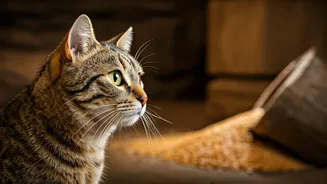
as human societies began to establish agricultural practices and store grains, a natural consequence was the proliferation of rodents. This abundance of prey drew the attention of wildcats, specifically the African wildcat (Felis silvestris lybica). These small, adept hunters found human settlements to be a veritable smorgasbord, offering plentiful hunting opportunities. In return for this easy access to food, the cats provided an invaluable service: pest control. This symbiotic relationship, born out of convenience for both species, laid the groundwork for the long-standing companionship we know today, a partnership built on mutual advantage rather than any form of command or coercion.
Egypt's Revered Companions
Fast forward to approximately 4,000 years ago, and we find cats occupying a truly elevated status in Ancient Egypt. Far from being mere barnyard mousers, they were integrated into the very fabric of Egyptian society and spirituality. These animals were not only cherished as household pets but were also afforded legal protection, a testament to their significance. Their importance was further cemented by their association with various deities, most notably Bastet, the cat-headed goddess often depicted as a protector of home, fertility, and women. This period marks a significant cultural embrace of cats, elevating them to a sacred level and solidifying their bond with humanity through admiration and respect, not just utility.
Global Wanderers
The independent spirit that characterized cats' initial engagement with humans also facilitated their global dispersal. As human civilizations expanded and trade routes flourished, cats readily hitched rides with merchants and sailors. These journeys, spanning continents and oceans, saw cats spread across Europe, Asia, and beyond. Unlike dogs, which underwent more profound selective breeding for specific human purposes, domestic cats largely retained their innate hunting instincts and self-reliance. This inherent independence is why even today's house cats often exhibit behaviors reminiscent of their wild ancestors, displaying a keen predatory drive and a characteristic aloofness that speaks to their enduring connection to their wild heritage.
Archaeological Whispers
Tangible evidence of this ancient bond can be found in archaeological discoveries that speak volumes about the early relationship between humans and cats. One of the most compelling finds is a 9,500-year-old burial site in Cyprus. Within this ancient grave, a human was interred alongside a cat, a discovery that strongly suggests a relationship of companionship and affection, transcending simple pest management. This burial provides a poignant glimpse into the emotional connection that had already formed between our species and felines thousands of years ago, hinting that cats were valued not just for their practical benefits but also as cherished companions long before their elevated status in civilizations like Egypt.