




Scalp Massage Unveiled
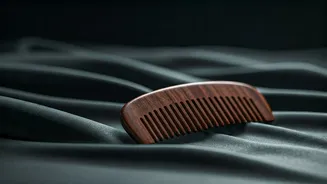
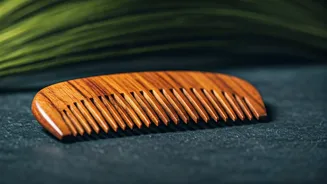
The practice of massaging the scalp, particularly with a wooden comb, has gained recent traction on social media, touted as a remedy for premature greying
and hair loss. While this ritual might seem new, it's a practice deeply embedded in various cultures, including Indian households. The core idea is to stimulate the scalp, and experts suggest there's a scientific basis for its potential benefits. Dr. Shweta Nakhawa, a consultant dermatologist, explains that scalp massage can significantly enhance blood circulation. This improved flow delivers vital oxygen and nutrients directly to the hair follicles, fostering healthier hair growth. Furthermore, increased circulation may help slow down the depletion of pigment cells, which are responsible for hair color. However, it's crucial to understand that while massage is beneficial, it's not a sole determinant of hair color, with genetics, aging, and lifestyle factors playing a more dominant role in the greying process.
Beyond Circulation: Stress and Nourishment
The perceived efficacy of the wooden comb ritual extends beyond mere physical stimulation. Dr. Nakhawa points out that these traditions often intertwine lifestyle habits with biological factors. A gentle scalp massage performed at night doesn't just nourish the scalp; it also serves as a powerful stress reliever, promoting overall relaxation. Stress is a well-documented contributor to premature hair graying and increased hair loss. Therefore, individuals who consistently incorporate this calming ritual into their routine might observe improvements not due to any mystical properties, but rather as a direct result of reduced stress levels and enhanced scalp nourishment. This dual action of physical stimulation and stress reduction contributes to a more robust and vibrant hair environment.
Who Should Try It?
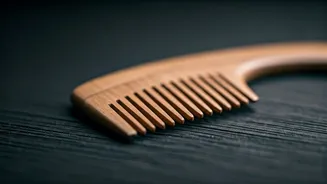
The Japanese wooden comb scalp ritual is generally safe for most individuals, provided it is performed with care and gentleness. A brief, minute or two of massaging the scalp with a soft wooden comb or even fingertips can be a harmless addition to one's routine. However, individuals experiencing pre-existing scalp conditions such as eczema, psoriasis, or active infections should exercise significant caution. It is highly recommended that these individuals consult with a dermatologist before attempting any new scalp massage practice to ensure it doesn't exacerbate their condition. This precautionary step ensures that the wellness ritual remains beneficial and does not lead to any adverse effects on sensitive scalps.
Realistic Expectations
It is imperative to approach the wooden comb ritual with realistic expectations, understanding that it is not a magical cure for hair issues. Dr. Nakhawa emphasizes that while massage and wood combing can be a valuable component of a comprehensive hair care regimen, they cannot fundamentally alter the genetic predisposition to greying. The primary drivers of hair color remain genetic factors. For maintaining overall hair health, a balanced diet, adequate sleep, and effective stress management are paramount. For individuals who have already noticed significant greying, evidence-based solutions like hair dyes or specific medical interventions are currently the only proven methods to alter hair color. Therefore, the comb ritual should be viewed as a supplementary wellness practice rather than a definitive solution.
A Holistic Self-Care Practice
Ultimately, the Japanese wooden comb ritual can be embraced as a worthwhile 'wellness practice.' It offers a surprisingly affordable and deeply relaxing experience that can potentially enhance both hair texture and the quality of sleep. Instead of viewing it as a cure-all, it's more accurately described as a form of self-care. For those who find solace and benefit in establishing relaxing routines, this practice can serve as a calming and grounding element of their nightly wind-down. The simple act of dedicating a few minutes to gentle scalp stimulation can contribute to a sense of well-being and provide a peaceful transition into sleep, making it a valuable addition to a mindful lifestyle.