




Idli: The Classic
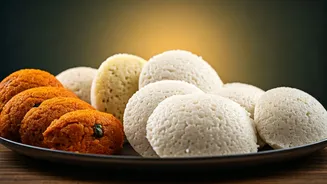
Idli, a steamed rice cake, stands as a breakfast staple across South India. Traditionally prepared with fermented rice and urad dal batter, it's a light
and easily digestible dish. The fermentation process enhances both the flavor and nutritional value of idli. Often served with sambar (a lentil-based vegetable stew) and coconut chutney, idli presents a balance of flavors and textures. Regional variations exist, with differences in batter consistency and serving styles, showcasing the adaptability and versatility of this beloved dish. The preparation, which typically involves soaking, grinding, and fermenting the ingredients, has been a part of South Indian culinary practice for generations. Its soft, pillowy texture and mild taste make it a versatile breakfast option, easily paired with various accompaniments. The popularity of idli is a testament to its nutritional value and appeal to a wide range of palates. Its simplicity, combined with its nutritional benefits, has solidified its position as a cornerstone of South Indian cuisine.
Puttu: Kerala's Pride
Puttu, a steamed cylindrical rice cake, is a cherished breakfast item in Kerala, India. Made with ground rice and coconut, it's typically steamed in a bamboo mould or puttu kutti, giving it its distinctive shape. The combination of rice and grated coconut layers creates a moist and flavorful dish. It’s frequently enjoyed with kadala curry (black chickpea curry) or sweetened with palm sugar and bananas. Puttu's preparation involves layering the rice flour and coconut in the steamer, allowing the steam to cook the mixture thoroughly. The result is a light, fluffy, and aromatic breakfast option. The use of coconut adds a unique textural element and a subtly sweet flavor profile, while the accompanying curries provide the necessary savory counterpoint. Puttu's simplicity and distinct preparation method highlight the rich culinary traditions of Kerala. The dish's appeal lies not only in its taste but also in its cultural significance, representing a flavorful piece of Kerala's heritage.
Dhokla: Gujarati Treat
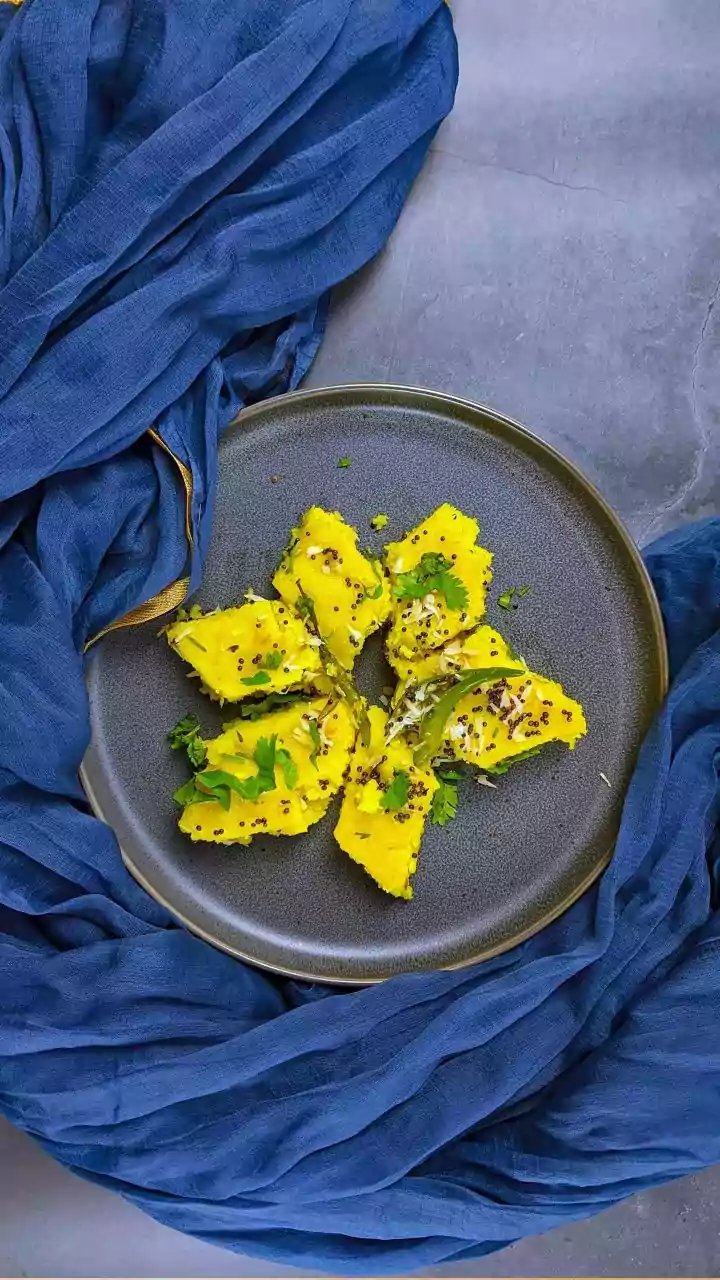
Dhokla, a savory steamed cake, is a popular breakfast choice from Gujarat, India. Prepared using a fermented batter of gram flour (besan), it is known for its light, fluffy texture and mildly tangy flavor. The fermentation process is critical to developing its characteristic taste. Dhokla is often tempered with mustard seeds, green chilies, and curry leaves, adding a burst of flavor. This dish is usually served with chutney. Various regional interpretations exist, including khatta dhokla (sour) and rava dhokla (made from semolina). The fermentation of the batter, usually involving overnight resting, is key to developing its porous texture and tangy taste. Once steamed, dhokla is typically seasoned with a tempering of oil, mustard seeds, and spices. This preparation method ensures that each bite is packed with both texture and taste. Dhokla's popularity goes beyond Gujarat, with its simple yet satisfying appeal making it a favorite across the country. It perfectly embodies the Gujarati penchant for combining sweet, sour, and savory tastes in one dish.
Khaman: Another Gujarati Dish
Khaman is another popular steamed snack originating from Gujarat, similar to dhokla. It is made from a batter of gram flour, along with other ingredients, creating a spongy and flavorful snack. The preparation involves a similar fermentation process, resulting in a soft texture. Khaman is often steamed and then tempered with mustard seeds and other spices. The tempering adds a delightful aroma and enhances the overall flavor profile. It's usually served with green chutney or sev. The lightness of khaman makes it a great choice for breakfast or as a quick snack. The texture is what separates it from dhokla, often being a bit more airy and fluffy. Its versatility allows for various adaptations, with cooks adding spices and seasonings to personalize it. Khaman exemplifies the Gujarati skill for preparing delicious and easily-digestible snacks. Its simplicity and balanced flavors contribute to its enduring popularity. The use of gram flour adds a distinctive taste that complements the other ingredients.
Modak: Maharashtrian Delight
Modak is a sweet dumpling particularly enjoyed in Maharashtra, India, and is often associated with the festival of Ganesh Chaturthi. Traditionally, the outer shell is made from rice flour and the filling consists of grated coconut and jaggery. The preparation involves steaming these dumplings to achieve a soft exterior and a sweet, flavorful filling. Steamed modaks are considered a sacred offering to Lord Ganesha, making them a significant part of the Maharashtrian culture. The combination of the sweet filling and the soft, chewy shell provides a rich texture and enjoyable taste. The tradition of making modaks, often done at home during festivals, symbolizes devotion and celebration. The process of preparing modaks, from the filling to the shaping and steaming, is a labor of love that highlights the value placed on tradition and community. Different regions may have slight variations in the filling ingredients and the shape, but the essence remains consistent: a sweet, steamed treat. Modaks beautifully encapsulate the spirit of festivals in Maharashtra.
Idiyappam: String Hoppers
Idiyappam, also known as string hoppers, is a popular breakfast dish throughout South India and Sri Lanka. These are made from rice flour that is pressed into thin strands and then steamed. The process of making idiyappam requires a special press to create the string-like appearance. Its mild taste and light texture make it a versatile breakfast choice. It is usually served with curries and coconut milk. The preparation method involves mixing rice flour with hot water to create a dough, pressing the dough into thin strands, and then steaming them. The result is a delicate, net-like structure. Its subtle flavor allows it to pair well with various savory accompaniments. Idiyappam's simple ingredients and straightforward preparation result in a delicious and satisfying breakfast choice. The string-like structure adds to its appeal. Its popularity continues to be a testament to its simple yet appealing taste.
Bati: Rajasthani Staple
Bati, a baked or steamed round bread, forms the cornerstone of a typical Rajasthani breakfast or meal. Often served with dal (lentils) and churma (sweet crumbled bread), it provides a filling and satisfying meal. The preparation involves baking the dough, which results in a hard exterior and a soft interior. Steaming bati is another method, and provides a similar outcome. The combination of flavors and textures creates a complete culinary experience. Bati's heartiness makes it ideal for a substantial breakfast. The process of preparing bati varies but typically involves kneading the dough and shaping it into balls before baking or steaming. The dish's simplicity is one of its most appealing attributes, showcasing the region's focus on wholesome, satisfying food. It is frequently accompanied by ghee, enhancing its richness. The flavors of bati, dal, and churma create a blend that is deeply rooted in Rajasthani traditions, and it's a testament to the region's culinary heritage.
Momos: Himalayan Treat
Momos, steamed dumplings, have become a widely enjoyed breakfast item across India, especially in the Himalayan regions. Traditionally, they are filled with meat or vegetables, seasoned with aromatic spices, and steamed to perfection. The soft, chewy exterior combined with the flavorful filling creates an engaging taste experience. They are often served with a spicy chutney. The process involves creating a dough, shaping the dumplings, and steaming them. The preparation method ensures the ingredients stay flavorful. The versatility of momos lies in the variety of fillings, allowing for multiple taste combinations. Momos' popularity has expanded beyond the Himalayan regions to become a favorite breakfast choice. The deliciousness and easy preparation of momos have made them a beloved dish for many. The simplicity of the dumplings allows the delicious fillings to take center stage.
Uttapam: South Indian Pancake
Uttapam, often described as a thick pancake, is a popular breakfast from South India. Made from fermented rice and lentil batter (similar to idli batter), it's typically cooked on a griddle, though sometimes steamed as well. The batter's fermentation lends a tangy flavor to the dish. Common toppings include tomatoes, onions, chilies, and coriander, which are added while cooking. Uttapam provides a hearty and customizable breakfast option. The batter is prepared in advance, with the fermentation process enhancing the flavor and texture. The toppings add varied flavors and textures to the dish. Uttapam is frequently served with sambar and chutney, making it a delicious and well-rounded breakfast. Its versatility makes it a favorite among those who enjoy a customized meal. The customization options allow for multiple flavors and taste profiles to be achieved.
Poha: Flattened Rice Delight
Poha, a breakfast staple in many parts of India, particularly Maharashtra, is made from flattened rice, that is steamed to soften. The rice is often seasoned with mustard seeds, turmeric, onions, and various spices. The preparation typically involves soaking the flattened rice, then sauteing it with spices and vegetables. This creates a flavorful, and nutritious breakfast option. Poha is often garnished with coriander and served with a squeeze of lime. The steaming of the flattened rice helps soften it and absorb the flavors of the seasoning. The dish is quick to prepare, making it a convenient breakfast choice. The combination of sweet, savory, and tangy flavors, and the use of simple ingredients, contributes to its enduring popularity. The addition of peanuts and other toppings further enhances the taste, adding texture and flavor.