






The Camera Roll Catastrophe
The digital age has amplified a common relationship quirk: the stark difference between photos taken by us versus those snapped by our significant others.
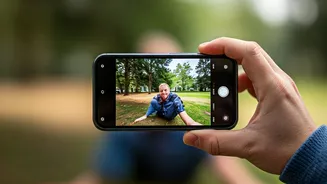
Across social media platforms like TikTok and Instagram, women are humorously sharing their experiences of handing over their phones, only to discover a camera roll filled with blurry shots, awkward angles, and unflattering expressions. These tales often contrast the meticulously framed and beautifully lit photos women take of their partners with the haphazard efforts their partners produce. Whether on vacation or just at home, the intention might be there, but the execution often misses the mark. This phenomenon highlights that while love is certainly present, a keen eye for photographic composition and flattering perspectives is not always a given when a partner takes the lead behind the lens. It's a shared frustration that often leads to a collective laugh among those who've experienced it.
Common Photography Fumbles
Several recurring mistakes plague amateur photographers, particularly when capturing their partners. A primary culprit identified by professionals is the angle; holding the phone too low and shooting upwards can create unflattering distortions for most faces. Equally important is lighting. Photographers emphasize facing the light source rather than having it directly behind the subject, which often results in silhouettes or underexposed faces. The context of social media also plays a role, as expectations for image quality have risen. What might have been acceptable documentation in the past is now scrutinized. Even experienced photographers, like Tim Gruber, admit that when rushing or not paying attention to composition and light, the resulting images become mere 'documentation of, 'OK, my wife was there.'' The key seems to be slowing down and considering the elements of a good photograph, rather than just pressing the button.
Strategies for Better Shots
Overcoming the 'bad photo' hurdle requires a multi-pronged approach, often involving clear communication and a willingness to learn. Many couples have found success by establishing a system. This can range from simple advice like 'listen to them' to more structured methods. For instance, Alexandra Madison explains to her husband, Jon Bouffard, using phone grid lines to illustrate concepts like the rule of thirds, positioning herself within specific screen boundaries. This level of guidance, while sometimes feeling extensive, ensures that the desired framing and composition are achieved. Additionally, the sheer volume of photos taken can increase the chances of capturing a winner. Bouffard mentions being asked to take dozens of shots, which Madison clarifies as wanting 'a hundred photos' with 'variety,' not simply repetitive shots of the same pose. Ultimately, whether through detailed instruction or simply taking more pictures, the goal is to bridge the gap between intent and the final image.
Love and the Lens
While the frustration of receiving less-than-ideal photos is real, the underlying sentiment is often love. Professional photographers suggest that bad angles and poor lighting aren't malicious but simply a lack of photographic expertise. The advice from those who've navigated this common issue is often to be patient and keep trying. Even imperfect photos have value; they serve as mementos of moments, and years later, they can be appreciated for the memories they hold, even if the photographic quality is questionable. The hope is that eventually, partners can look back on these moments and laugh together, understanding the good intentions behind the less-than-perfect snapshots, and perhaps even sharing a knowing glance about the universal struggle of capturing the perfect picture.