



Citrus for Lushness
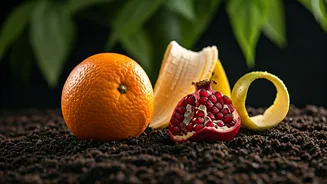
Orange and other citrus peels are packed with beneficial compounds that significantly aid plant development. They provide a substantial nitrogen boost,
essential for cultivating vibrant, leafy greens and overall plant vigor. Beyond nitrogen, these peels also contribute vital micronutrients like zinc, iron, and calcium, further fortifying your plants. Interestingly, citrus peels possess natural insect-repelling properties, offering a chemical-free solution to common garden pests. To prepare them for garden use, you can dry the peels thoroughly and then grind them into a fine powder, which can be mixed directly into your soil or compost pile. Alternatively, a potent liquid fertilizer can be made by soaking the peels in water for approximately a week; this solution can then be diluted and sprayed onto plants. This method is particularly beneficial for acid-loving plants, such as hydrangeas, as it can slightly lower soil pH. For a concentrated liquid feed, use about 2-3 peels per gallon of water, and before application, dilute this mixture at a ratio of 1 part concentrate to 5 parts water.
Pomegranate's Defense
Pomegranate peels are a potent source of essential minerals that bolster a plant's natural defenses against diseases. They are rich in potassium, iron, copper, and zinc, all of which are crucial for building robust immunity in plants. Furthermore, the high antioxidant content found in pomegranate peels actively combats harmful soil fungi, creating a healthier underground environment. To harness these benefits, you can either boil dried pomegranate peels or soak them in water to create a powerful liquid tonic, ideal for drenching fruit trees. For a more direct application, the dried peels can be pulverized into a powder and used as a top-dressing around plants, providing a slow-release source of nutrients. This method is especially effective in protecting vegetables from common ailments like blight. By incorporating pomegranate peels, you're not just adding nutrients but also enhancing the plant's resilience.
Banana for Blooms
Banana peels are a powerhouse of potassium, a critical nutrient that promotes strong root development, abundant flowering, and healthy fruit production, making them excellent for plants like roses and tomatoes. In addition to potassium, they also offer valuable amounts of magnesium and phosphorus, further supporting overall plant health and vitality. For immediate nutrient delivery, you can chop banana peels into small pieces and bury them directly into the soil around the base of your plants. Another effective method involves soaking the peels in water for about three days; after straining, the resulting liquid, often called 'banana tea,' can be used to water plants like roses and vegetables weekly, providing a quick nutrient uptake. For a long-term soil amendment, dry the peels completely and grind them into a powder, which can then be sprinkled around plants on a monthly basis. This practice not only helps plants withstand dry spells by improving drought resistance but also rapidly enhances leaf greenness.
Apple's Energy
Apple peels contribute significantly to plant energy and root strength by providing phosphorus, a key element for robust growth. Alongside phosphorus, they offer potassium, along with vitamins A and C, which are beneficial for plant health. The folate present in apple peels also plays a vital role in nurturing beneficial soil microbes, fostering a healthier and more active soil ecosystem. To utilize apple peels, you can chop fresh peels and add them to your compost bin, where they will break down and enrich the compost. For a gentler, more immediate boost, soak apple peels overnight in water to create a mild tea that is perfect for young plants or those in pots. Burying apple peels near bulbs is another effective strategy to promote vigorous spring growth. Their balanced nutrient profile makes them a versatile addition to various gardening practices.
Preparation & Application
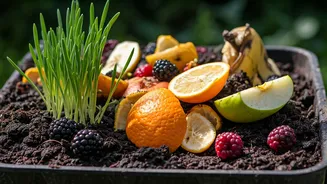
Maximizing the benefits of fruit peels as fertilizer involves simple preparation and application techniques. Begin by collecting peels from your regular fruit consumption, ensuring they are thoroughly rinsed. Chopping the peels into smaller pieces will significantly accelerate their decomposition process, whether they are added directly to the soil or used in a compost. There are two primary methods for direct application: either bury the chopped peels about 4-6 inches deep in the soil near plant roots, allowing them to decompose in place, or soak them in water for 5-7 days to create a nutrient-rich liquid feed, which should then be diluted 1:1 with water before use. For long-term storage and convenience, fruit peels can be dried completely and ground into a fine powder. It's important to avoid using peels from fruits that are prone to diseases, and opting for organic fruit peels is generally recommended to prevent introducing unwanted pathogens or residues into your garden.