



Hidden Grime and Germs
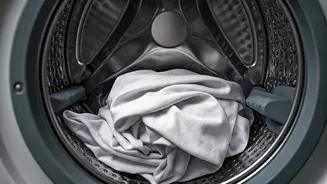
Your washing machine, designed to clean, can paradoxically become a source of stains due to accumulated residues and microbial growth. Over time, detergent,
fabric softener, and even lint can form a film inside the drum, door seals, and dispensers. This film can then detach during subsequent washes, clinging to your clothes and leaving behind unsightly greyish marks. Scientific studies have even shown that washing machines can harbor bacteria, particularly in damp areas like the rubber seals and detergent drawers. These microbes can transfer to fabrics, especially if cleaning routines aren't consistent. Furthermore, using too much detergent can lead to insufficient rinsing, leaving behind residue that causes spotting, while pouring fabric softener directly onto clothes can also result in discolouration. Overloading the machine is another common pitfall, preventing clothes from tumbling freely and ensuring water and detergent reach all surfaces. Compounding these issues, the damp environment left after a wash cycle creates a perfect breeding ground for mold to develop, especially around the door seals. This mold can lead to stubborn discolouration and an unpleasant odor on your garments, negating the purpose of the wash altogether.
Mechanical Woes & Water Woes
Beyond simple grime, certain stains can signal underlying mechanical problems within your washing machine. For instance, rust-colored marks often indicate internal components are corroding, releasing tiny particles of rust into the water during the wash cycle. Hard water, prevalent in many regions, also plays a significant role. The high mineral content, primarily calcium and magnesium, can precipitate and form chalky or dull residues both within the machine's pipes and on the drum's surface. This mineral buildup not only affects the appearance of your clothes but also hinders the detergent's ability to clean effectively. Moreover, sediment or rust accumulating in the machine's filters can compromise the rinsing process, leaving behind dirt that should have been washed away. Worn-out parts, such as seals and bearings, can also lead to contamination. As these components degrade, small amounts of oil or grease can leak into the drum, creating dark, greasy stains that are notoriously difficult to remove once they've set into the fabric. These seemingly minor issues can escalate rapidly, turning a single garment's stain into a recurring problem across multiple laundry loads.
Restoring Pristine Laundry
Fortunately, the solutions to these staining woes are largely accessible and preventative. Establishing a consistent cleaning regimen for your washing machine is paramount. Aim to run a hot water cycle with a dedicated washing machine cleaner monthly to effectively break down any accumulated buildup. Don't forget to manually clean the gasket seal and the detergent dispenser, as these are common hiding spots for dirt. Adhering to the recommended detergent quantities, as indicated on product packaging rather than guessing, is crucial to prevent residue buildup. Similarly, mindful load sizing ensures that clothes have adequate space to move, allowing water and detergent to circulate freely for optimal cleaning. For households contending with hard water, descaling the machine or utilizing a water softener can significantly reduce mineral deposits, protecting both the appliance and your garments. Regular visual checks for signs of rust, mold, or worn seals can preempt larger repair issues. Promptly addressing any oil stains or recurring rust marks might necessitate replacing specific parts, safeguarding your laundry from further damage and ensuring your washing machine returns to its primary function: delivering impeccably clean clothes without any unwelcome surprises.