







The Memory Filter Failure
When sleep flows uninterrupted, our brains are adept at discarding dream content. These fleeting neural impulses typically don't get etched into our long-term
memory, vanishing by morning. However, during a night of poor sleep, this natural forgetting process is hampered. Waking up abruptly, especially during Rapid Eye Movement (REM) sleep, prevents the brain from completing its 'delete' function. This interruption effectively captures dream fragments, allowing them to be transferred into our conscious awareness as vivid recollections, rather than being smoothly erased. It's not about dreaming more, but rather about failing to forget what we've experienced during those dream states before they naturally fade.
Logic Takes a Break
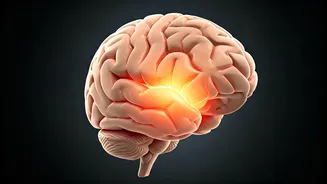
The profound realism of dreams during disturbed sleep stems from a fascinating neurological state. During REM sleep, the brain's emotional centers, like the amygdala, and visual processing areas, such as the occipital lobe, are highly active. This surge in activity fuels the immersive quality of our dreams. Concurrently, the prefrontal cortex, responsible for rational thought and critical judgment, becomes largely inactive. This offline state means the 'logical editor' of our brain isn't present to question the often bizarre or nonsensical plotlines of dreams. Consequently, we experience these visions without critical filtering, making them feel intensely believable and emotionally resonant, as if we are truly living through them rather than merely observing.
Morning REM Peaks
The specific timing of awakenings throughout the night significantly influences dream recall. Sleep progresses in cycles, with deeper, restorative stages becoming shorter and REM sleep periods lengthening as the night advances. By the early hours of the morning, a substantial portion of our sleep is dedicated to dreaming. If our internal body clock (circadian rhythm) is disturbed by factors like stress, exposure to blue light, or irregular schedules, we are far more prone to waking up during these extended REM phases. This increased likelihood of becoming conscious during peak dreaming periods means we are more exposed to those vivid dream narratives, cementing them in our memory.
Recall Over Creation
The central paradox of a sleepless night is that it doesn't necessarily foster a more imaginative mind. Instead, it primarily enhances our ability to remember the dreams that occur. Poor sleep isn't about producing more dreams, but rather about capturing more of them. A night filled with seemingly vivid dreams is less an indicator of an overactive imagination and more a signal of a compromised internal filtering system. You aren't experiencing a greater volume of dream content; you are simply more likely to retain the fragments that your brain would typically discard during proper, continuous sleep.