



Oats' Health Halo
Oats have earned their reputation as a superfood primarily due to their rich content of beta-glucan, a special type of soluble fiber. This remarkable compound
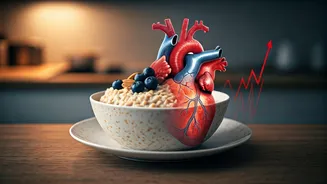
plays a significant role in slowing down digestion, which, in turn, contributes to lowering cholesterol levels over time. This characteristic is a key reason why oats are frequently recommended for promoting cardiovascular health. Medical professionals emphasize that the extent of this cholesterol-lowering effect can be influenced by how the oats are prepared and consumed, as well as an individual's unique physiological response. The fiber in oats also aids in promoting a feeling of fullness, making them a valuable addition to diets aimed at weight management and sustained energy levels. Their inherent nutritional profile, particularly the high fiber content, positions them as a beneficial component for a healthy eating plan when integrated thoughtfully.
The Blood Sugar Concern
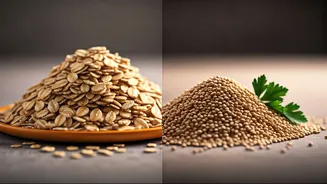
The impact of oats on blood sugar levels can vary significantly based on their processing. Instant oats, for example, undergo more processing, which causes them to break down rapidly during digestion. This accelerated breakdown can lead to swift increases in blood glucose levels, posing a potential issue for individuals managing diabetes or insulin resistance. Flavored or instant varieties often contain added sugars and are more refined, further exacerbating this effect. In contrast, less processed forms like steel-cut or rolled oats digest more slowly, leading to a more gradual and manageable rise in blood sugar. This distinction is crucial for making informed dietary choices, especially for those monitoring their carbohydrate intake closely.
Digestive and Nutrient Woes
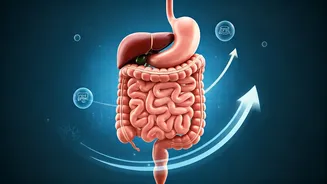
While oats are lauded for their fiber content, a high intake can sometimes lead to digestive discomfort for certain individuals. Symptoms like bloating, gas, and stomach cramps can occur, particularly if oats are introduced rapidly into the diet without gradual adaptation. Beyond immediate digestive effects, oats contain phytates, compounds that can interfere with the absorption of essential minerals such as iron and zinc. This means that while oats provide valuable nutrients, their high consumption might hinder the body's ability to fully utilize certain minerals. This underscores the importance of dietary variety, ensuring that reliance on oats does not inadvertently lead to micronutrient deficiencies over time.
Who Should Be Cautious?
Although oats are naturally gluten-free, they can be problematic for individuals with celiac disease or gluten sensitivity due to cross-contamination. Processing facilities often handle wheat alongside oats, meaning even small traces of gluten can be present and trigger adverse reactions in sensitive individuals. Therefore, caution is advised for those who must strictly avoid gluten. Furthermore, individuals experiencing sensitive digestion, those with poorly controlled blood sugar levels, and anyone relying too heavily on oats as their primary food source should approach their consumption with care. A balanced dietary approach, incorporating a range of foods, is generally recommended over an over-reliance on any single food item, including oats.