
What's Your Goal?
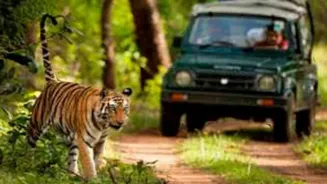
Before diving into the specifics of national parks, reflect on your safari aspirations. Consider what you hope to experience. Do you prioritize tiger sightings
above all else, or are you keen on capturing diverse wildlife and picturesque landscapes? Think about the type of safari you desire. Do you prefer an open jeep adventure, or do you prefer the comfort of a closed vehicle? Determine the level of accommodation that suits your preferences, from budget-friendly options to luxurious resorts. By defining your priorities, you'll be able to narrow down your choices and select a national park that aligns with your specific needs and desires, ultimately enhancing your overall safari enjoyment and success rate. Knowing your goals also helps set realistic expectations for sightings and wildlife encounters.
Safari Types Matter
The method of exploring the jungle can significantly impact your safari experience. The most common option is an open jeep safari, where you get closer to the environment and have a better field of vision, making it great for wildlife photography. However, it can expose you to the elements and may be less comfortable in extreme weather. On the other hand, a closed vehicle provides more protection from the weather and potentially a more comfortable ride, particularly for families with young children or those sensitive to dust and sun. However, it might offer a slightly limited view. Consider the terrain and vegetation of the specific national park. Some parks have rougher roads that are more suited for open jeeps, while others may offer a smoother experience with closed vehicles. Also, research the duration of the safari rides and the frequency of these safaris throughout the day to plan your travel time efficiently.
Accommodation & Location
The location of your accommodation plays a significant role in your safari. Staying within or near the park allows for easy access to the entry gates and maximizes your chances of early morning and late afternoon safaris, which are prime times for wildlife sightings. Consider proximity to the core zones of the park; some accommodations are strategically located near areas with higher tiger activity. Review the types of accommodation available, ranging from budget-friendly guesthouses to luxury resorts, offering varied levels of comfort and amenities. Choose accommodation that aligns with your budget and preferences. Check for factors like safety and security. Also, look for accommodation options with knowledgeable guides. These guides can enhance your safari experience by sharing their expertise on wildlife, behavior, and habitat, significantly increasing your chances of memorable sightings and learning about the jungle's secrets.
Optimal Visit Times
Timing your visit strategically can greatly increase your chances of witnessing tigers and enjoying the most favorable weather conditions. The prime time for tiger safaris in India is generally during the dry season, from November to May. The weather is relatively dry and the vegetation is less dense, improving visibility. The summer months, specifically March to May, are particularly hot, which drives tigers to seek water sources, making sightings more frequent. However, the heat can be intense. The monsoon season, from June to October, brings lush greenery and cooler temperatures, but park access might be restricted or difficult due to heavy rainfall. Check the specific park's schedule and the availability of safari slots before finalizing your dates. Keep in mind that the best time to visit might differ slightly depending on the park's location, so doing some research on weather patterns, wildlife activity, and park regulations is crucial.
Guides: Essential Partners
Hiring knowledgeable guides elevates the safari experience. Guides possess in-depth knowledge of the park's terrain, wildlife behavior, and recent sightings, greatly improving your chances of spotting tigers and other animals. They can interpret animal tracks, identify calls, and explain the intricacies of the ecosystem. A good guide can ensure your safety during the safari, navigating potentially dangerous situations and adhering to park regulations. They can also enhance the educational aspect of your journey, enriching your understanding of the local flora and fauna. By sharing their passion and expertise, guides transform a regular wildlife viewing tour into an enriching, unforgettable learning experience. Look for guides with appropriate certifications and a proven track record. Engage with them before the safari to determine their experience and knowledge.
Key Tiger Sanctuaries
India is home to several well-known tiger reserves, each offering a distinct experience. Jim Corbett National Park in Uttarakhand, one of the oldest national parks, is renowned for its tigers and diverse ecosystem. Ranthambore National Park in Rajasthan offers a picturesque backdrop for tiger sightings amidst the ruins of historical forts. Bandhavgarh National Park in Madhya Pradesh is known for its high tiger density and is a great spot to see other wildlife. Kanha National Park, also in Madhya Pradesh, is a key habitat for tigers and other species, offering rich biodiversity and is a place to experience the magic of the wild. When choosing, consider the reputation for tiger sightings, the terrain, and the overall wildlife experience each offers, to decide on the park that best suits your preferences.
Local Culture & More
In addition to wildlife, consider the local culture and surroundings. If time allows, visit local villages to experience authentic traditions and to get a glimpse into the local way of life. Interact with local people, to better understand their perspectives on conservation and wildlife protection. Research and respect any cultural norms or customs. Consider the surrounding areas of your chosen national park. Some parks offer nearby attractions like historical sites, temples, or scenic viewpoints. These can add depth and diversity to your travel experience. Integrating cultural experiences with wildlife safaris can lead to a more enriching and meaningful trip, giving you a wider appreciation for India's natural and cultural heritage. Always be respectful of the local community.
What to Expect?
Having realistic expectations will improve your safari experience. Tiger sightings are never guaranteed; wildlife behavior is unpredictable. The success of a safari depends on various factors, including the season, weather, and the park’s wildlife activity. Prepare to embrace the unexpected and enjoy every moment. Understand that a safari is a journey of discovery. Focus on the overall experience of exploring the wilderness and appreciating the beauty of nature. Even without tiger sightings, you will have opportunities to see other animals. Be prepared for early mornings and potentially long hours in the jeep, especially during peak seasons. Bring essentials like sunscreen, a hat, comfortable clothing, and binoculars. Maintaining a positive attitude, respecting the environment, and embracing the overall adventure will make your tiger safari a more memorable one.