


Physical Prowess Unleashed
Active play serves as the bedrock for a toddler's physical development, significantly contributing to the growth of robust muscles and an overall healthy
physique. Engaging in activities such as running, jumping, climbing, and ball games directly exercises and strengthens a child's musculature, which is indispensable for their physical maturation. Through these energetic pursuits, toddlers not only enhance their muscle strength but also refine their coordination, enabling them to perform everyday tasks with greater ease and assurance. This consistent engagement in physical activity builds a solid foundation for lifelong health and mobility, equipping them with the physical capabilities to face daily challenges with vigour and self-assurance. It's about building a strong, capable body from the ground up through joyful movement and exploration, setting them on a path of healthy physical habits from an early age.
Curiosity Ignited
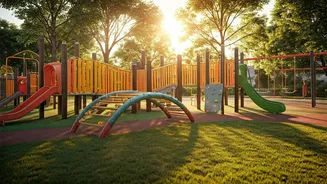
Toddlers possess an innate, boundless curiosity about the world around them, and active play provides the perfect avenue for this exploration. When children are encouraged to move freely, they gain the opportunity to investigate their environment in a hands-on manner. Whether they are discovering textures on a playground, kicking a ball, or scaling a climbing structure, these playful experiences allow them to gather information and deepen their understanding of their surroundings. This process of exploration is not merely about physical engagement; it's a cognitive journey where they learn cause and effect, spatial relationships, and problem-solving skills. By actively interacting with their environment, toddlers expand their knowledge base and develop a more comprehensive perception of the world, fueling their desire to learn and discover more.
Social Bonds Forged
Active play often involves interaction with peers, siblings, or family members, playing a critical role in a toddler's social and emotional development. Through collaborative play, children learn the fundamental principles of social interaction, such as sharing toys and communicating their needs and desires. These shared experiences help them navigate group dynamics, understand different perspectives, and develop empathy. Furthermore, the comfort and confidence gained from interacting with others during play can extend to broader social situations, making them feel more at ease in larger groups. This early exposure to social play is instrumental in building their emotional intelligence, teaching them how to manage feelings, resolve conflicts amicably, and foster positive relationships from a tender age.
Energy Released, Calm Achieved
Toddlers naturally possess abundant energy, and active play offers a constructive and beneficial outlet for this inherent zest. When young children are given ample opportunity to move, run, and play without restraint, they are less prone to restlessness or bouts of frustration. Physical exertion allows them to channel their energy positively, which in turn can lead to an improved mood and enhanced concentration later in the day. Consistent participation in active play can also contribute to more regulated sleep patterns, as the physical expenditure helps them feel pleasantly tired by bedtime. This balance between high energy and purposeful activity is crucial for their overall well-being and emotional regulation, ensuring they can transition smoothly between periods of high activity and rest.
Confidence Blooms
Active play empowers toddlers to take on new movements and challenges independently, laying the groundwork for self-assurance. Each small victory, whether it's mastering the art of balancing while walking, successfully climbing a low step, or accurately throwing a ball, contributes to a burgeoning sense of accomplishment. As children recognize their capacity to achieve these personal goals, they cultivate a strong sense of independence and self-belief. Encouraging active play grants toddlers the freedom to experiment, learn through their own experiences, and gradually build the confidence necessary to explore and interact with the wider world around them, fostering a resilient and self-reliant spirit.