Comfort's Ascent Begins
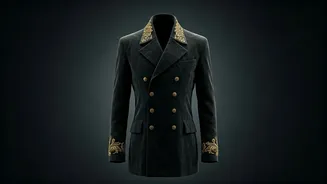
The conventional notion of workwear was once defined by constraints: formal suits, starched shirts, and restrictive skirts. These outfits were often seen
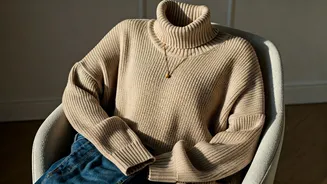
as symbols of professionalism and success. However, as times evolved, so did the concept of a comfortable, more relaxed style. The rise of flexible work arrangements, remote work, and a greater emphasis on individual well-being have all played a role in this transformation. The shift towards comfort in workwear reflects a broader cultural shift. This shift acknowledges that employees perform better when they feel at ease in their clothes. Moreover, the emphasis on comfort allows for greater self-expression, enabling individuals to reflect their personality through their clothing choices.
The Influence of Casual
Casualwear's impact on work environments is undeniable. The influence is evident in the adoption of athleisure and other comfortable styles. This has blurred the lines between casual and professional attire. For instance, many workplaces now accept or encourage jeans, sneakers, and t-shirts. The adoption of these less formal styles also signifies a change in workplace culture. Companies have started valuing employee comfort and promoting a more relaxed atmosphere. This, in turn, can help increase productivity and morale. The ability to move freely and feel at ease in work clothes empowers individuals to focus on their tasks rather than being distracted by uncomfortable garments. It helps to promote a culture of well-being and to foster a more inclusive environment.
Embracing Versatility and Style
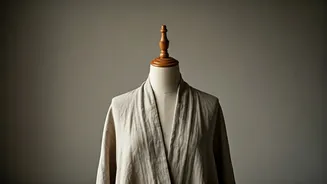
The push for comfortable workwear does not equate to sacrificing style or professionalism. Quite the contrary. Modern workwear trends reflect a growing appreciation for versatile pieces that blend comfort, function, and style. Designers are creating clothing that easily transitions between the office, casual outings, and other activities. This includes items such as tailored joggers, knit blazers, and versatile separates that can be mixed and matched. These options provide a blend of comfort and style. The emphasis on versatile workwear encourages people to experiment with different looks. This is accomplished by fostering individual expression. Individuals can curate work wardrobes. The wardrobes can reflect their taste and values, while also adhering to professional standards. The trend proves that comfort and style can harmoniously coexist.
Fabric Innovations and Tech
The technological advancements in textiles have been vital to the comfort-focused evolution of workwear. Fabrics such as moisture-wicking materials, stretch fabrics, and breathable weaves are now commonplace. These fabrics enhance comfort and support a range of activities. These innovations have opened the door for garments that are not only comfortable but also functional. Modern workwear items can feature performance-enhancing properties. This could be anything from temperature regulation to wrinkle resistance. These features have changed workwear preferences. The integration of technology in workwear reflects a broader trend. This is the integration of innovation into daily life. It also supports employee well-being. By combining comfort, function, and style, the evolution of workwear is constantly being shaped by technological advancements and shifting needs.
The Future of Workwear
As we advance, the future of workwear is expected to be defined by continued innovation and a growing emphasis on well-being and personalization. Trends suggest a continued shift towards more relaxed and adaptable styles. This is influenced by factors such as flexible work arrangements, technological advancements, and shifting cultural norms. Workwear will continue to integrate advanced materials and design features. It will meet the needs of a diverse workforce. There will be a greater emphasis on inclusive sizing, sustainable practices, and ethical production. Individuals will be able to customize their workwear. They can do this to fit their body types, preferences, and personal styles. Workwear will continue to reflect a focus on individual well-being and a commitment to creating positive and productive work environments.