



The Lemon Lie
Many people reach for lemon juice to combat dark spots, believing its natural acidity offers a quick fix. However, this widely used ingredient is far too
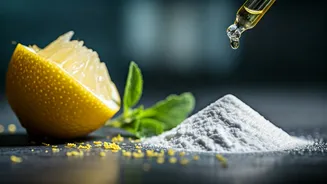
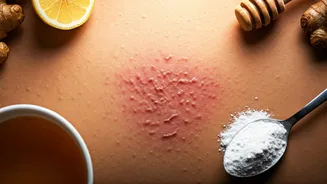
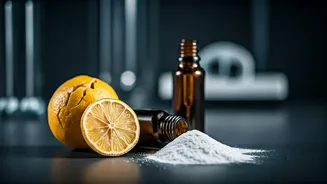
potent for direct facial application. Lemons possess a drastically low pH level, around 2, which is dangerously acidic compared to the skin's natural pH of approximately 5. Applying lemon juice can lead to a chemical burn, damaging the skin's protective barrier. Furthermore, lemons contain compounds known as psoralens, which, when exposed to sunlight after application, can trigger phytophotodermatitis. This condition results in severe blistering and inflammation, and on darker skin tones, it can leave behind persistent hyperpigmentation that is difficult to treat, contradicting the desired brightening effect.
Essential Oils' Peril
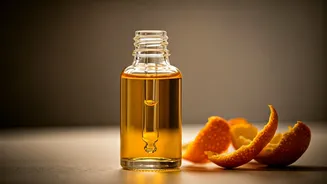
The allure of essential oils, with their pleasant scents and natural origins, often leads to their overuse in skincare. While concentrated plant extracts, they are highly volatile and potent chemicals. The assumption that their pleasant aroma equates to safety is a dangerous misconception. Dermatologists frequently encounter cases of allergic contact dermatitis stemming from the direct application of undiluted essential oils like tea tree or lavender. Compounds found in these oils can cause significant sensitization over time, leading the immune system to react severely. This can manifest as intense itching, weeping rashes, and long-term skin sensitivity. It’s crucial to remember that 'natural' substances, like poison ivy, can also be harmful.
Kitchen Concoctions' Risk
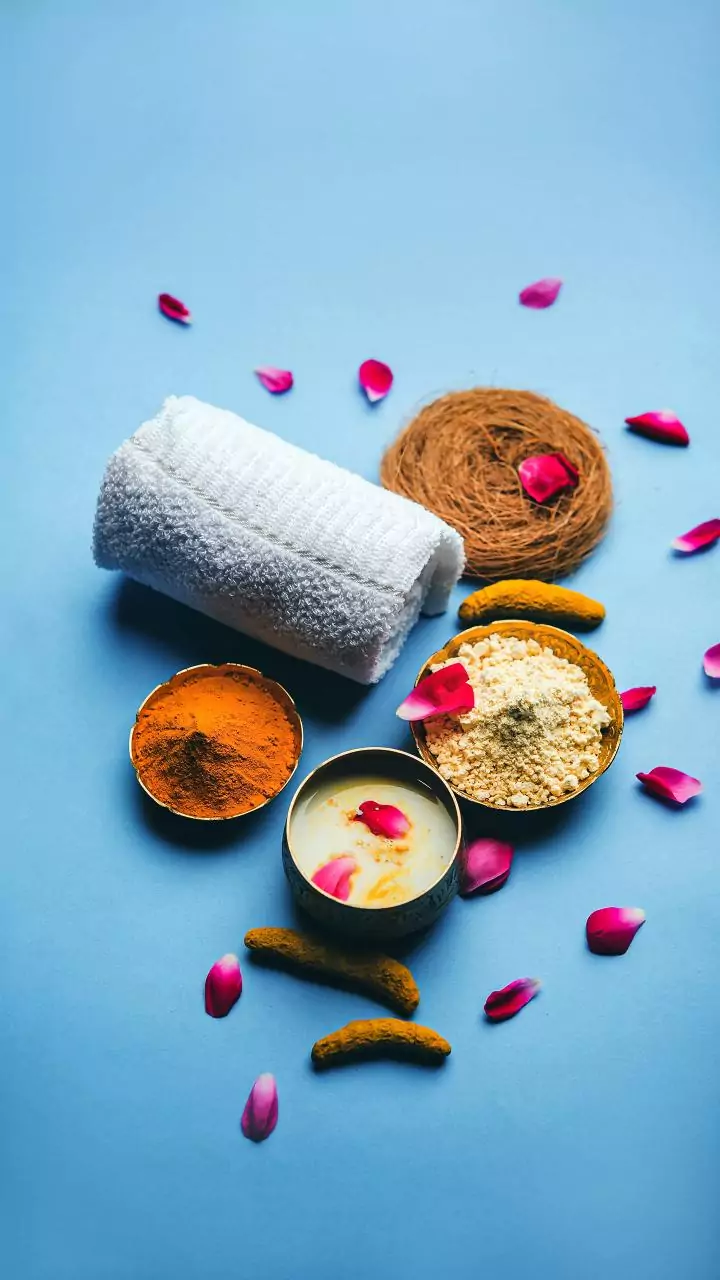
Creating fresh skincare mixtures at home, such as using egg whites for pore tightening or blended oats, poses a significant microbial risk. Commercial skincare products rely on preservatives to prevent bacterial and fungal growth, a step often omitted in DIY recipes. Raw ingredients like egg whites can harbor harmful bacteria such as Salmonella, which can cause infections if applied to the skin. Similarly, homemade pastes, like oatmeal and milk mixtures, can quickly become breeding grounds for microorganisms if not used immediately. Applying spoiled or contaminated concoctions to compromised skin can lead to fungal infections and severe acne breakouts, turning a beauty attempt into a serious health concern.
The pH Problem
Baking soda, often praised as a natural exfoliator, presents a significant threat due to its extreme alkalinity. With a pH around 9, it aggressively disrupts the skin's delicate acid mantle. This crucial barrier, which maintains the skin's natural acidity, is essential for defense against bacteria and moisture loss. When the skin's pH is artificially raised by baking soda, its protective lipids are stripped away, leaving it vulnerable. This disruption not only dries out the skin but also creates an environment where acne-causing bacteria can thrive, paradoxically leading to increased oil production and chronic dryness as the skin attempts to compensate.
Exfoliation Trauma
While exfoliation is beneficial for skin health, using harsh kitchen ingredients like sugar or coffee grounds can be incredibly damaging. These substances, under microscopic examination, appear as jagged particles resembling glass shards. Aggressively scrubbing them onto the delicate facial skin causes microscopic tears across the epidermis, a process far removed from gentle exfoliation. This physical trauma leads to a rapid loss of moisture, severe dehydration, and increased vulnerability to environmental stressors. Such harsh practices can also accelerate the aging process, making it advisable to reserve granular scrubs for less sensitive areas like the elbows.