



Common Causes of Arm Pain
Many individuals have wondered if discomfort in the chest vicinity while raising their left arm could indicate a serious cardiac condition. This concern
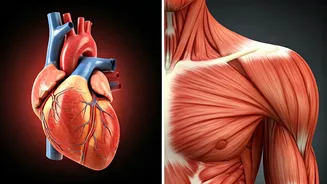
is understandable, as left-sided pain is often associated with the heart. However, according to cardiology experts, the root of this pain is frequently less alarming and typically stems from musculoskeletal issues. These can include strains in the muscles, problems with the shoulder joint, or even nerve compression originating from the neck. Pain arising from these sources often presents as localized and sharp, becoming more pronounced with specific movements like arm elevation or direct pressure on the affected area. It’s important to note that such pain is generally linked to physical activity or particular body positions, and is unlikely to be related to the heart.
Distinguishing Serious Symptoms
While muscle or joint issues commonly explain pain during arm lifting, it's crucial to recognize when the symptoms might signal a more significant health concern, particularly involving the heart. The character of the pain is a key differentiator. If the sensation feels more like a pervasive pressure or a heavy discomfort rather than a fleeting, sharp twinge, it warrants closer attention. In such instances, the pain could be indicative of angina, a condition requiring immediate medical assessment by a cardiologist. Furthermore, if this feeling of pressure or heaviness is accompanied by other alarming symptoms such as breathlessness or profuse sweating, it strengthens the possibility of a cardiac event like angina or even a myocardial infarction. Prompt medical evaluation is essential when these accompanying signs are present, as early detection and intervention are vital for managing heart conditions.
Warning Signs to Heed
Understanding how to differentiate between everyday aches and critical cardiac indicators is paramount for your well-being. Heart-related pain often feels distinct from muscular pain; it tends to be perceived as a deeper discomfort, possibly a tightness or pressure, and can radiate outwards. This type of cardiac pain might spread to your left arm, jaw, or back, and is frequently accompanied by other symptoms like nausea or shortness of breath. Conversely, muscle-related pain is typically easier to pinpoint and is directly triggered by movement. Experts emphasize that certain severe warning signs should never be overlooked. These include intense chest pressure or tightness, pain that radiates to the arm, jaw, or back, and symptoms like breathlessness or sweating. Additionally, seeking urgent medical care is advised if you experience dizziness, fainting spells, nausea, or a sudden, unexplained feeling of weakness. Recognizing these signals promptly can be life-saving.